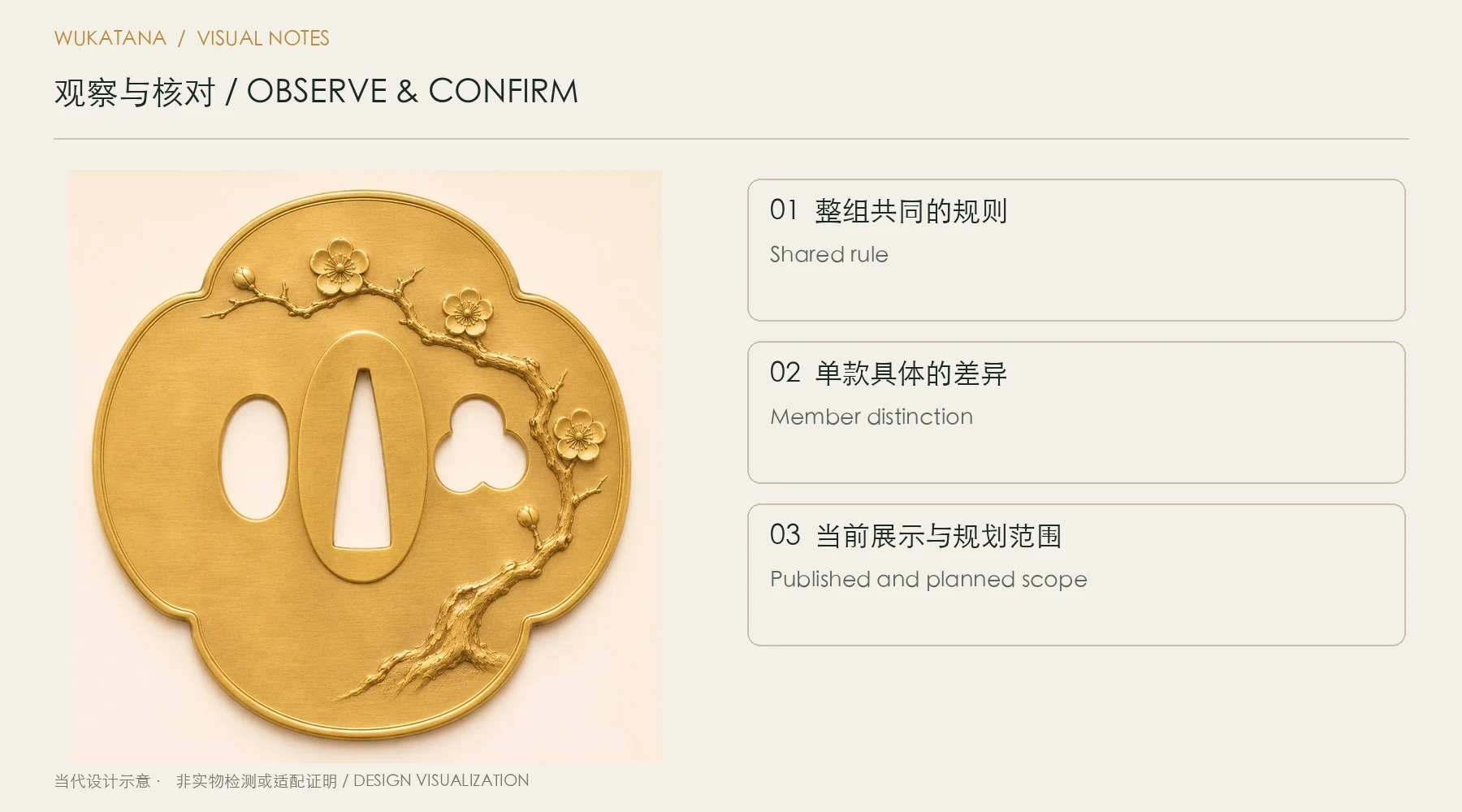
Shared Rules for Flowering Branches And Scattered Blossoms in Three Winter Companions
To examine flowering branches and scattered blossoms, begin with specific designs rather than a general style label. This article focuses on collection reading, using Three Winter Companions · Winter Plum and Three Winter Companions · Winter Pine to distinguish visible clues from the information that needs a separate check.
Define the question for this comparison
A themed collection needs to answer two questions at once: which rules make its members related, and which changes allow each to stand alone? Material, outline, and decorative scale can provide the shared foundation, while pose, direction, and open space give individual members distinct expressions.
A flowering-branch subject can focus on the direction of its branches or the spacing of its blossoms. A clear relationship between them reduces the need to add more flowers simply to suggest richness.
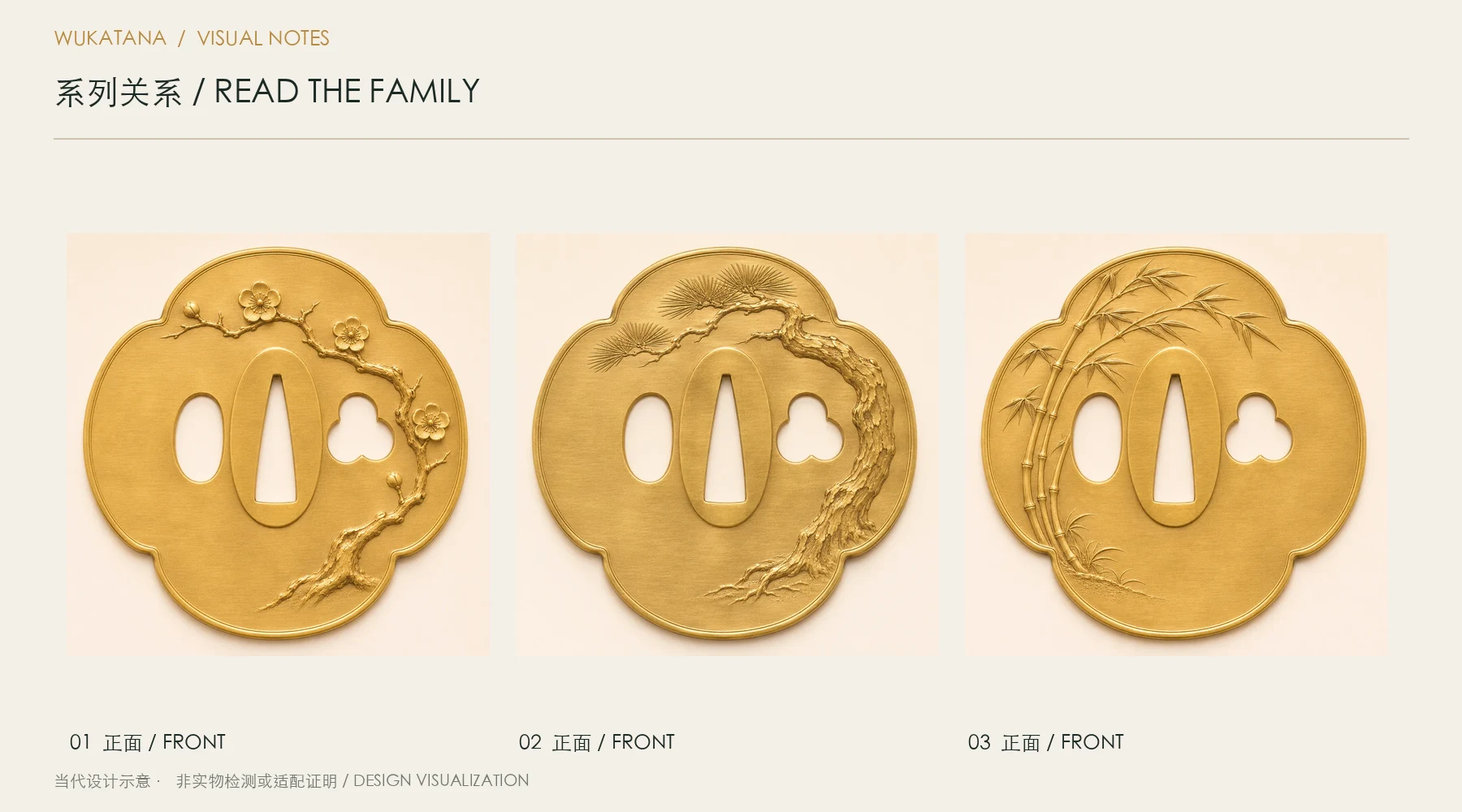
Each member has its own primary motif and a simpler reverse, while sharing the same silhouette, palette and decorative language.
First example: Three Winter Companions · Winter Plum
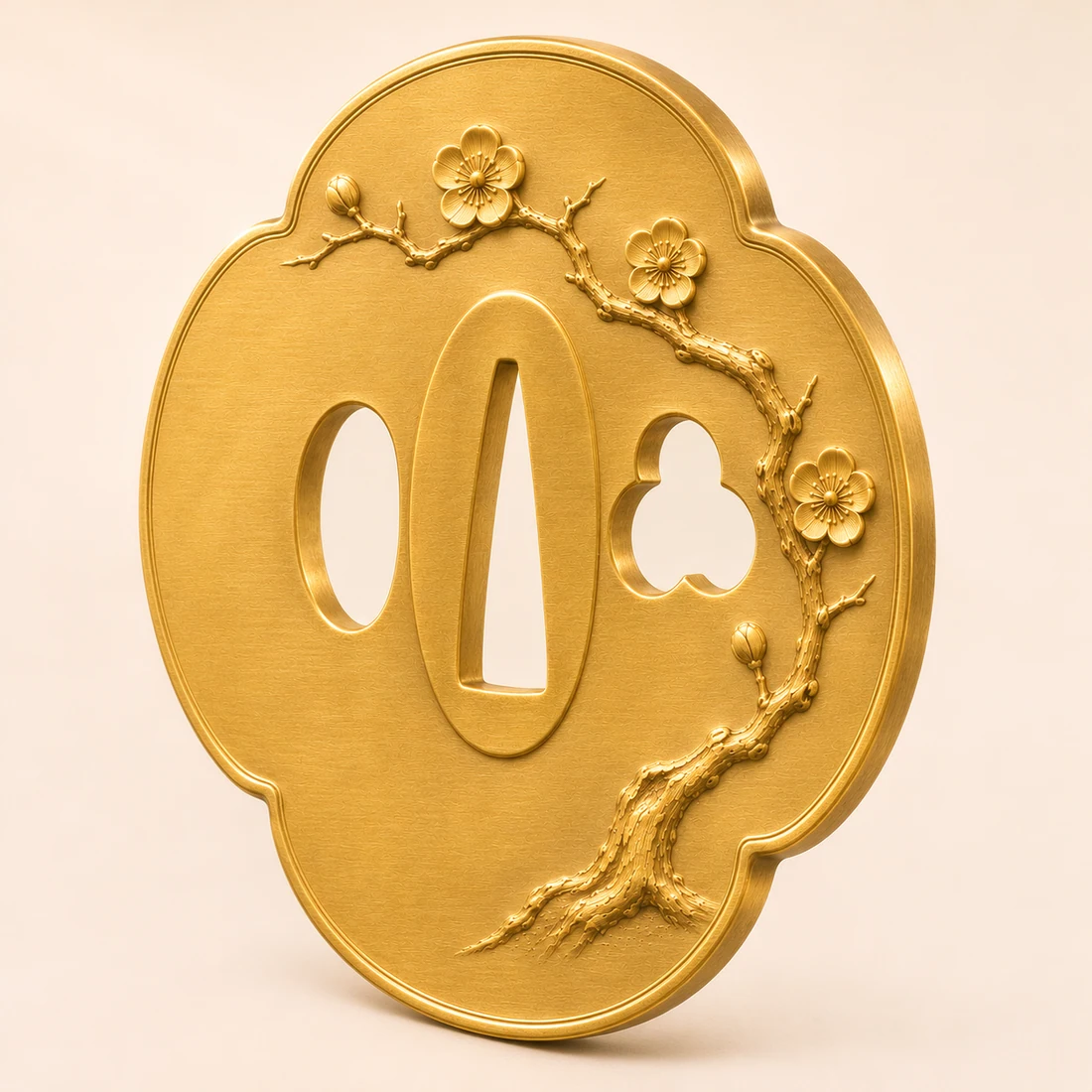
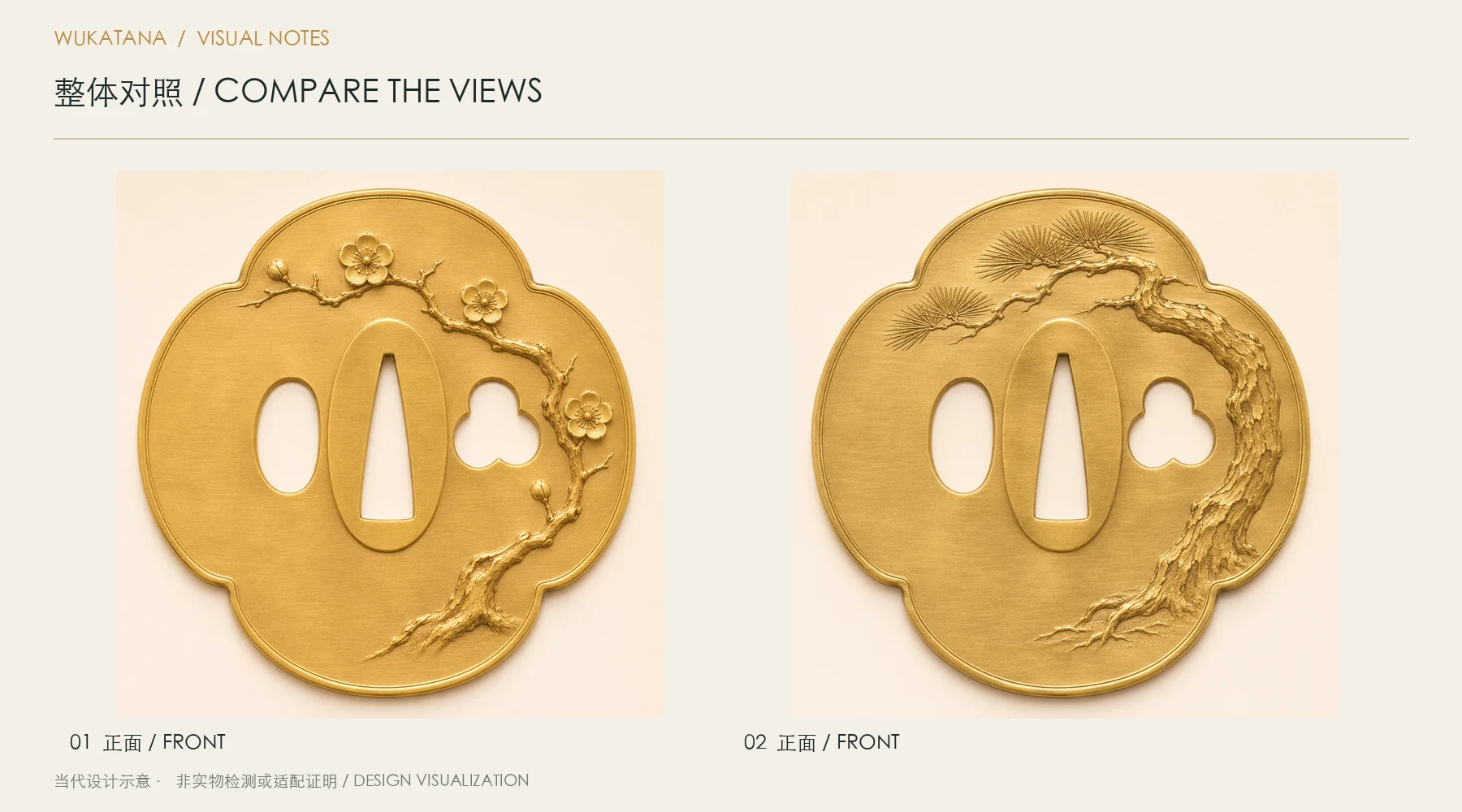
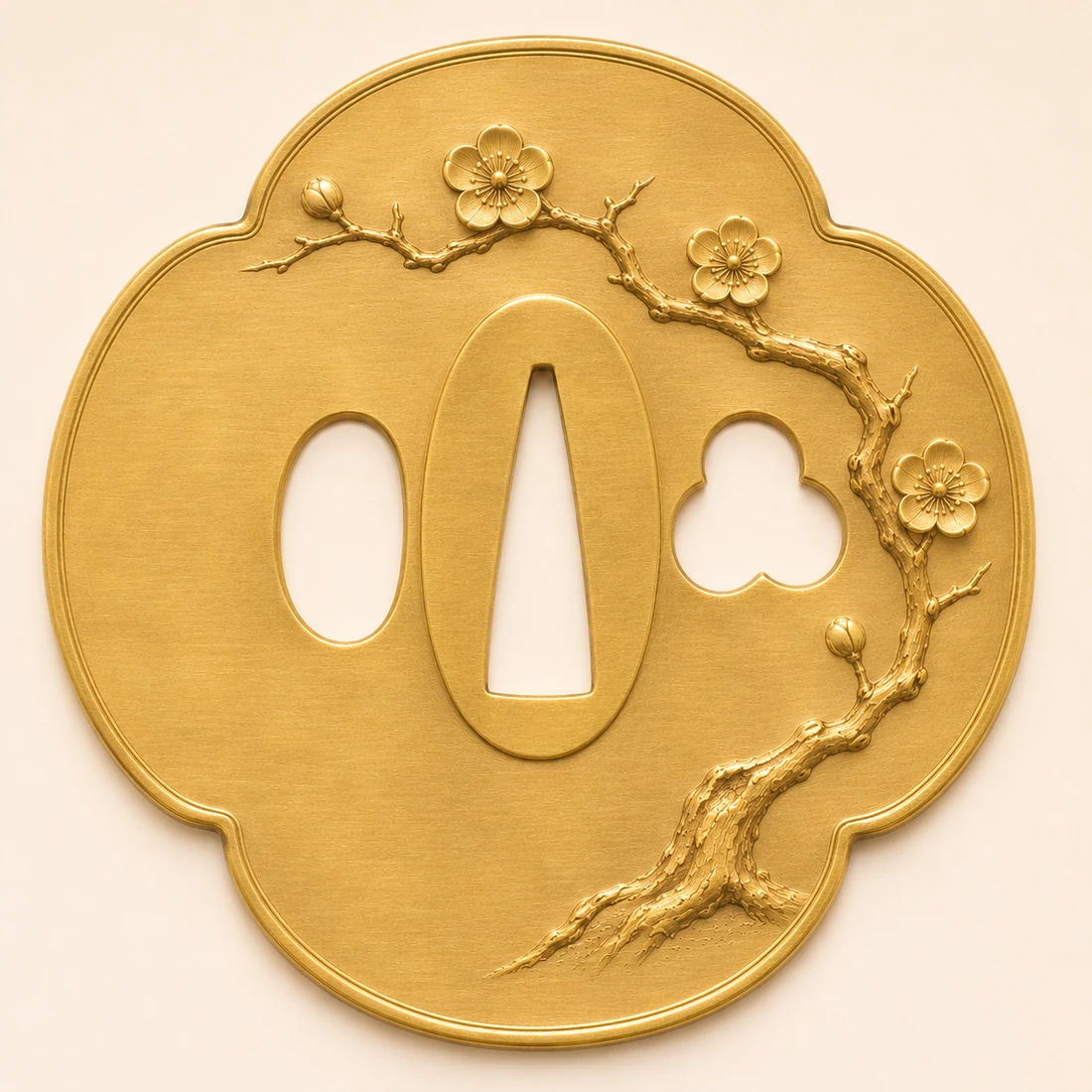
Three Winter Companions · Winter Plum is cataloged as natural brass, with four-lobed form and fine engraved lines, sculpted relief as its decorative approach.
Winter enters the pattern; branches and leaves find a voice. Three Winter Companions · Winter Plum uses natural brass. A plum branch turns from the lower right toward the upper left, with small blossoms and buds creating a sparse rhythm.
Place this member back within its collection and consider whether it offers a quieter interval or a stronger focal moment. That reading should come from its relationship with the other members, not from applying the same descriptive adjectives to every design in the group.
Second example: Three Winter Companions · Winter Pine
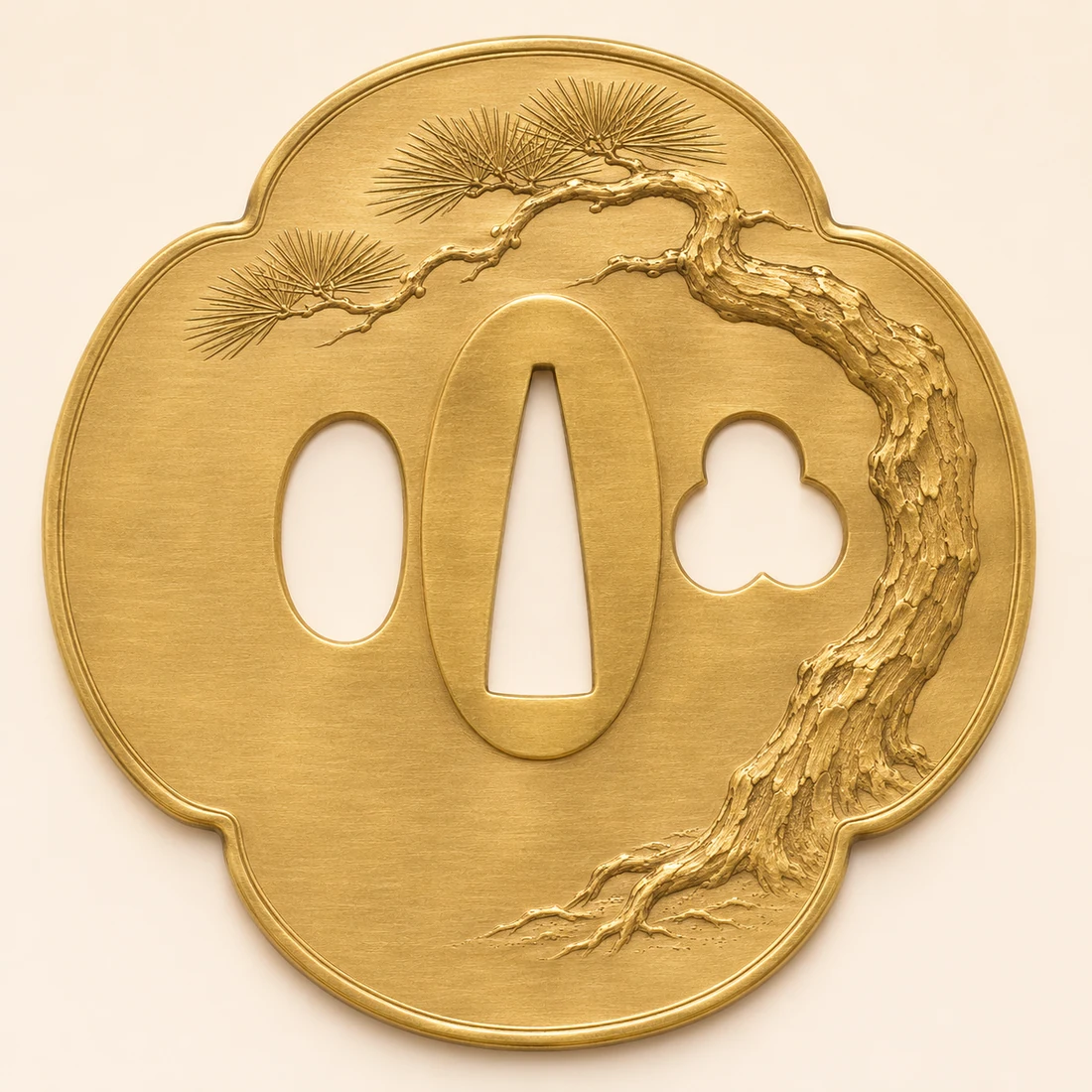
Three Winter Companions · Winter Pine is cataloged as natural brass, with four-lobed form and fine engraved lines, sculpted relief as its decorative approach.
Winter enters the pattern; branches and leaves find a voice. Three Winter Companions · Winter Pine uses natural brass. A pine rises along the right rim and bends left, its fine needles opening into quiet space.
Read Three Winter Companions · Winter Pine on its own terms before comparing it with the first example. Each design retains its cataloged material and composition. If material, outline, and subject change together, record those variables separately rather than attributing every visual difference to one factor.
Turn looking into a repeatable method
Describe the main branch direction first, then identify the principal blossom group and see how the remaining flowers support its rhythm.
Use the members actually shown on the collection page and compare them at a similar size. Identify repeated outlines and colors before comparing motif placement and density. If one design stands apart, check which shared rule has changed before assuming that more repeated decoration will make it fit.
Keep one clear outcome
For flowering branches and scattered blossoms, make the record specific to the two designs: mark the first detail you notice in Three Winter Companions · Winter Plum, then identify a corresponding observation area in Three Winter Companions · Winter Pine. Describe the shapes and relationships first, followed by the preference or question that needs to be resolved.
Summarize the shared language in one short statement, then retain one concrete distinction for each member. Let the subject determine the size of the collection, and distinguish published members from the planned total. Whether a set contains two, three, or more designs, its current scope should be easy to understand.