Reading Four Seasons in Bloom Through Seasonal Leaves And Patterned Rhythm
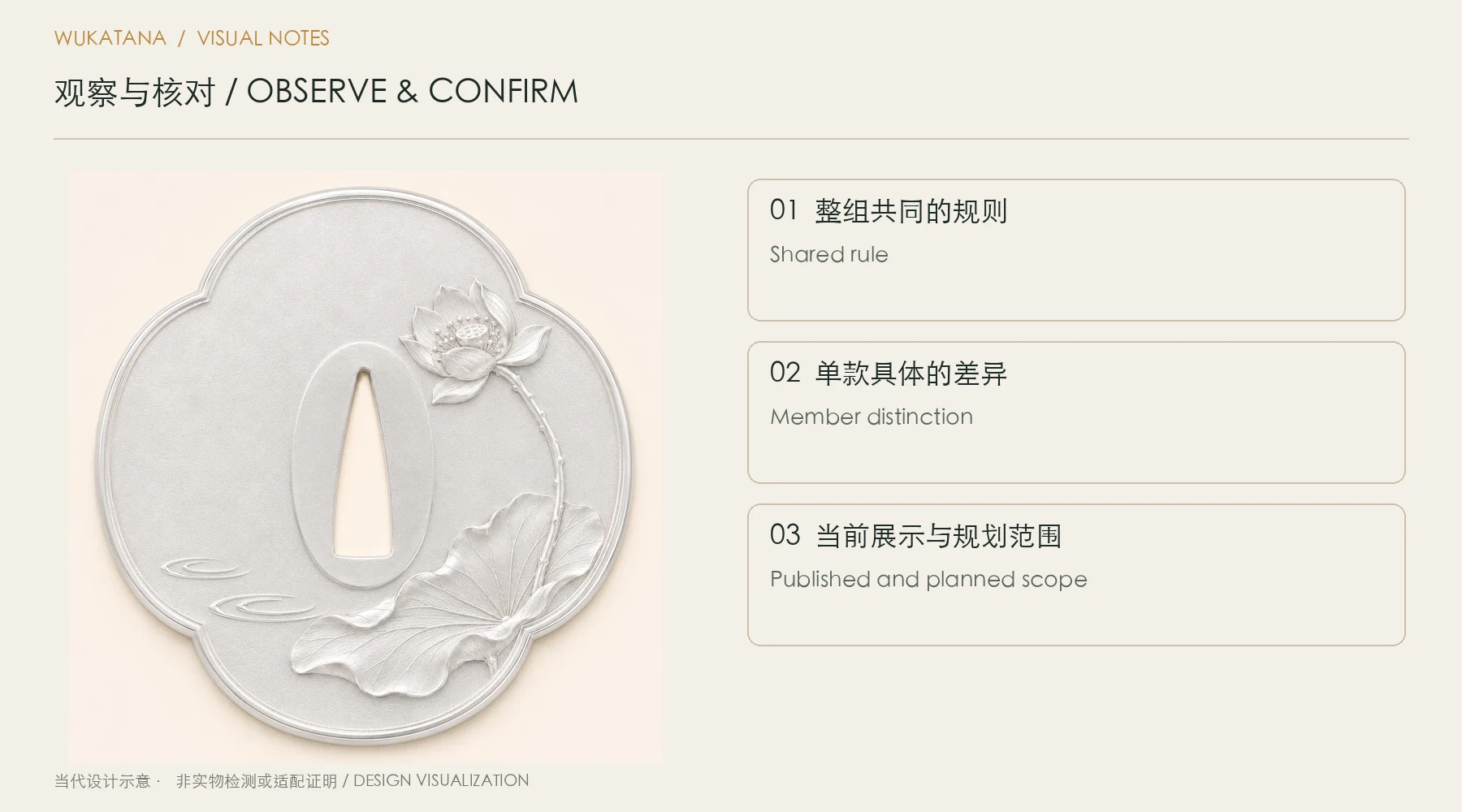
To examine seasonal leaves and patterned rhythm, begin with specific designs rather than a general style label. This article focuses on collection reading, using Four Seasons in Bloom · Summer Lotus and Four Seasons in Bloom · Spring Cherry to distinguish visible clues from the information that needs a separate check.
Define the question for this comparison
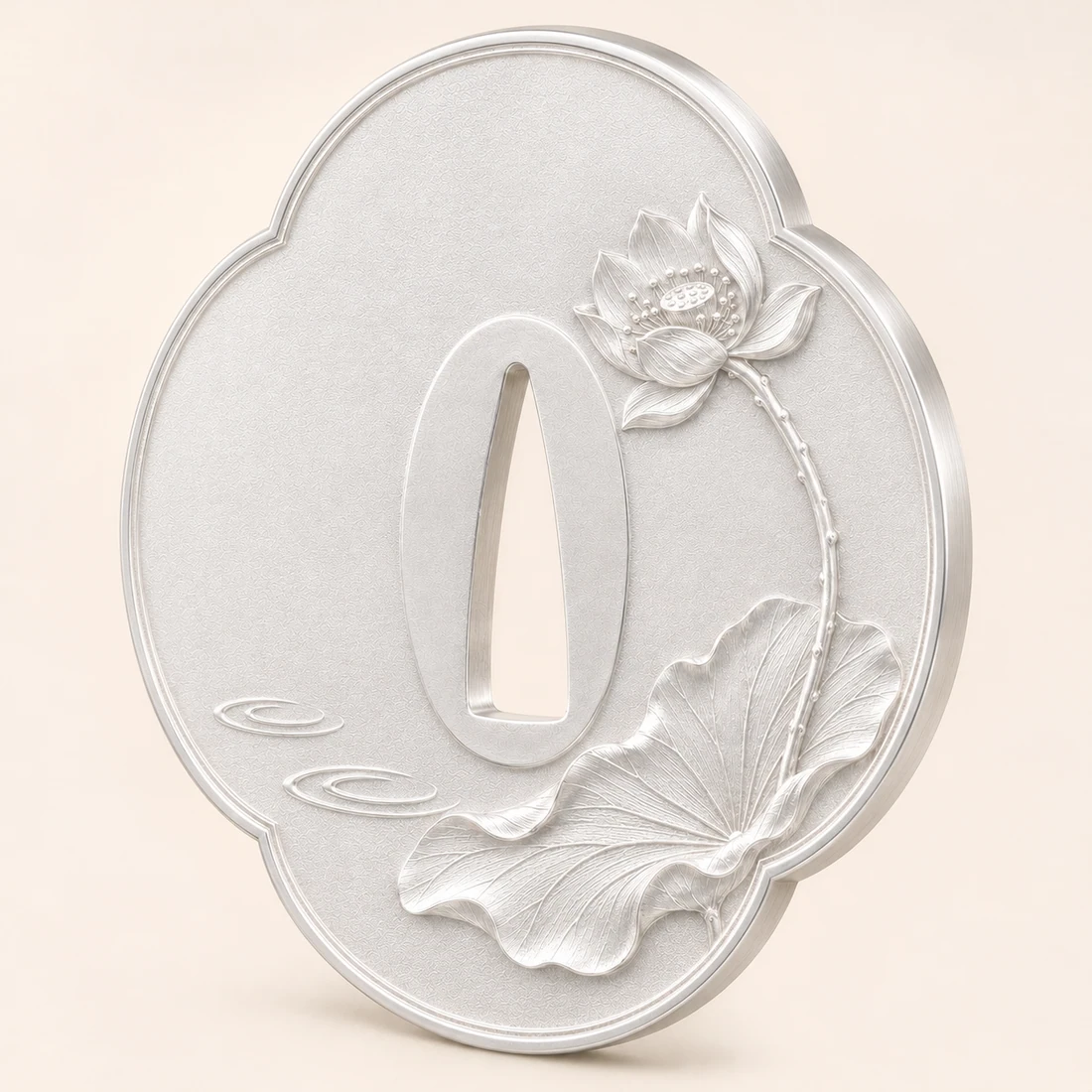
A themed collection needs to answer two questions at once: which rules make its members related, and which changes allow each to stand alone? Material, outline, and decorative scale can provide the shared foundation, while pose, direction, and open space give individual members distinct expressions.
Leaf direction, scale, and grouping explain a contemporary design more clearly than a seasonal label alone. Connect the subject name to visible shapes rather than relying on a general mood.
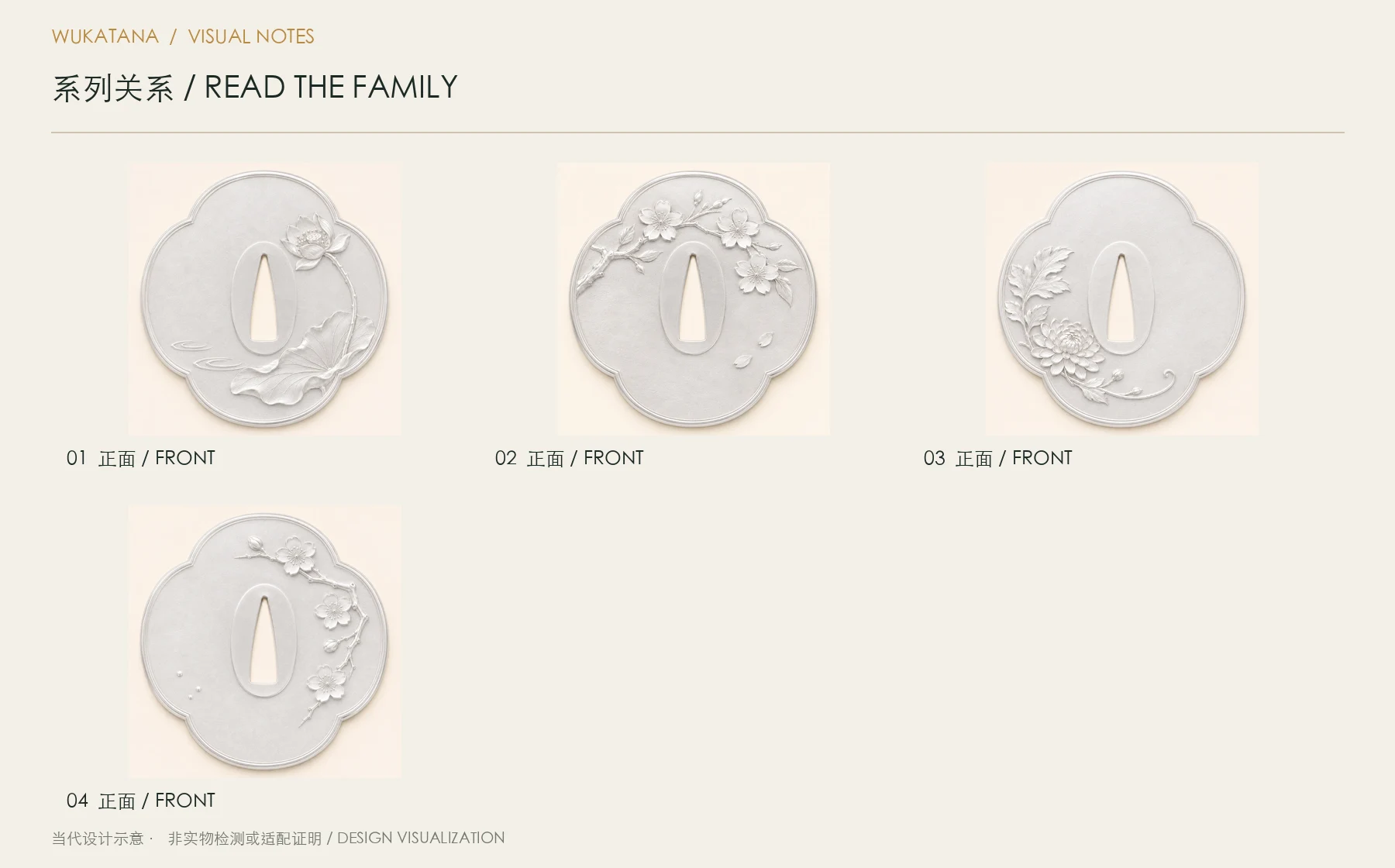
Each member has its own primary motif and a simpler reverse, while sharing the same silhouette, palette and decorative language.
First example: Four Seasons in Bloom · Summer Lotus
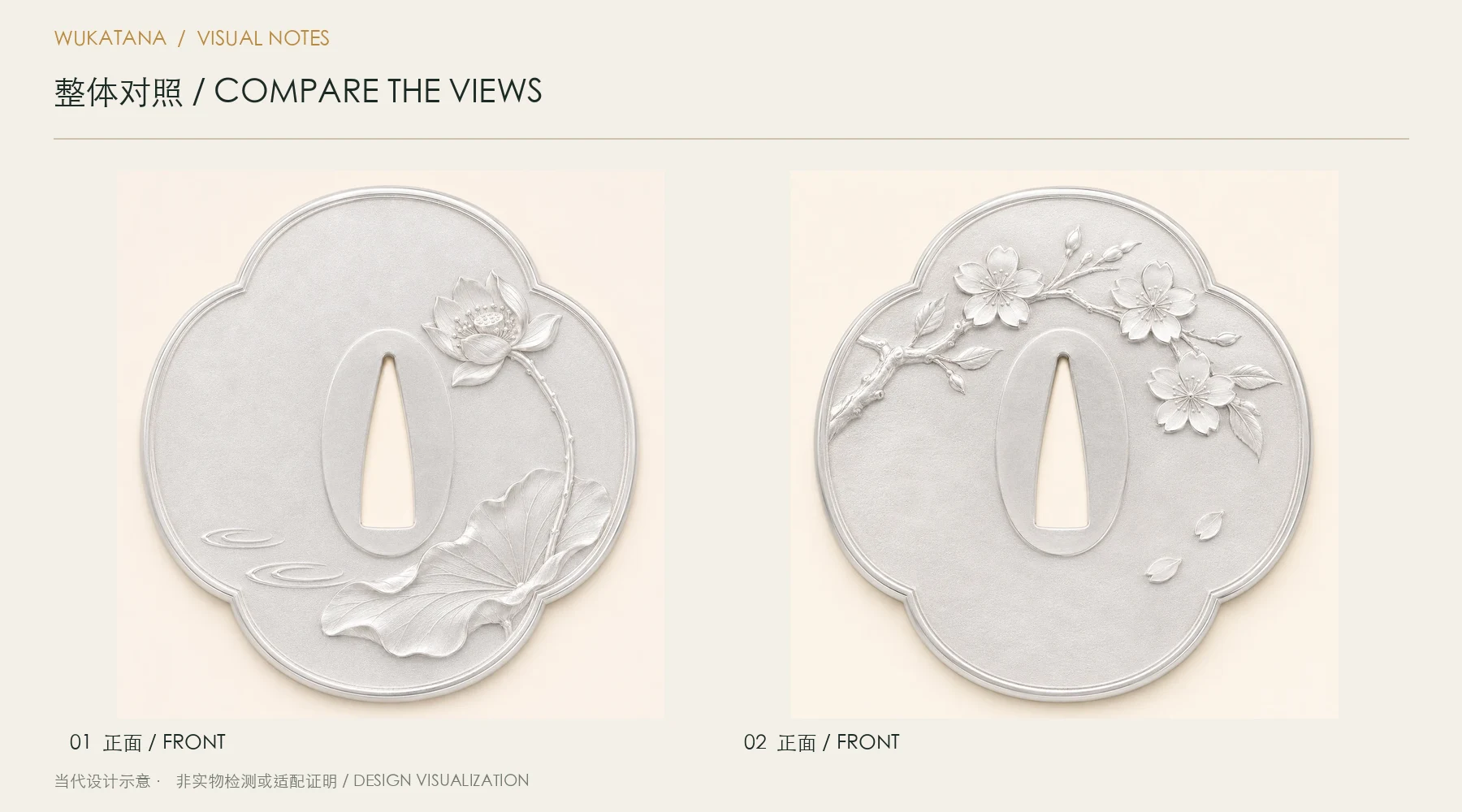
Four Seasons in Bloom · Summer Lotus is cataloged as natural white copper, with four-lobed form and fine engraved lines, sculpted relief as its decorative approach.
Flowers mark the seasons; silver-white light stays quiet. Four Seasons in Bloom · Summer Lotus uses natural white copper. A lotus leaf rests at the lower right as a small bloom rises along the rim.
Place this member back within its collection and consider whether it offers a quieter interval or a stronger focal moment. That reading should come from its relationship with the other members, not from applying the same descriptive adjectives to every design in the group.
Second example: Four Seasons in Bloom · Spring Cherry
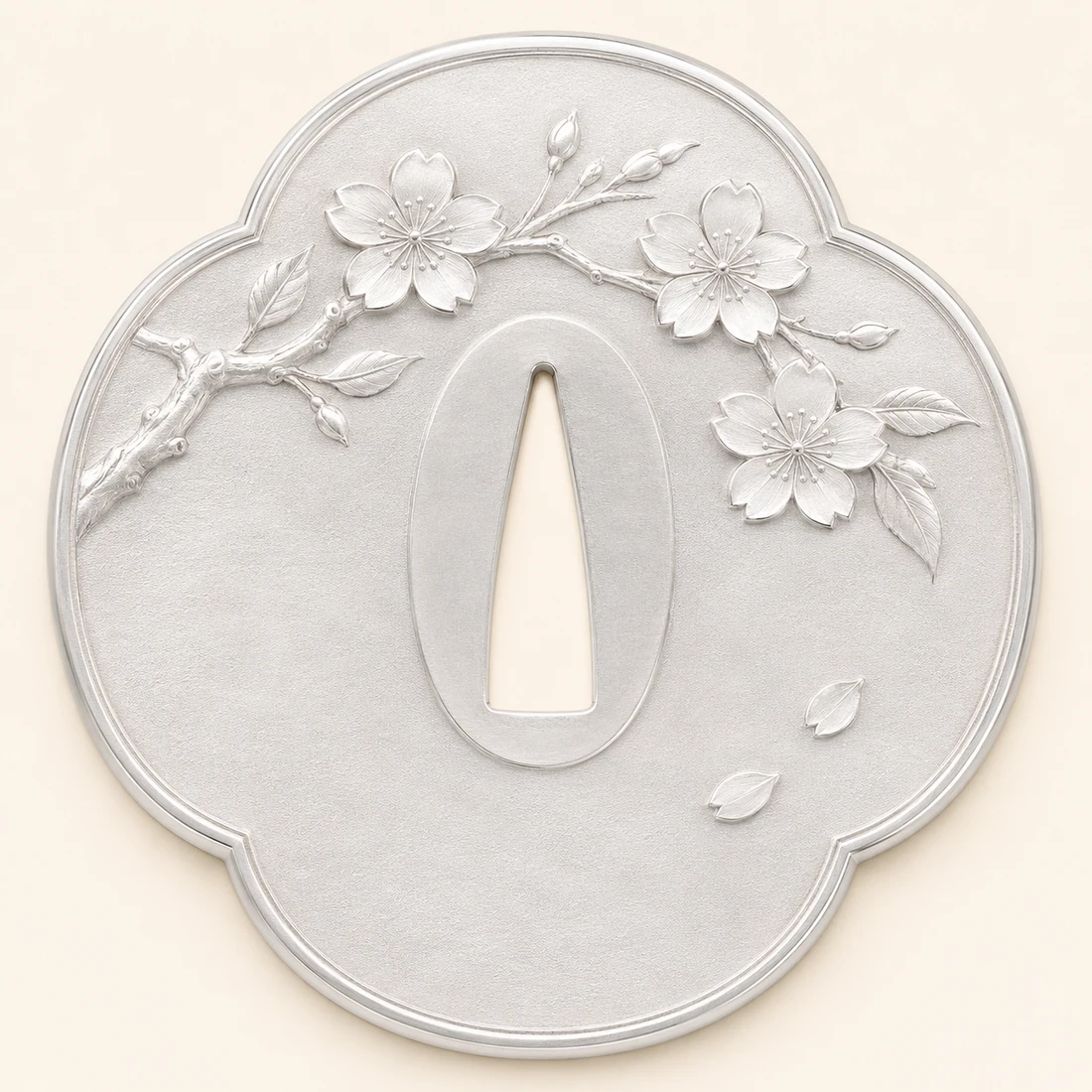
Four Seasons in Bloom · Spring Cherry is cataloged as natural white copper, with four-lobed form and fine engraved lines, sculpted relief as its decorative approach.
Flowers mark the seasons; silver-white light stays quiet. Four Seasons in Bloom · Spring Cherry uses natural white copper. A cherry branch opens from the upper left.
Read Four Seasons in Bloom · Spring Cherry on its own terms before comparing it with the first example. Each design retains its cataloged material and composition. If material, outline, and subject change together, record those variables separately rather than attributing every visual difference to one factor.
Turn looking into a repeatable method
Select three easily recognized leaves and compare their directions to see whether they establish a continuous viewing path.
Use the members actually shown on the collection page and compare them at a similar size. Identify repeated outlines and colors before comparing motif placement and density. If one design stands apart, check which shared rule has changed before assuming that more repeated decoration will make it fit.
Keep one clear outcome
For seasonal leaves and patterned rhythm, make the record specific to the two designs: mark the first detail you notice in Four Seasons in Bloom · Summer Lotus, then identify a corresponding observation area in Four Seasons in Bloom · Spring Cherry. Describe the shapes and relationships first, followed by the preference or question that needs to be resolved.
Summarize the shared language in one short statement, then retain one concrete distinction for each member. Let the subject determine the size of the collection, and distinguish published members from the planned total. Whether a set contains two, three, or more designs, its current scope should be easy to understand.