A Collection Record for Dense Ornament And Open Space
To examine dense ornament and open space, begin with specific designs rather than a general style label. This article focuses on collection documentation, using Three Cloud Realms · Cloud Gate and Eighteen Arhats · Dragon Tamer to distinguish visible clues from the information that needs a separate check.
Define the question for this comparison
A collection record should make it possible to look clearly at the same object again later. Consistent angles, configuration notes, and original image files help distinguish a photographic difference, a changed mounting, and a surface change that needs further discussion.
A densely ornamented design needs a clear hierarchy; a spare design depends more heavily on the placement of a few lines. Both approaches benefit from a focal point that can be recognized without studying every detail.
First example: Three Cloud Realms · Cloud Gate
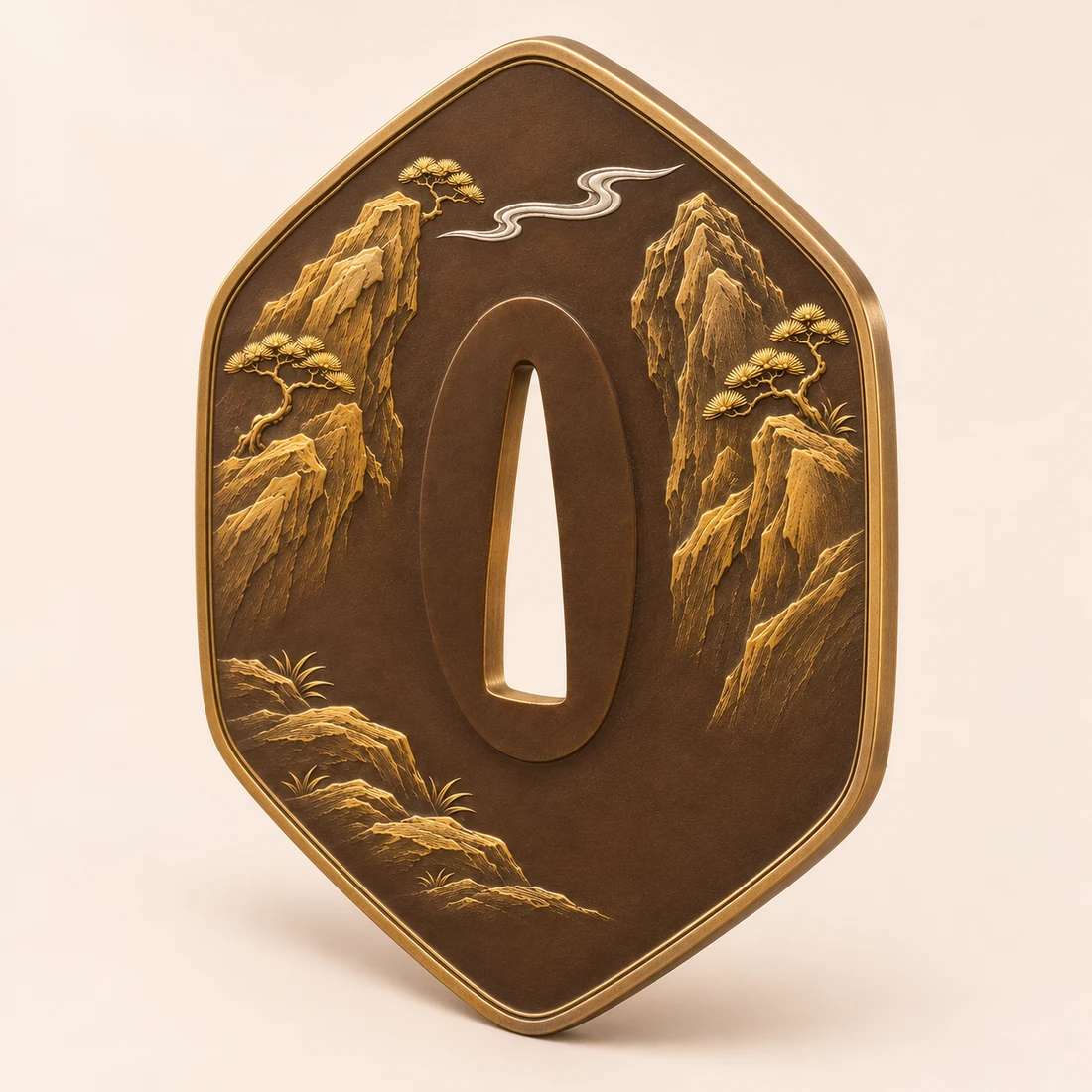
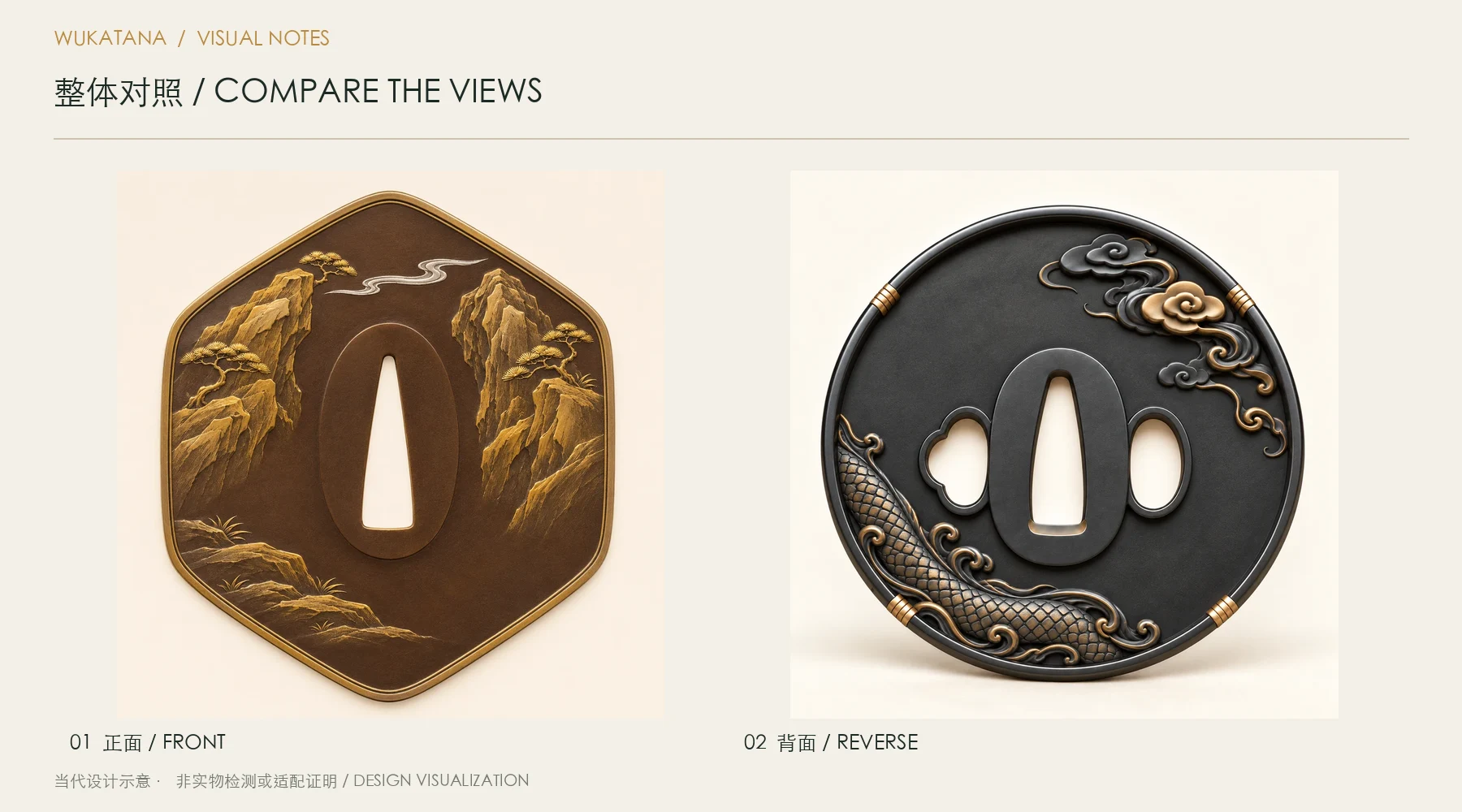
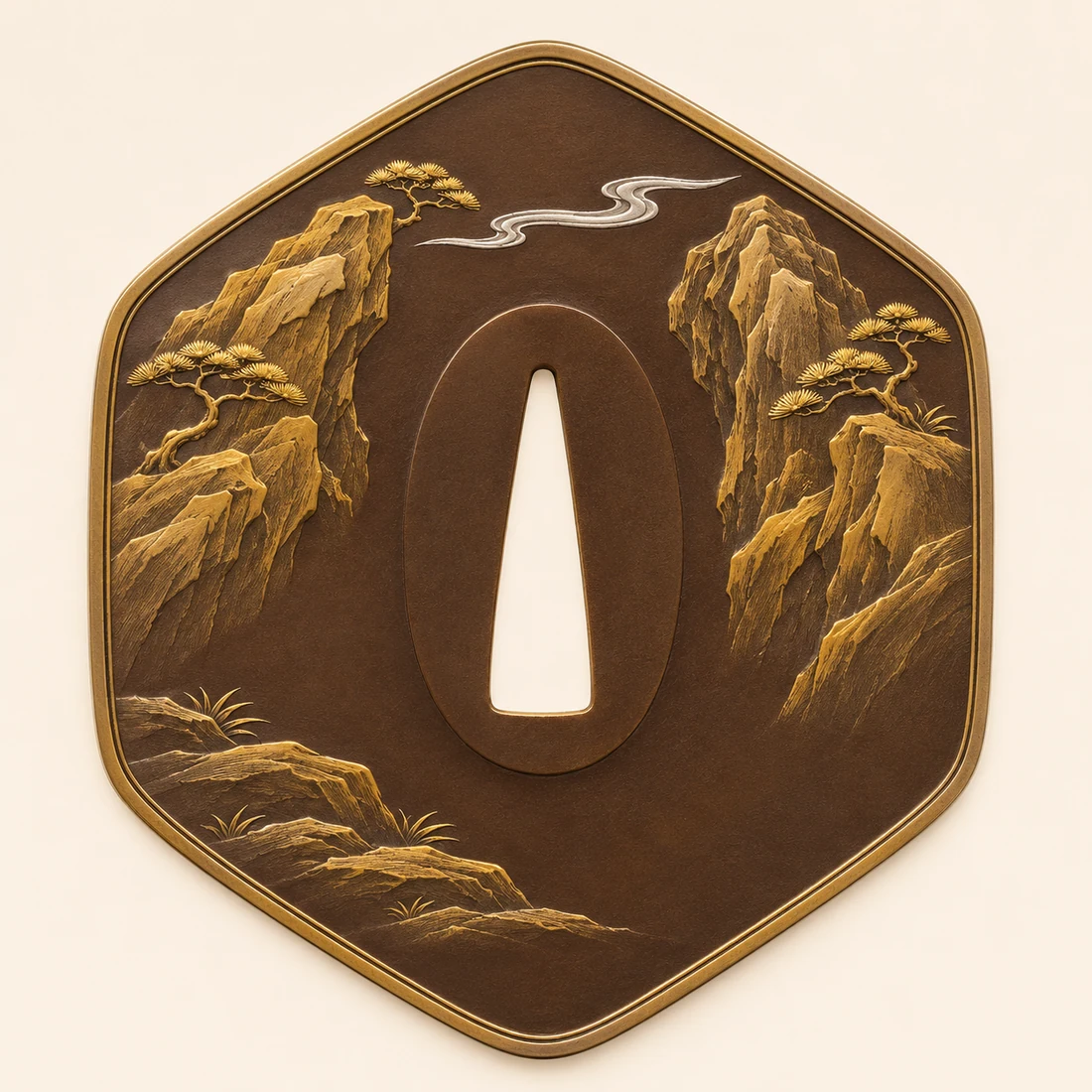
Three Cloud Realms · Cloud Gate is cataloged as colored brass, with rounded square or polygonal form and fine engraved lines, sculpted relief, restrained color contrast as its decorative approach.
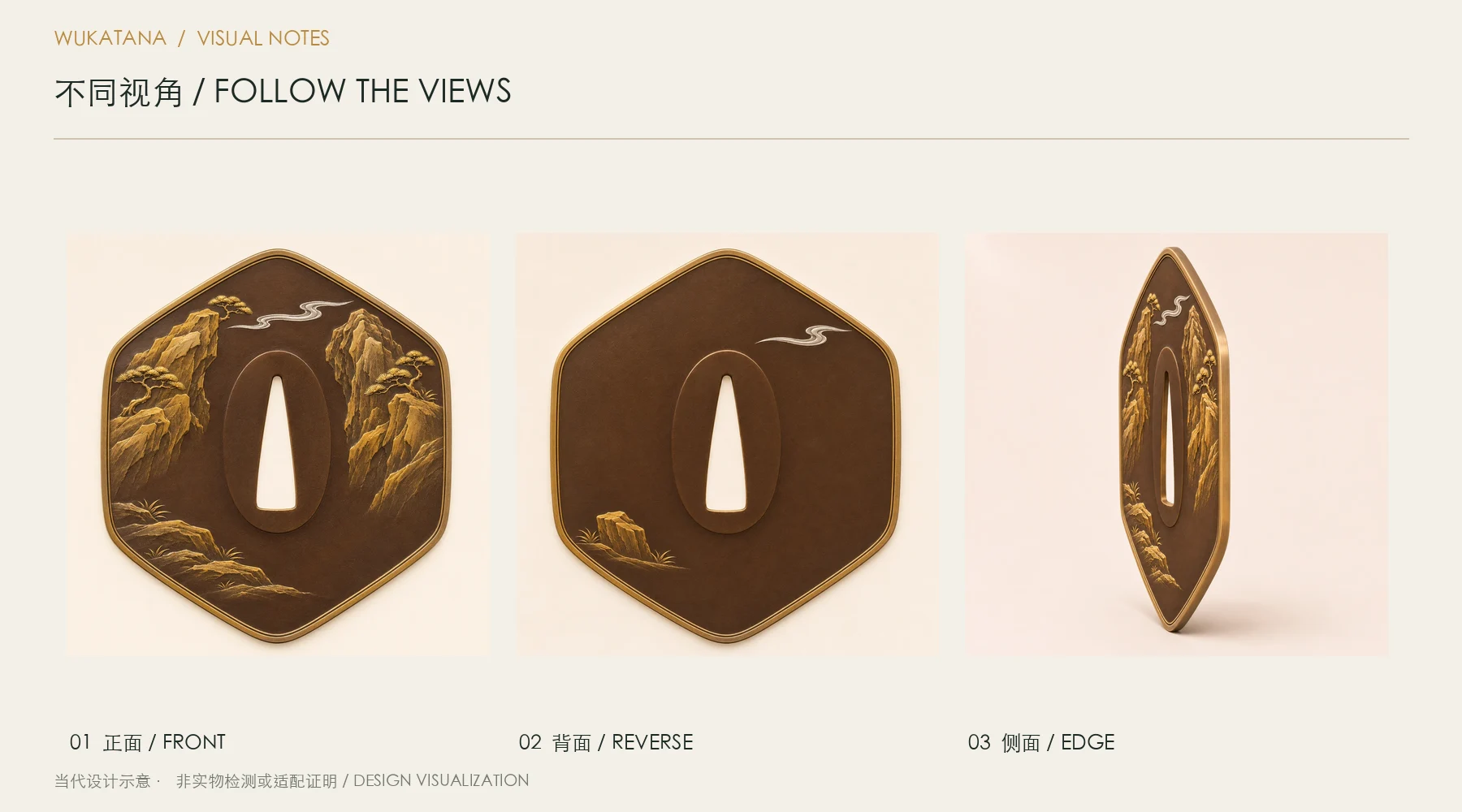
Clouds open, and each mountain becomes a world. Three Cloud Realms · Cloud Gate uses colored brass. Two rocky pillars stand apart along the upper field, connected by sparse cloud.
Use the front of this design as its identification view, with separate reverse, edge, and overall-mounting records. Keep photographs of different objects distinct so a difference between two designs is not mistaken for a change that happened to one object over time.
Second example: Eighteen Arhats · Dragon Tamer
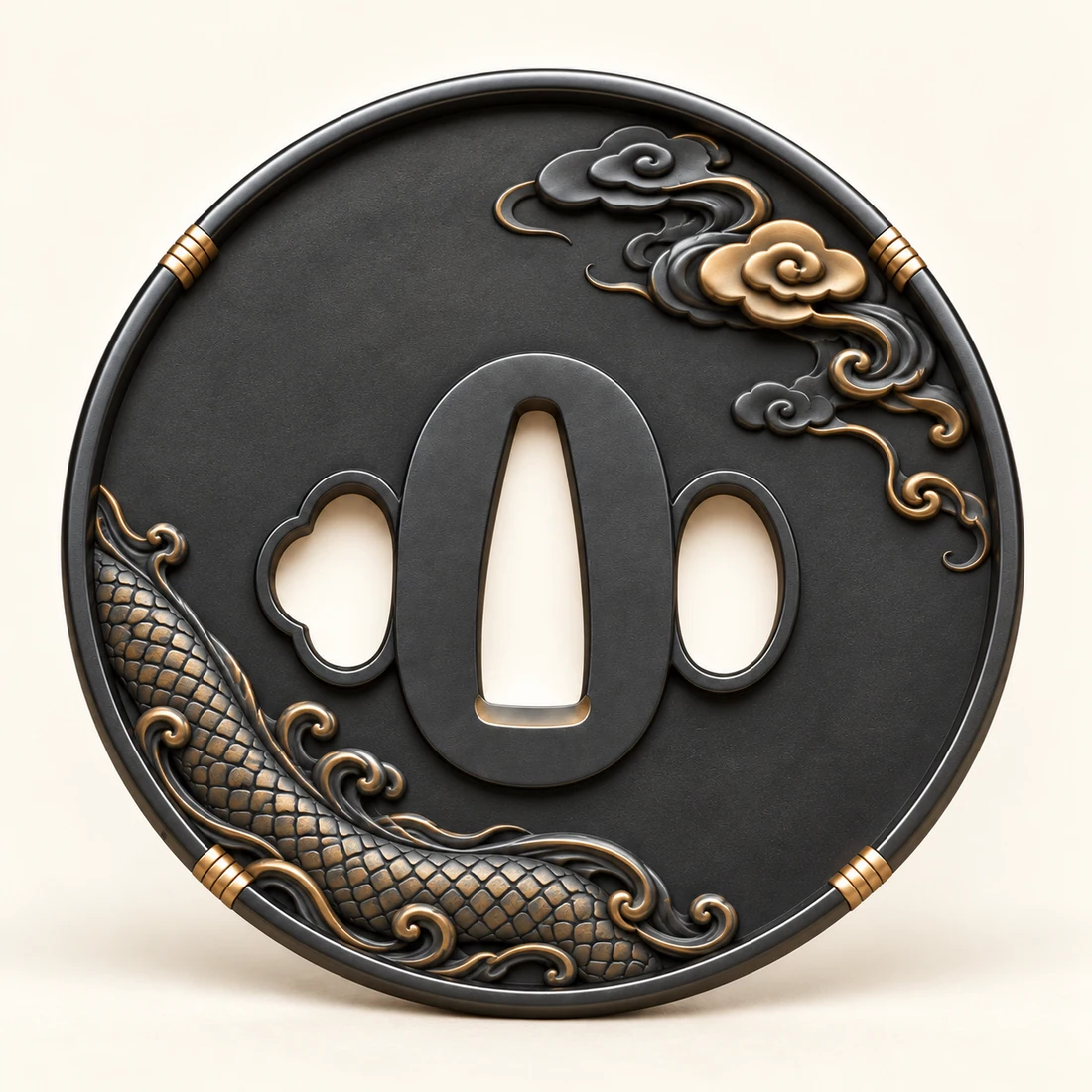
Eighteen Arhats · Dragon Tamer is cataloged as colored brass, with round or oval form and sculpted relief, restrained color contrast as its decorative approach.
Eighteen Arhats · Dragon Tamer develops its story through gesture and a distinctive motif. A seated arhat and a curling dragon form a diagonal relationship, with clouds following the rim. Within the round outline, graphite-black colored brass sets off the robe folds, with restrained warm-brass-colored accents tracing the ornament.
Read Eighteen Arhats · Dragon Tamer on its own terms before comparing it with the first example. Each design retains its cataloged material and composition. If material, outline, and subject change together, record those variables separately rather than attributing every visual difference to one factor.
Turn looking into a repeatable method
Start with a small image and notice where the eye lands first. Enlarge it only afterward to check whether the surrounding space supports that focal point.
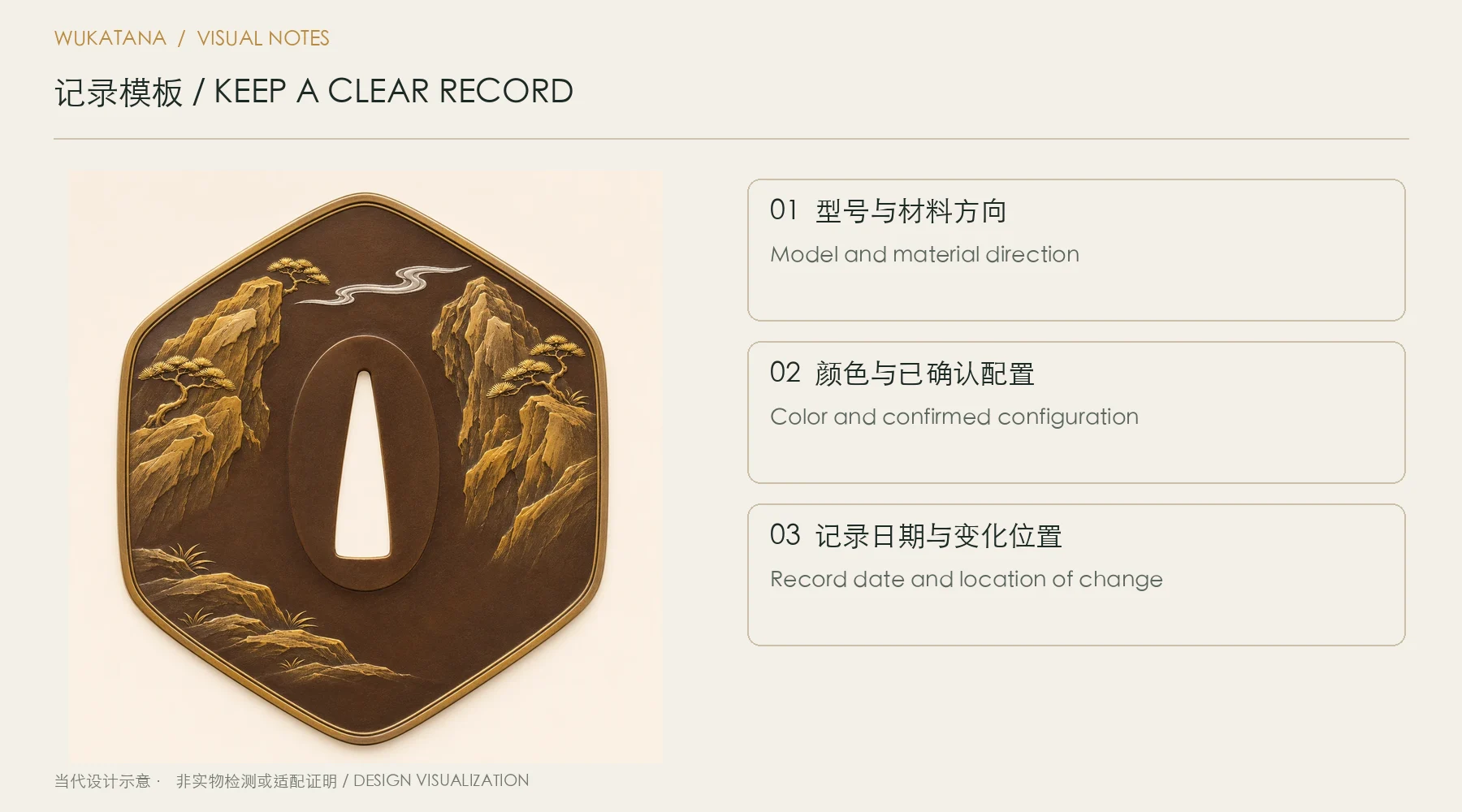
Keep the object stable and repeat the photograph with a similar background, light, and camera distance. Record the date, model, material name, and confirmed configuration. If color or sheen appears to change, photograph its location first and confirm the appropriate care for that particular surface treatment.
Keep one clear outcome
For dense ornament and open space, make the record specific to the two designs: mark the first detail you notice in Three Cloud Realms · Cloud Gate, then identify a corresponding observation area in Eighteen Arhats · Dragon Tamer. Describe the shapes and relationships first, followed by the preference or question that needs to be resolved.
Keep an unretouched baseline image and a short note with the archive. Do not use abrasive polishing, strong cleaners, or metal brighteners on colored copper fittings simply to make them resemble a brighter photograph. Follow the care instructions for the particular item and finish rather than treating every metal surface in the same way.