Turning a Preference for Figure Gestures And Attributes Into Clear Order Notes
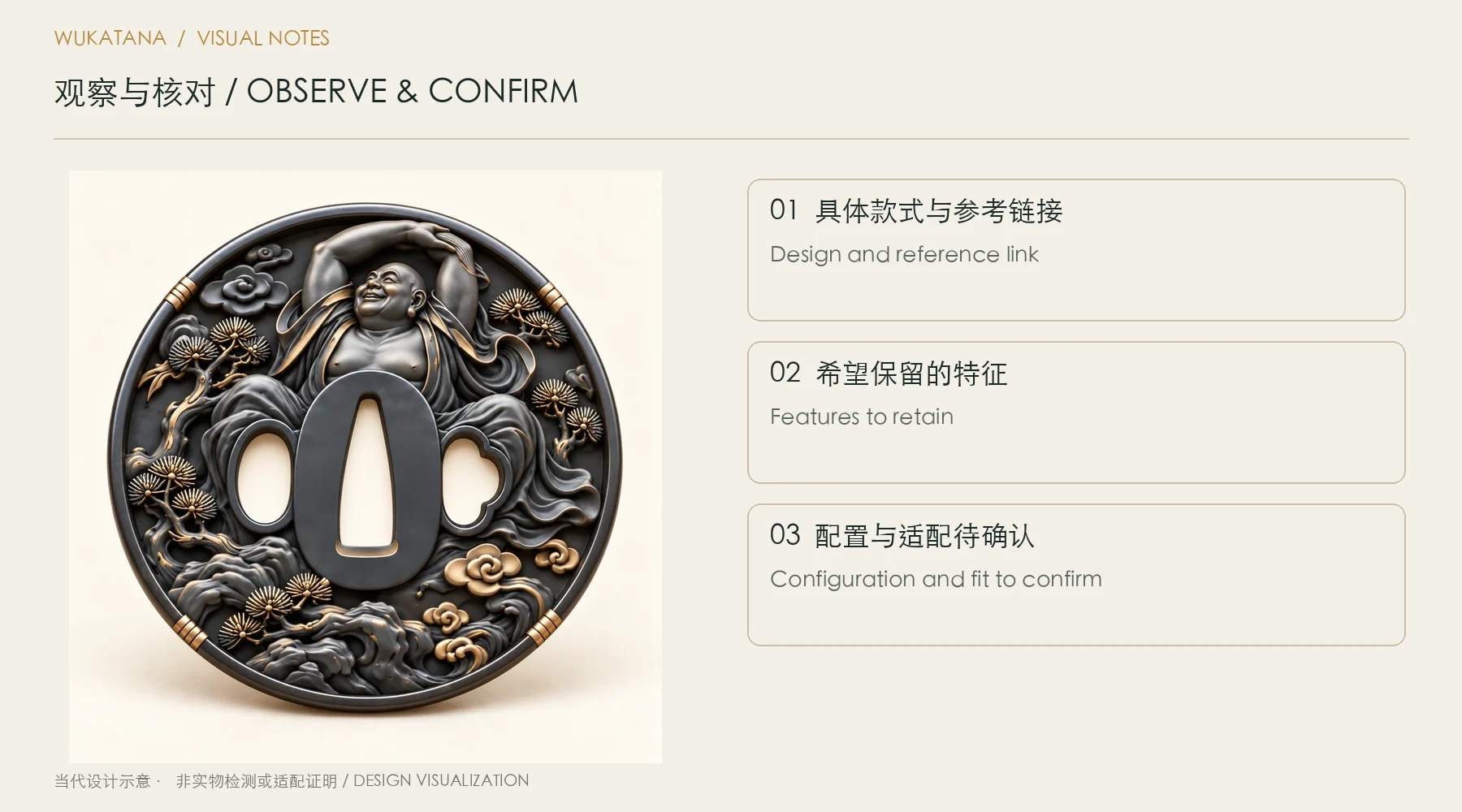
To examine figure gestures and attributes, begin with specific designs rather than a general style label. This article focuses on configuration notes, using Eighteen Arhats · Stretching Arhat and Eighteen Arhats · Deer Rider to distinguish visible clues from the information that needs a separate check.
Define the question for this comparison
A reference image communicates a visual result; an order note needs to turn that result into checkable items. Separate the features to retain, the parts that may change, and the information still missing. This gives the discussion a more useful structure than sending an image without explaining why it was selected.
Figurative subjects can establish focus through gestures, posture, and objects held. More detail in hands and faces calls for clearer layering and a restrained supporting palette.
First example: Eighteen Arhats · Stretching Arhat
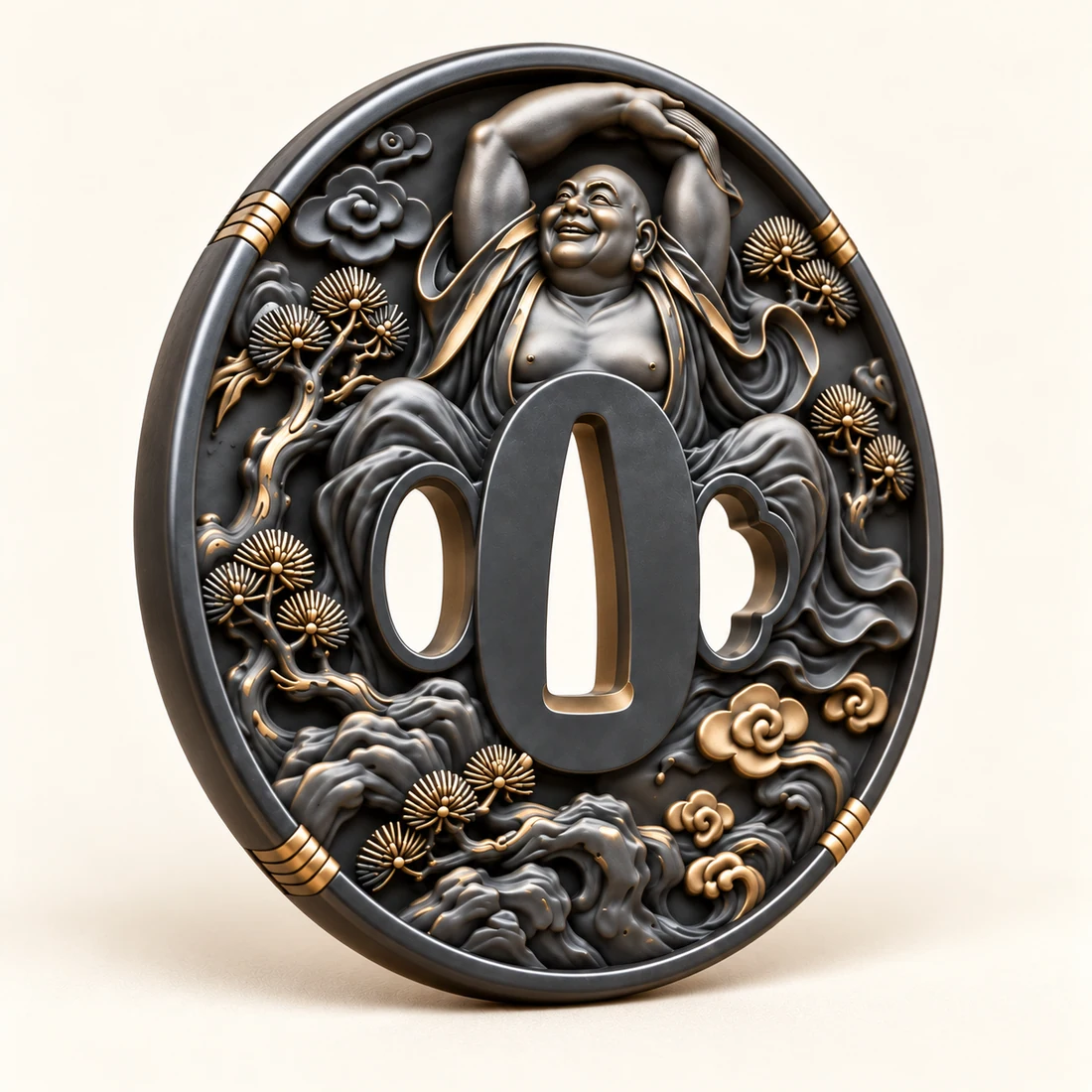
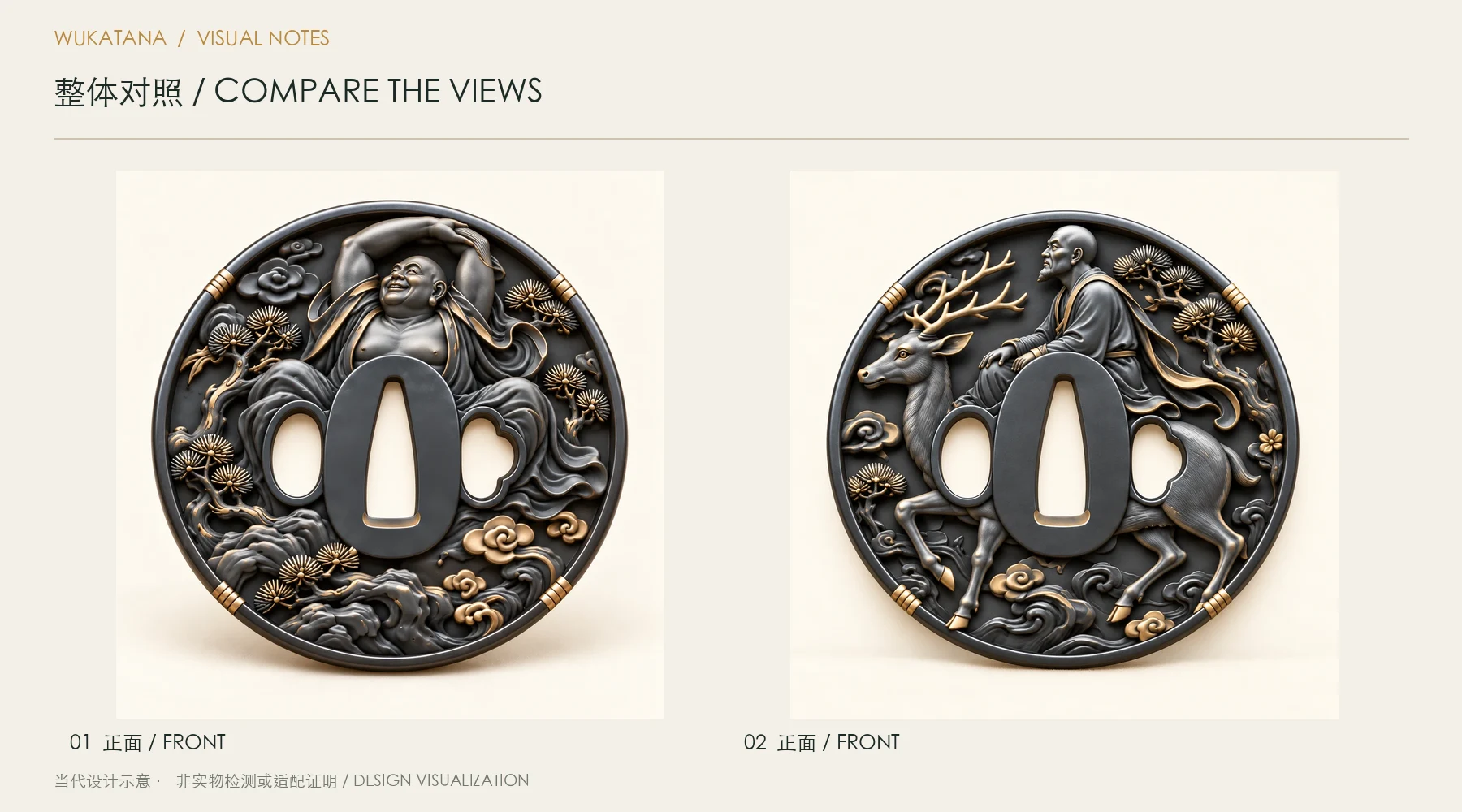
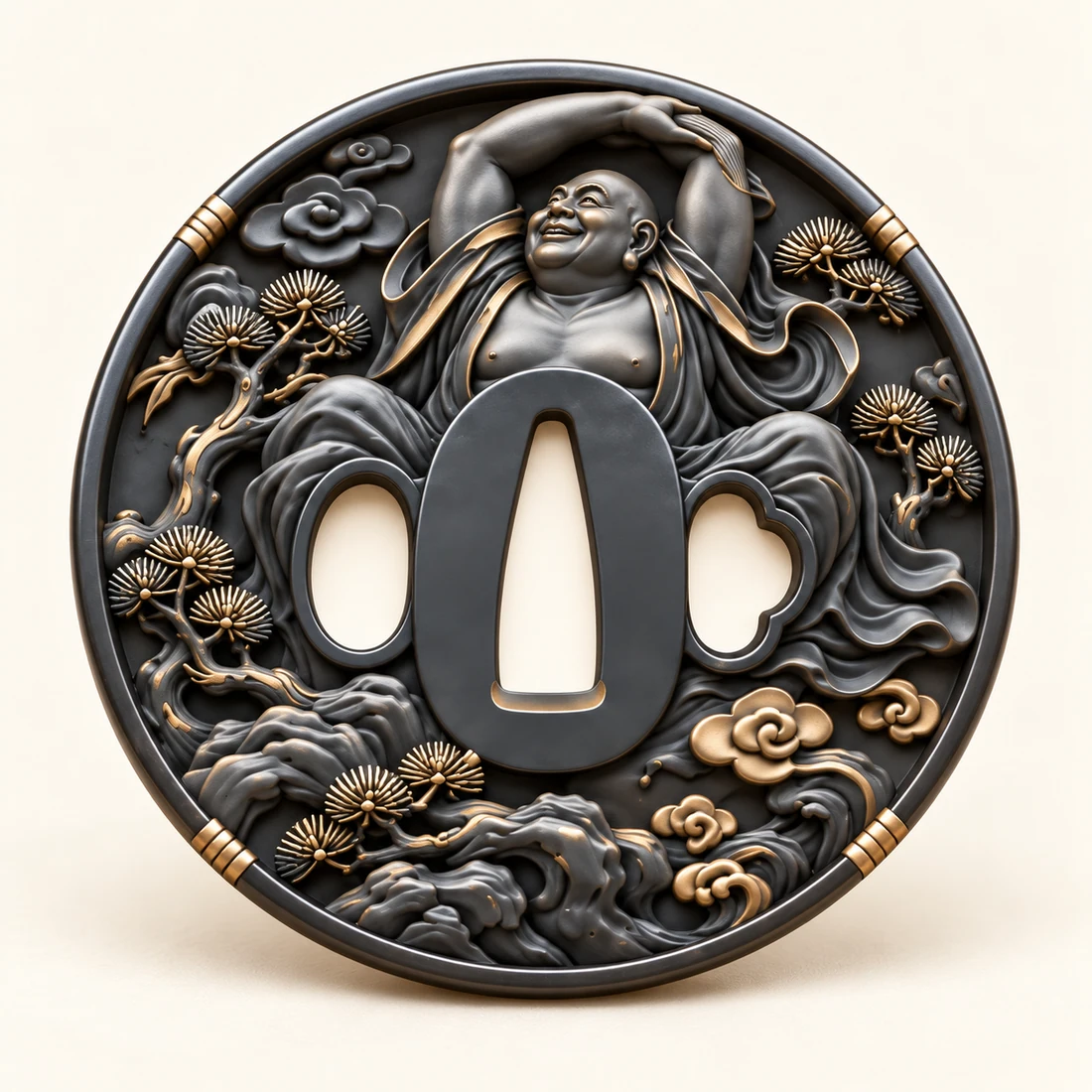
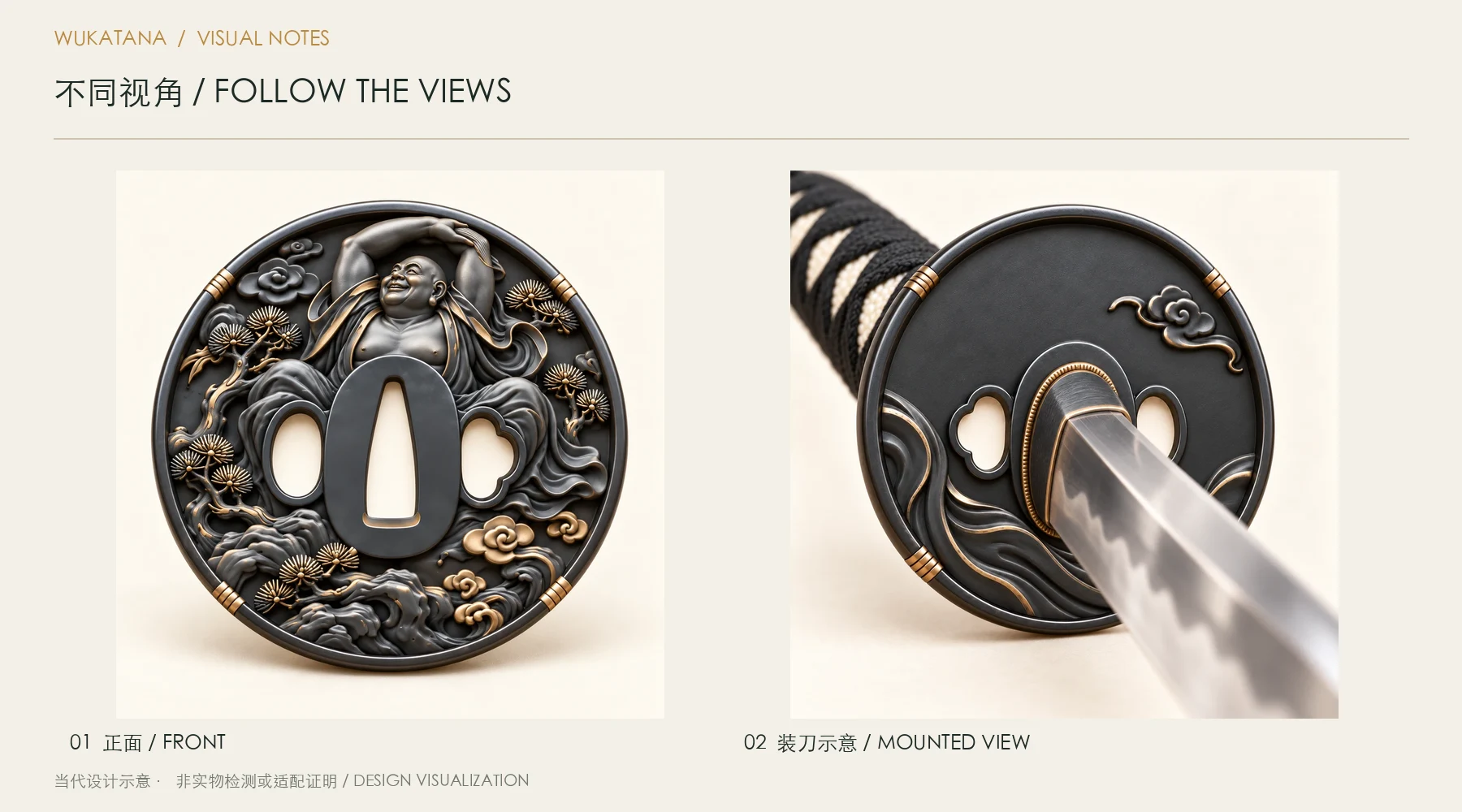
Eighteen Arhats · Stretching Arhat is cataloged as colored brass, with round or oval form and sculpted relief, restrained color contrast as its decorative approach.
Eighteen Arhats · Stretching Arhat develops its story through gesture and a distinctive motif. An arhat stretches both arms overhead in a relaxed arch, with soft robe folds, rocks and sparse branches. Within the round outline, graphite-black colored brass sets off the robe folds, with restrained warm-brass-colored accents tracing the ornament.
When using this design as a reference, specify whether the interest lies in its outline, organization of the motif, or color relationships. Include its name and link so both sides can identify the same design rather than confuse it with another option that happens to share a similar palette.
Second example: Eighteen Arhats · Deer Rider
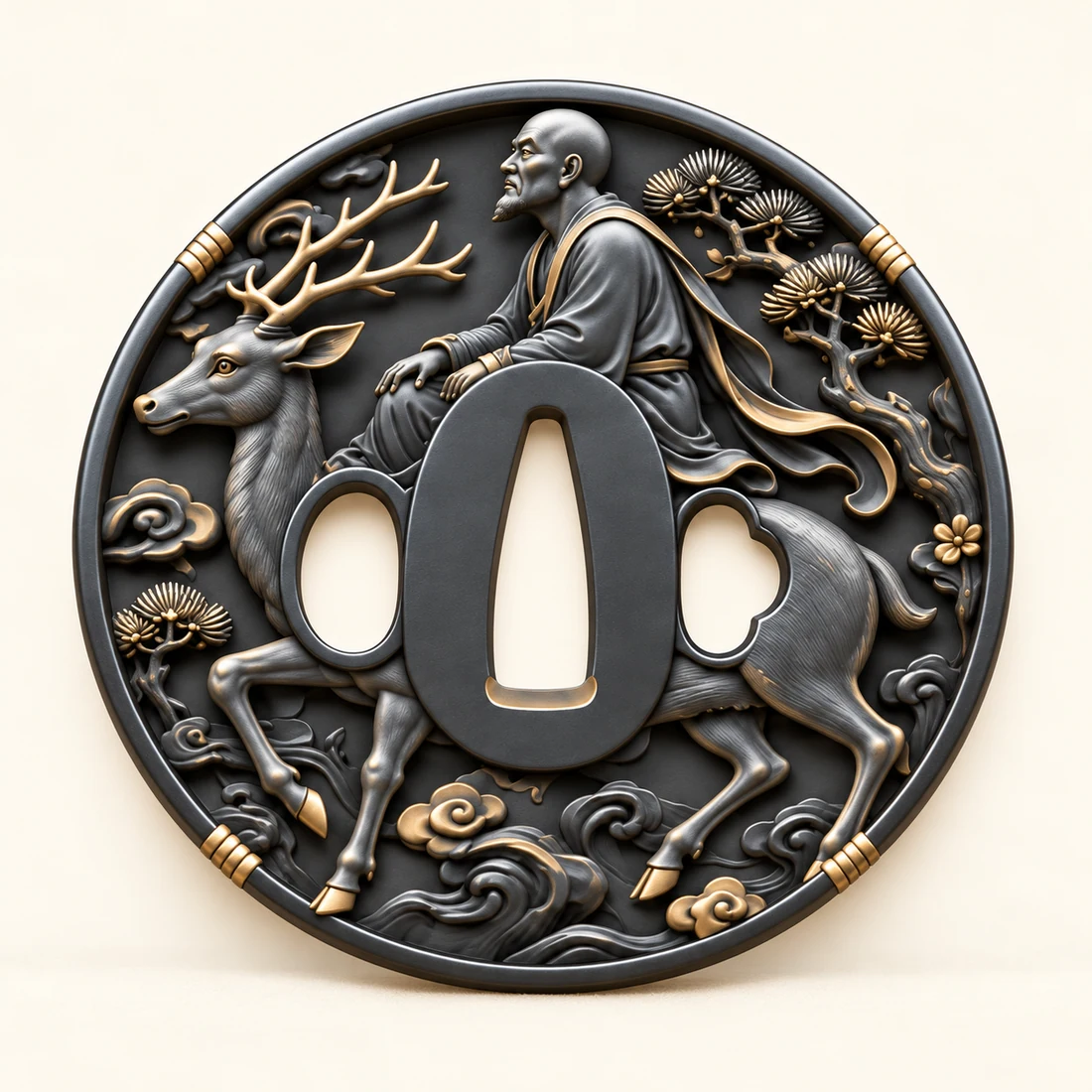
Eighteen Arhats · Deer Rider is cataloged as colored brass, with round or oval form and sculpted relief, restrained color contrast as its decorative approach.
Eighteen Arhats · Deer Rider develops its story through gesture and a distinctive motif. An arhat rides a deer in profile, its antlers and curved legs setting a graceful rhythm. Within the round outline, graphite-black colored brass sets off the robe folds, with restrained warm-brass-colored accents tracing the ornament.
Read Eighteen Arhats · Deer Rider on its own terms before comparing it with the first example. Each design retains its cataloged material and composition. If material, outline, and subject change together, record those variables separately rather than attributing every visual difference to one factor.
Turn looking into a repeatable method
Identify the main action first, then consider whether robe folds, attributes, and nearby ornament support that action.
Identify the specific sword and guard first, then confirm available options, fitting information, and color requirements. Images cannot supply every measurement or replace the product’s selection rules. A displayed combination can explain its appearance, but actual compatibility still needs confirmation for the configuration being ordered.
Keep one clear outcome
For figure gestures and attributes, make the record specific to the two designs: mark the first detail you notice in Eighteen Arhats · Stretching Arhat, then identify a corresponding observation area in Eighteen Arhats · Deer Rider. Describe the shapes and relationships first, followed by the preference or question that needs to be resolved.
A useful confirmation note can have four lines: selected designs, essential visual features, confirmed specifications, and remaining questions. Use the information confirmed for that order when recording price, stock, and delivery arrangements; an older article or screenshot is not an ongoing availability promise.