Rounded Fruit Forms Within Two Autumn Fruits
To examine rounded fruit forms, begin with specific designs rather than a general style label. This article focuses on collection reading, using Two Autumn Fruits · Persimmon Branch and Two Autumn Fruits · Chestnut Branch to distinguish visible clues from the information that needs a separate check.
Define the question for this comparison
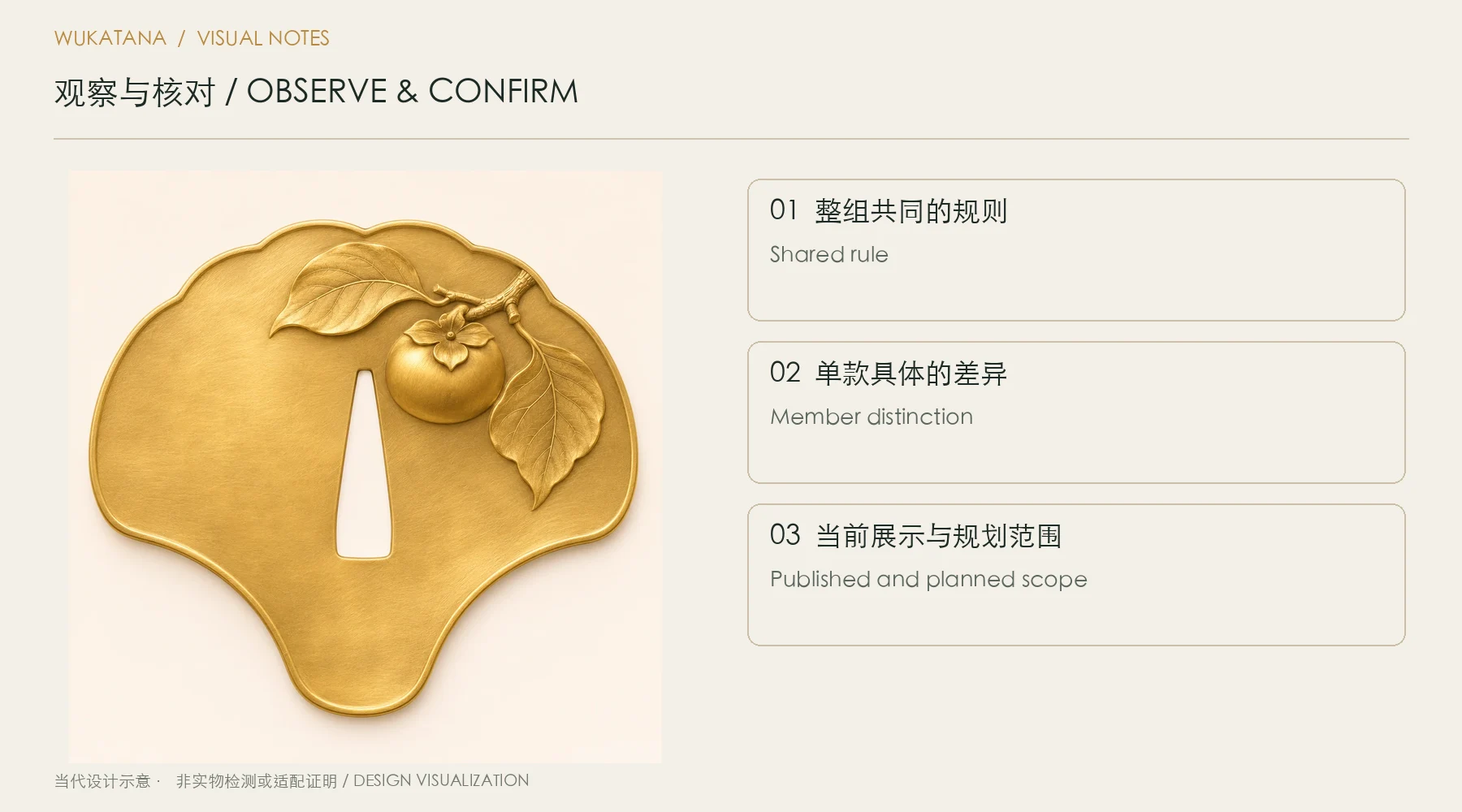
A themed collection needs to answer two questions at once: which rules make its members related, and which changes allow each to stand alone? Material, outline, and decorative scale can provide the shared foundation, while pose, direction, and open space give individual members distinct expressions.
Fruit subjects can become recognizable through the relationship between contour, calyx, branches, and leaves. A brighter surface does not replace a clear structure and appropriate open space.
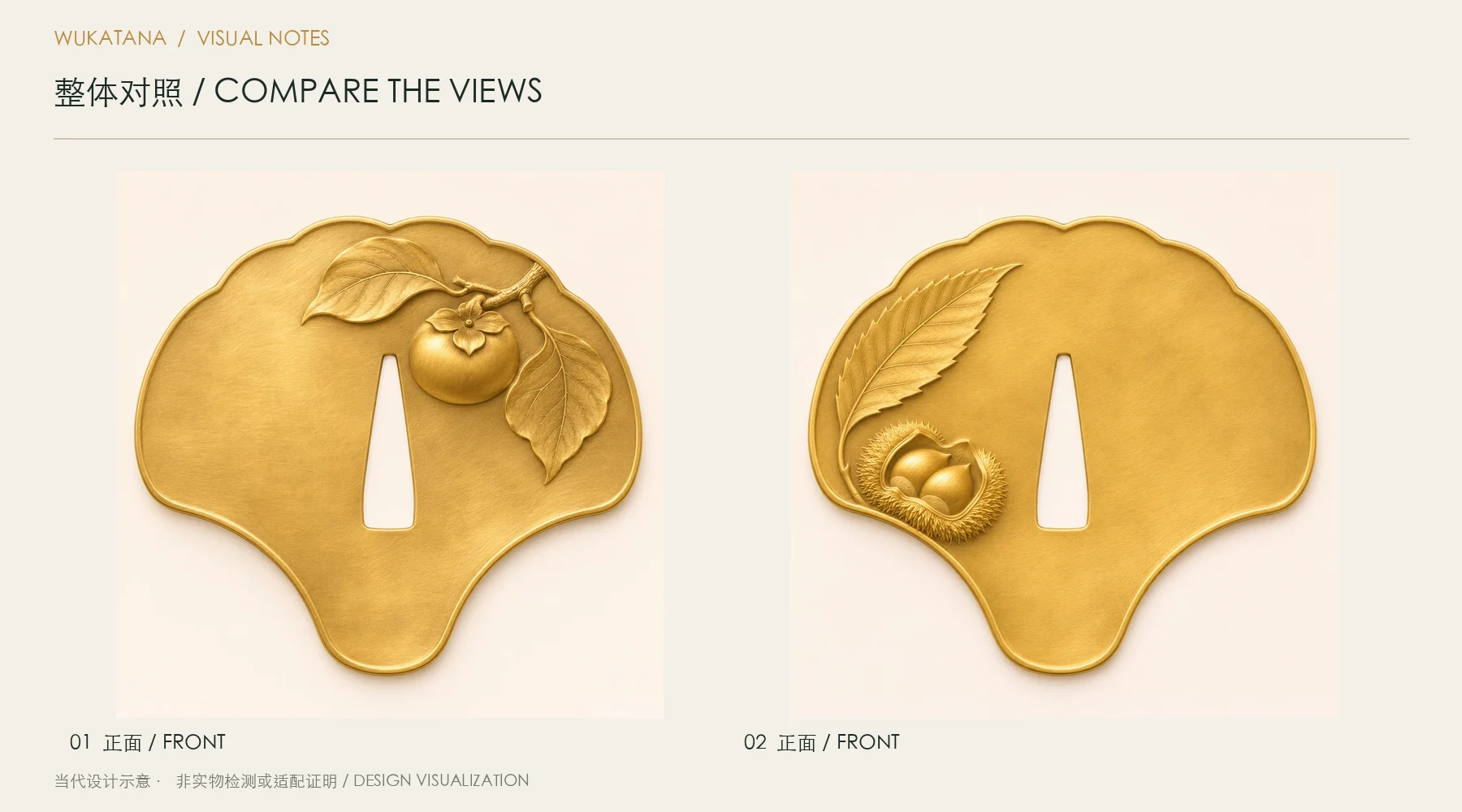
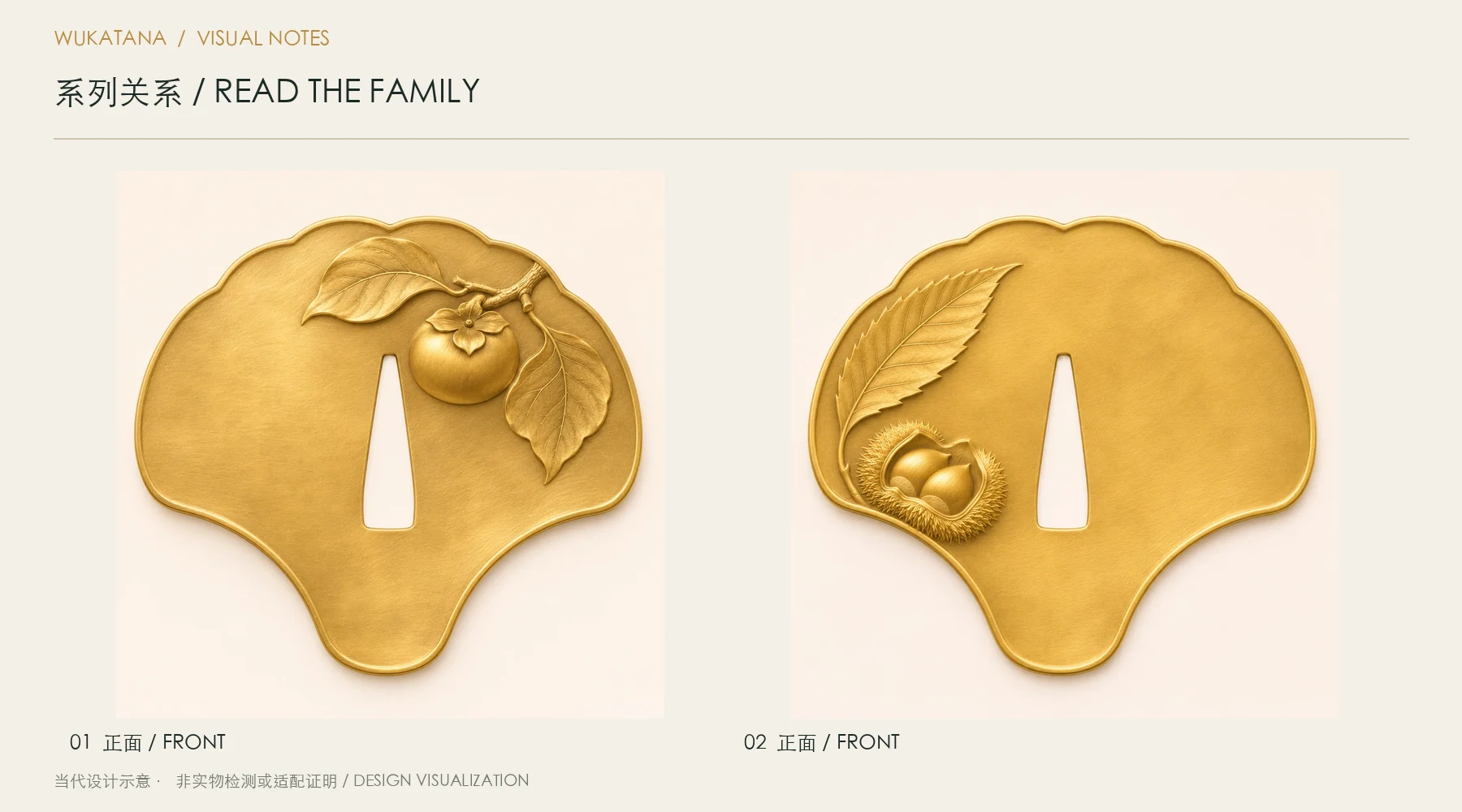
Each member has its own primary motif and a simpler reverse, while sharing the same silhouette, palette and decorative language.
First example: Two Autumn Fruits · Persimmon Branch
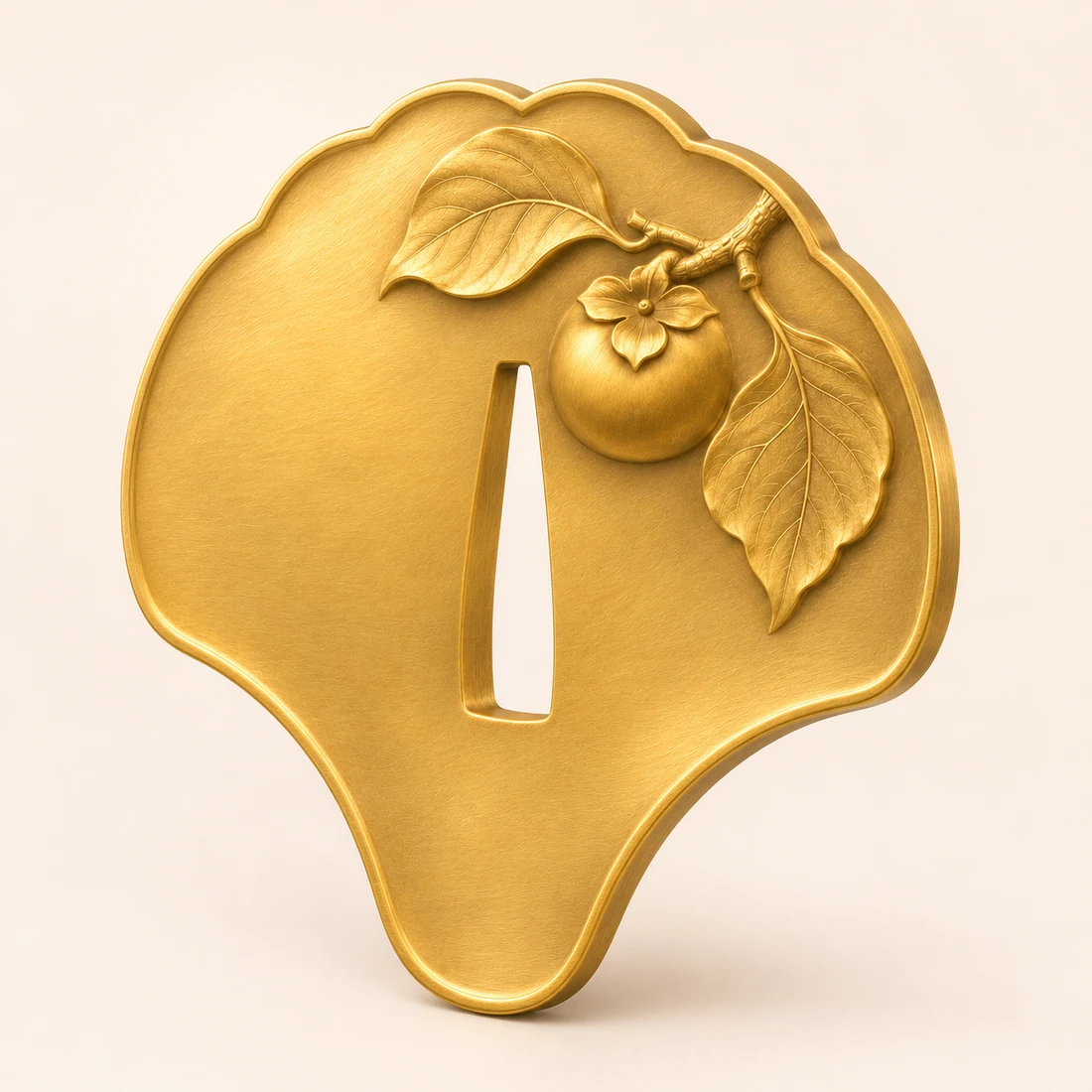
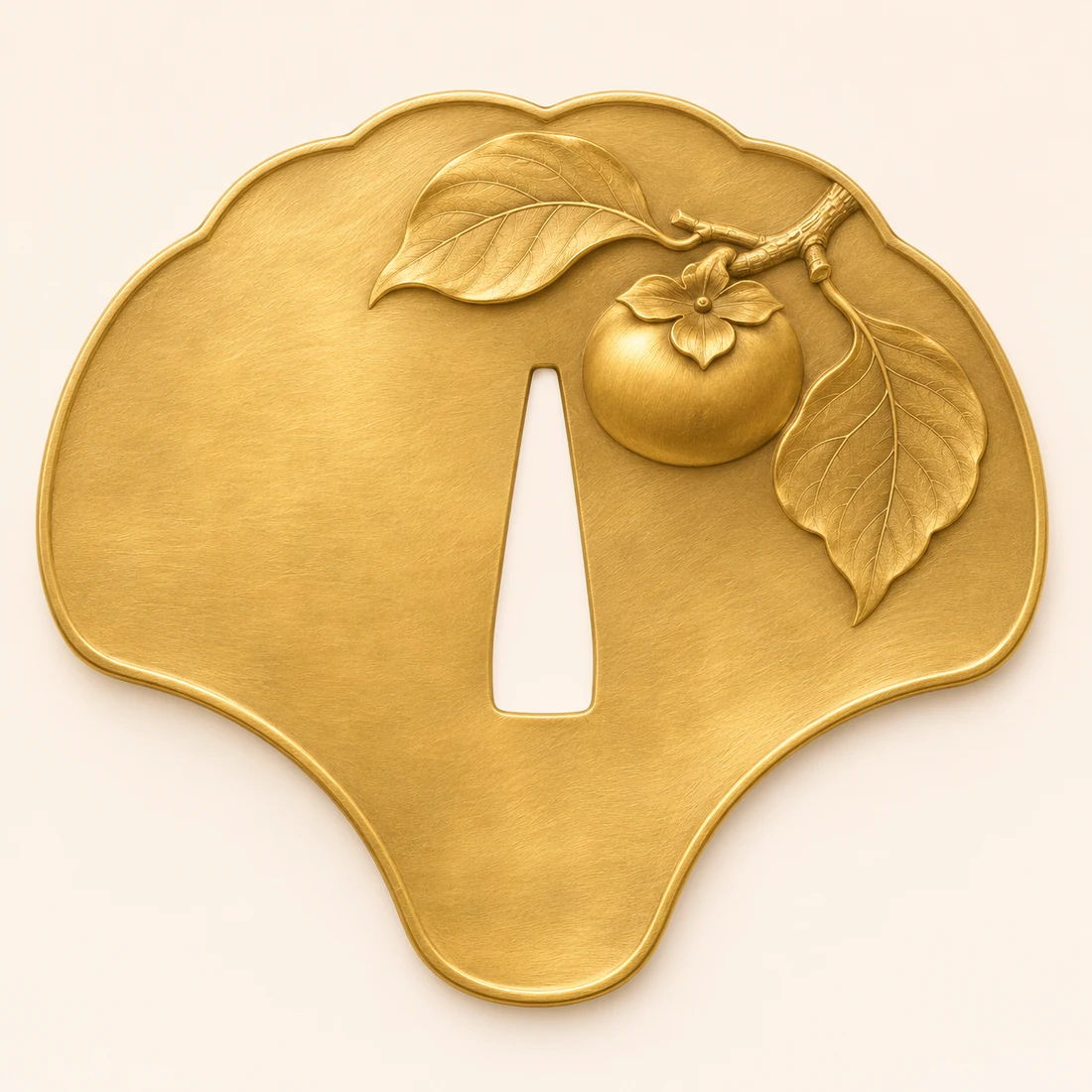
Two Autumn Fruits · Persimmon Branch is cataloged as natural brass, with an organic outline form and fine engraved lines, sculpted relief as its decorative approach.
Branches hold the season; autumn fruit grows round. Two Autumn Fruits · Persimmon Branch uses natural brass. A short branch at the upper right carries a single round persimmon.
Place this member back within its collection and consider whether it offers a quieter interval or a stronger focal moment. That reading should come from its relationship with the other members, not from applying the same descriptive adjectives to every design in the group.
Second example: Two Autumn Fruits · Chestnut Branch
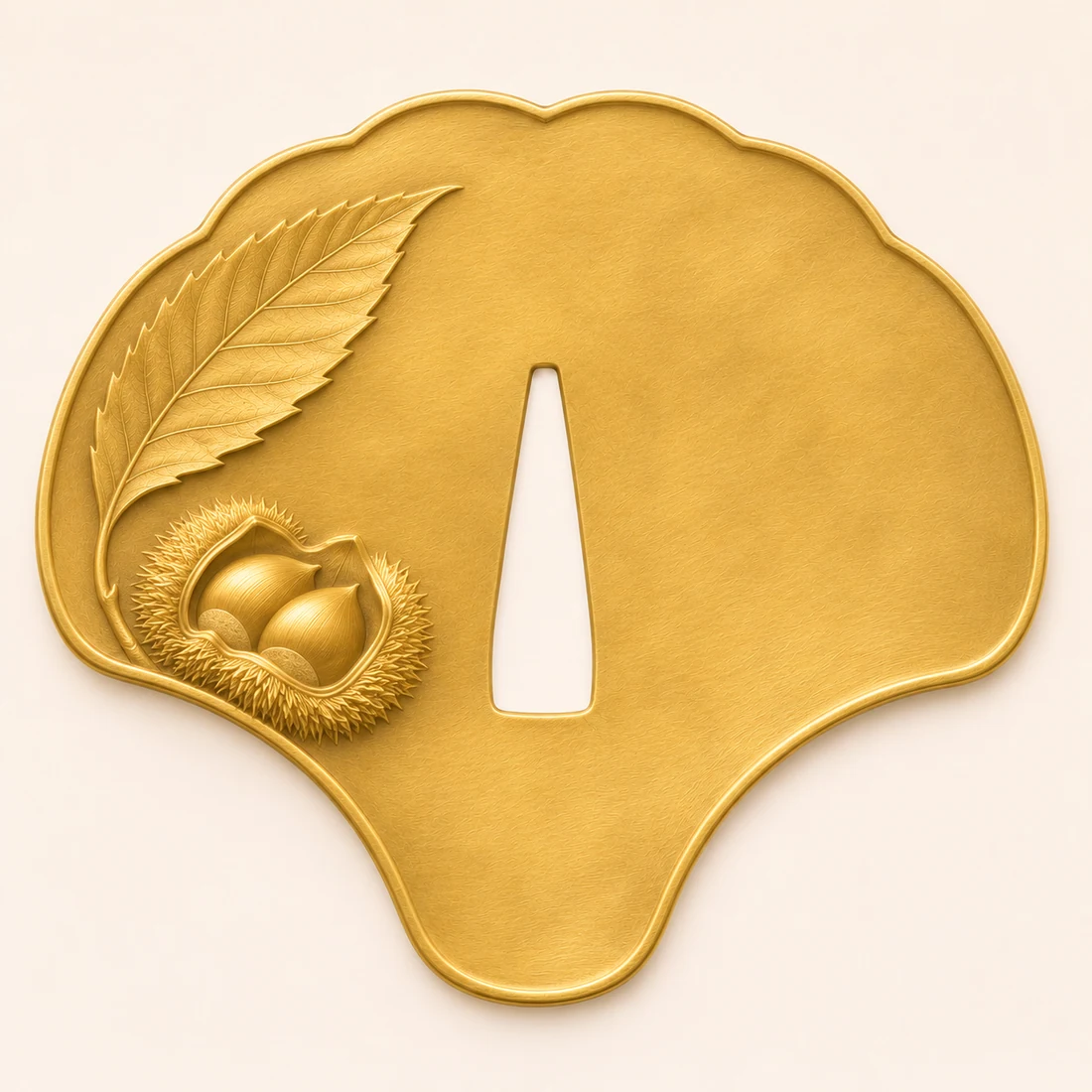
Two Autumn Fruits · Chestnut Branch is cataloged as natural brass, with an organic outline form and fine engraved lines, sculpted relief as its decorative approach.
Branches hold the season; autumn fruit grows round. Two Autumn Fruits · Chestnut Branch uses natural brass. An open chestnut at the lower left reveals two nuts.
Read Two Autumn Fruits · Chestnut Branch on its own terms before comparing it with the first example. Each design retains its cataloged material and composition. If material, outline, and subject change together, record those variables separately rather than attributing every visual difference to one factor.
Turn looking into a repeatable method
Locate the fruit outline, calyx, and branch connection separately and check whether those clues survive in a small image.
Use the members actually shown on the collection page and compare them at a similar size. Identify repeated outlines and colors before comparing motif placement and density. If one design stands apart, check which shared rule has changed before assuming that more repeated decoration will make it fit.
Keep one clear outcome
For rounded fruit forms, make the record specific to the two designs: mark the first detail you notice in Two Autumn Fruits · Persimmon Branch, then identify a corresponding observation area in Two Autumn Fruits · Chestnut Branch. Describe the shapes and relationships first, followed by the preference or question that needs to be resolved.
Summarize the shared language in one short statement, then retain one concrete distinction for each member. Let the subject determine the size of the collection, and distinguish published members from the planned total. Whether a set contains two, three, or more designs, its current scope should be easy to understand.