Choosing Openings And Solid Ground: Build a Useful Comparison
To examine openings and solid ground, begin with specific designs rather than a general style label. This article focuses on selection, using Eighteen Arhats · Pagoda Bearer and Eighteen Arhats · Stretching Arhat to distinguish visible clues from the information that needs a separate check.
Define the question for this comparison
Begin by separating the appearance you want from the information that needs confirmation. The first determines the visual qualities to preserve; the second determines whether a preference can become a specific configuration. A comparison is useful when it ends with a clear reason for keeping or rejecting an option, rather than another collection of attractive photographs.
An opening brings the background into the composition; a solid ground provides a continuous metal field. Counting holes is less useful than seeing how their boundaries participate in the design.
First example: Eighteen Arhats · Pagoda Bearer
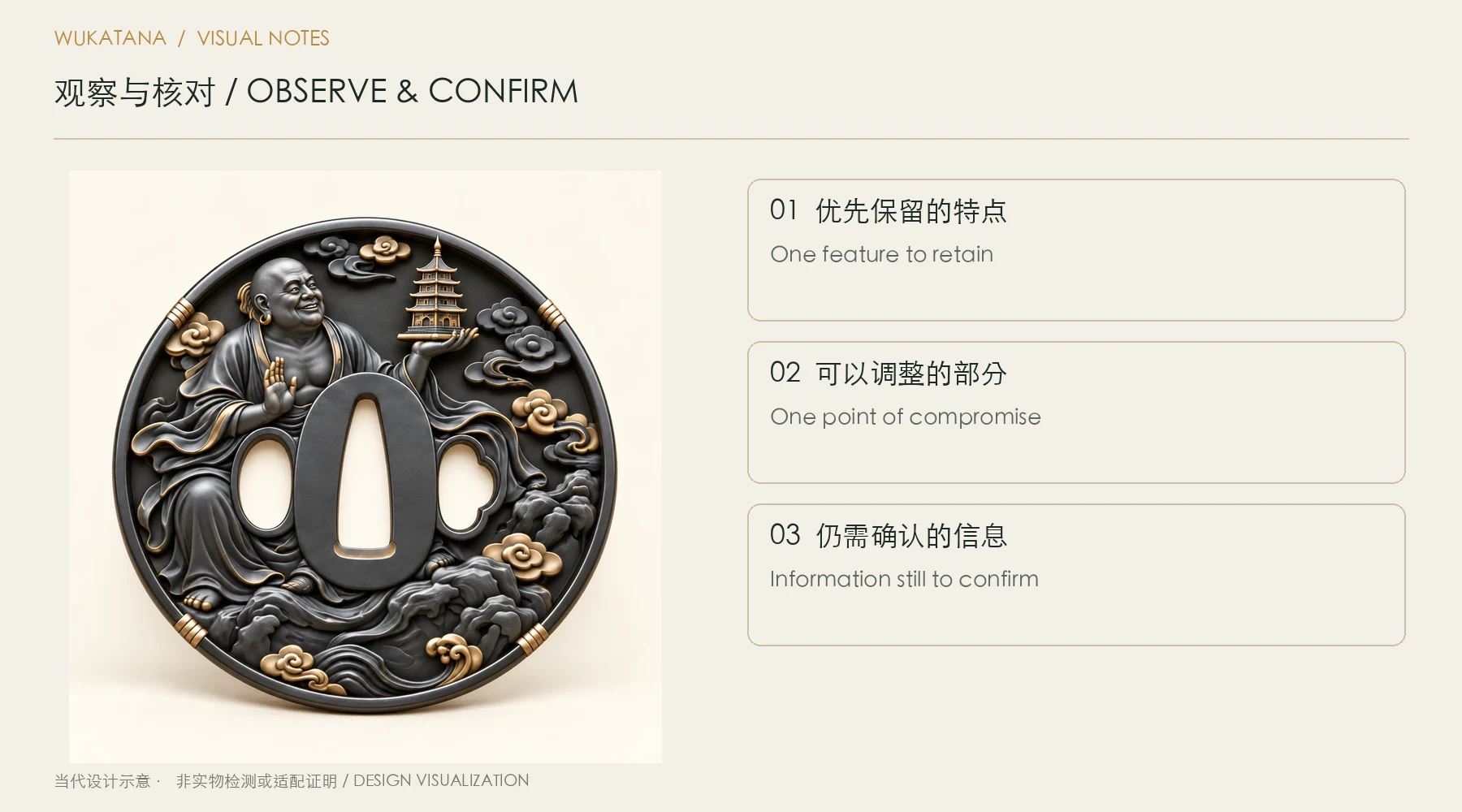
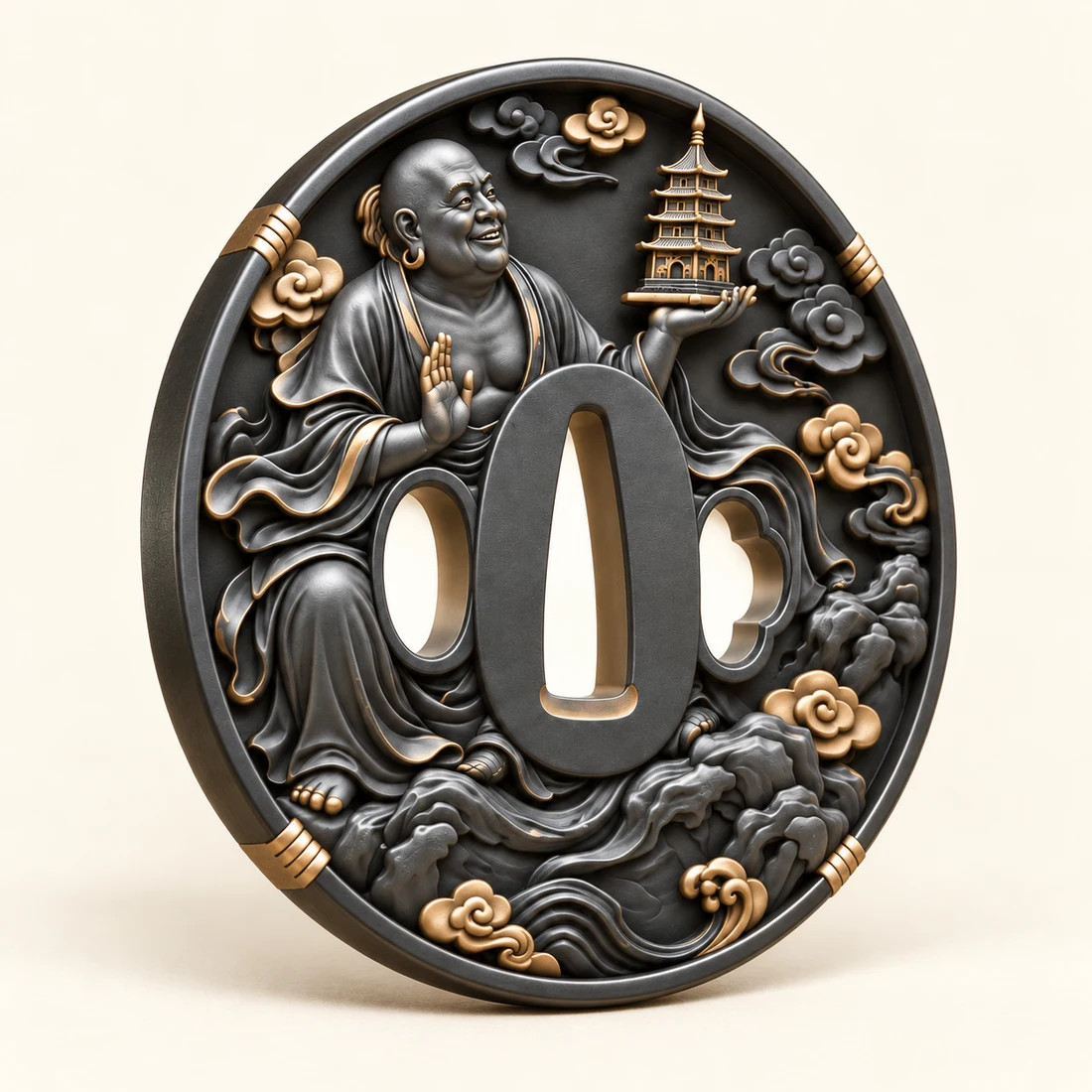
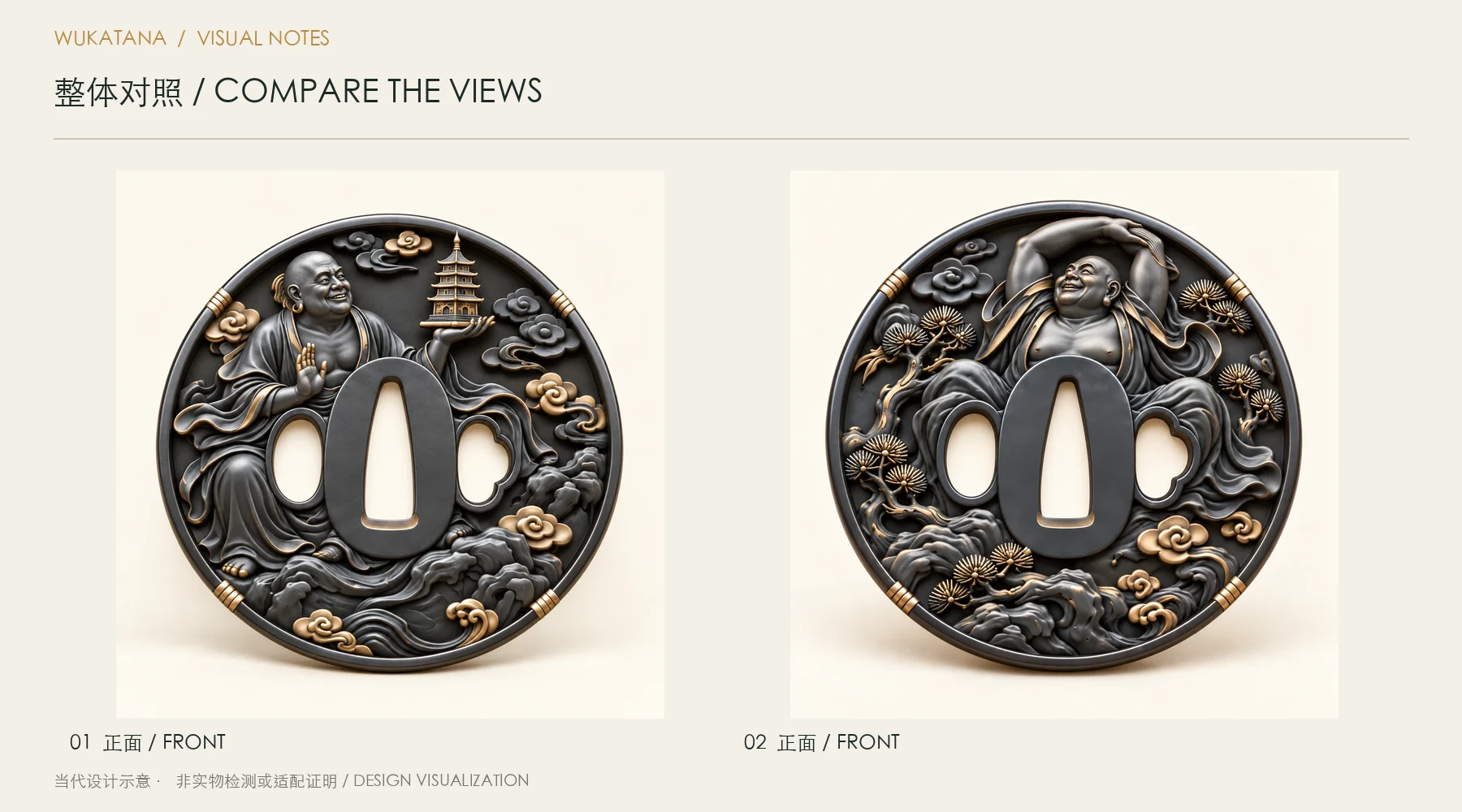
Eighteen Arhats · Pagoda Bearer is cataloged as colored brass, with round or oval form and sculpted relief, restrained color contrast as its decorative approach.
Eighteen Arhats · Pagoda Bearer develops its story through gesture and a distinctive motif. An arhat carries a small tiered pagoda on an open palm, balancing architecture and flowing robes. Within the round outline, graphite-black colored brass sets off the robe folds, with restrained warm-brass-colored accents tracing the ornament.
Read the overall composition before the detail. As a candidate, this design should stand for one quality you most want to retain. Listing every attractive feature makes it harder to decide what matters when another option offers a different balance.
Second example: Eighteen Arhats · Stretching Arhat
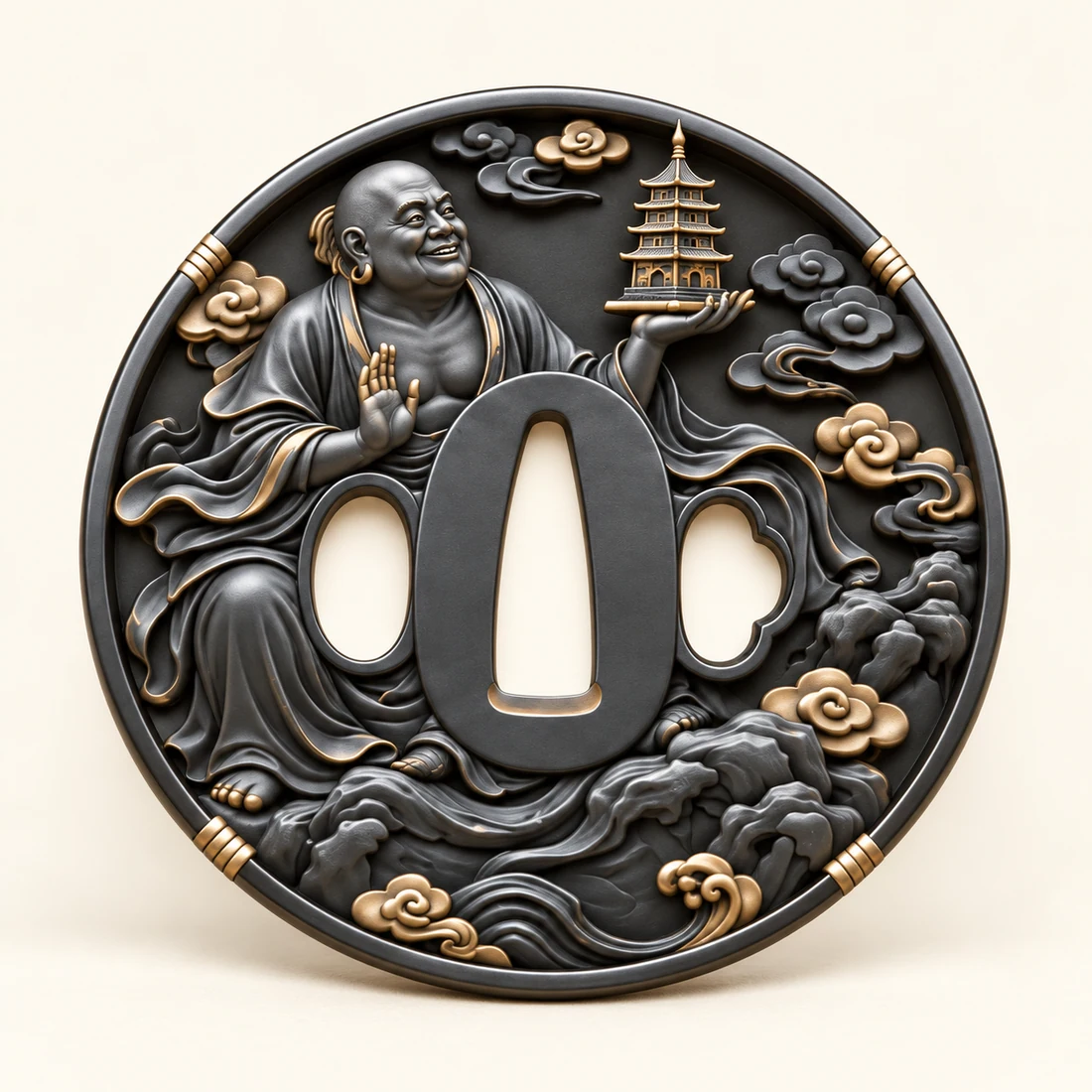
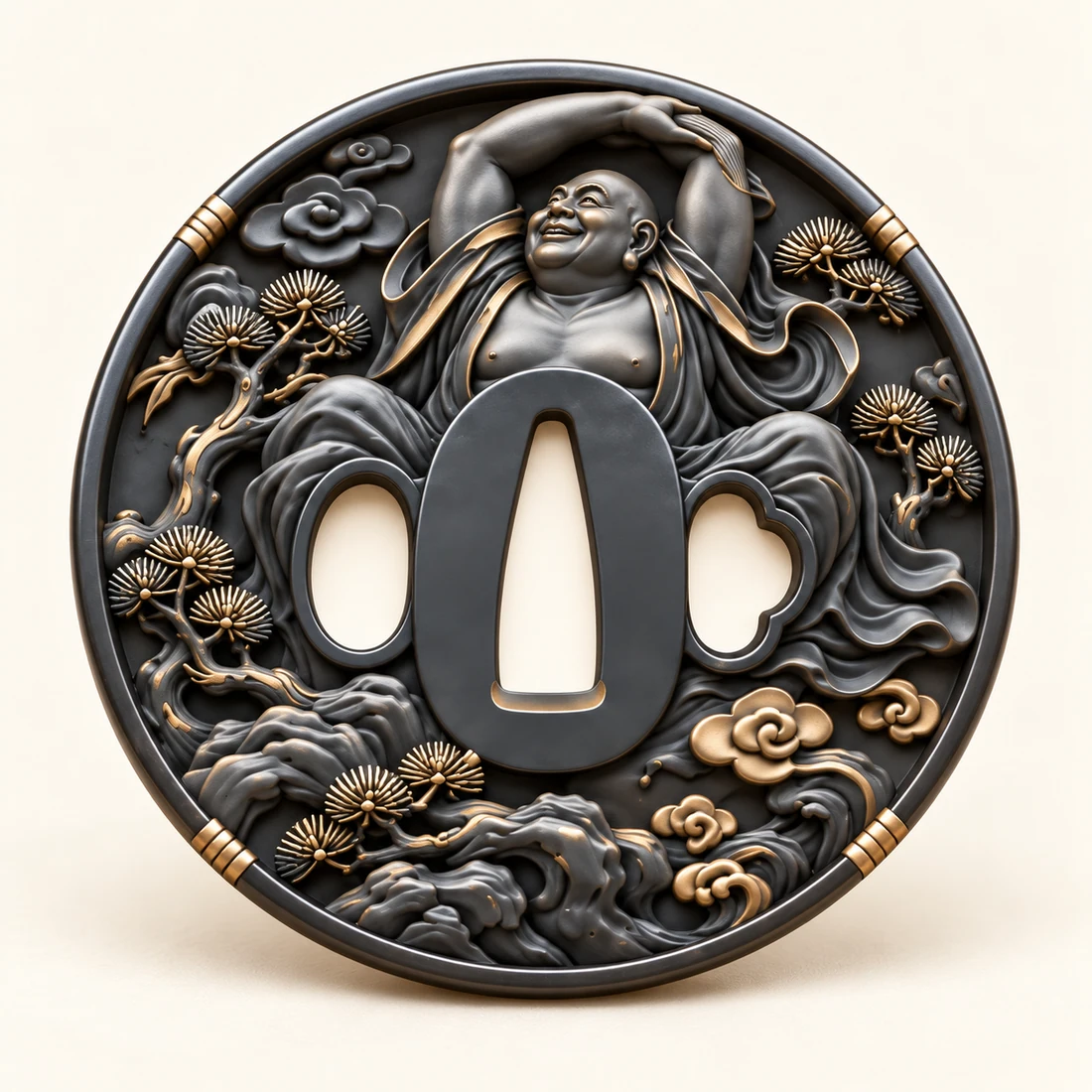
Eighteen Arhats · Stretching Arhat is cataloged as colored brass, with round or oval form and sculpted relief, restrained color contrast as its decorative approach.
Eighteen Arhats · Stretching Arhat develops its story through gesture and a distinctive motif. An arhat stretches both arms overhead in a relaxed arch, with soft robe folds, rocks and sparse branches. Within the round outline, graphite-black colored brass sets off the robe folds, with restrained warm-brass-colored accents tracing the ornament.
Read Eighteen Arhats · Stretching Arhat on its own terms before comparing it with the first example. Each design retains its cataloged material and composition. If material, outline, and subject change together, record those variables separately rather than attributing every visual difference to one factor.
Turn looking into a repeatable method
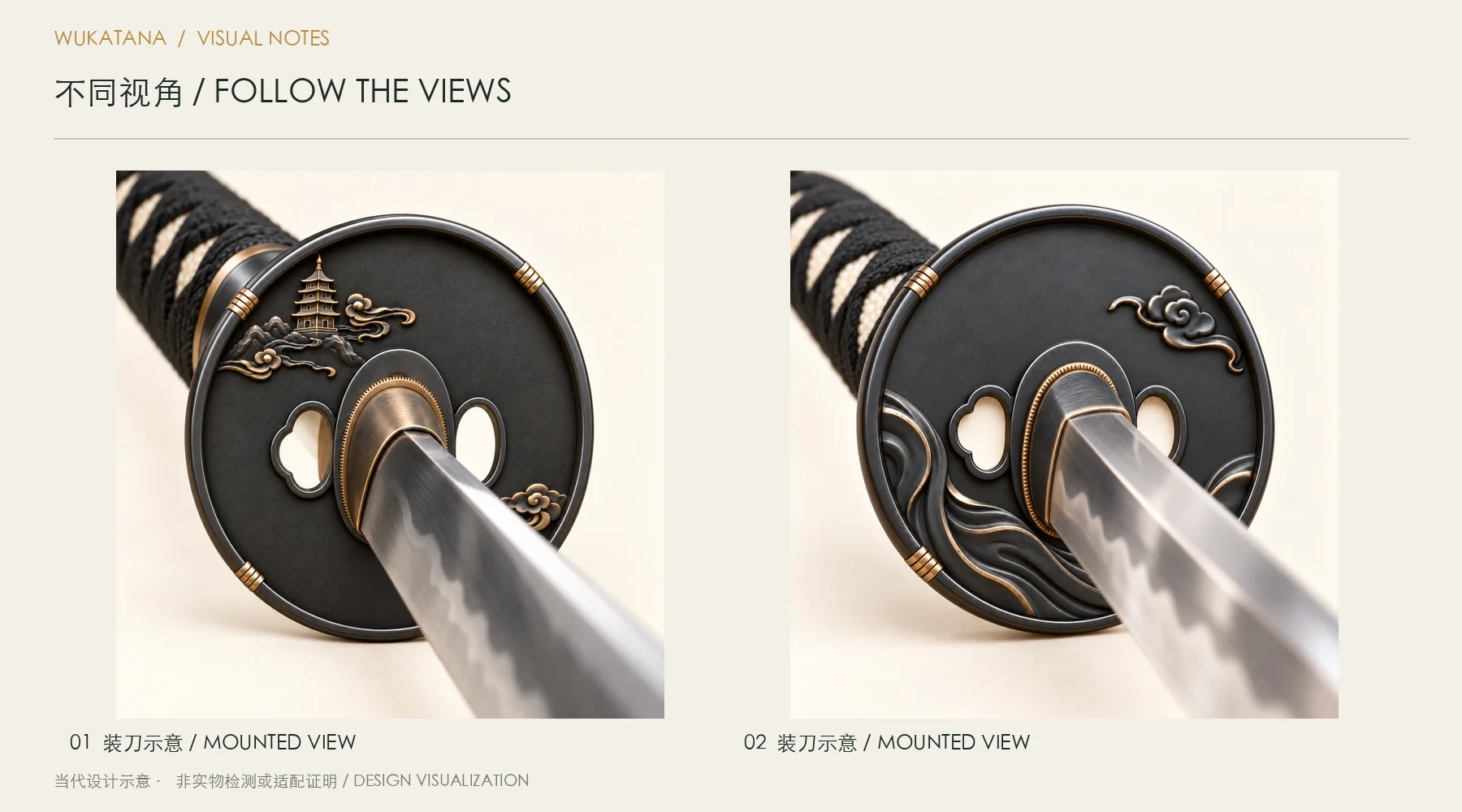
Inspect the same design against light and dark surroundings. Check whether its outline stays legible and whether visible side openings remain open in mounted views.
Use images at a similar displayed height and, where possible, comparable lighting. Make three passes: first read only the outline; next record where attention settles; finally return to a mounted view and check whether that focal quality remains. Keeping those passes separate makes the reason for a preference easier to explain.
Keep one clear outcome
For openings and solid ground, make the record specific to the two designs: mark the first detail you notice in Eighteen Arhats · Pagoda Bearer, then identify a corresponding observation area in Eighteen Arhats · Stretching Arhat. Describe the shapes and relationships first, followed by the preference or question that needs to be resolved.
End with one priority and one point on which you can compromise. You might prioritize a clear main motif while accepting a different decorative density. That decision is more useful than calling one option “more premium,” because it can be checked against the actual design and discussed without relying on a shared impression.