A Closer Look at the Visual Language of Color Differences And A Common Reference
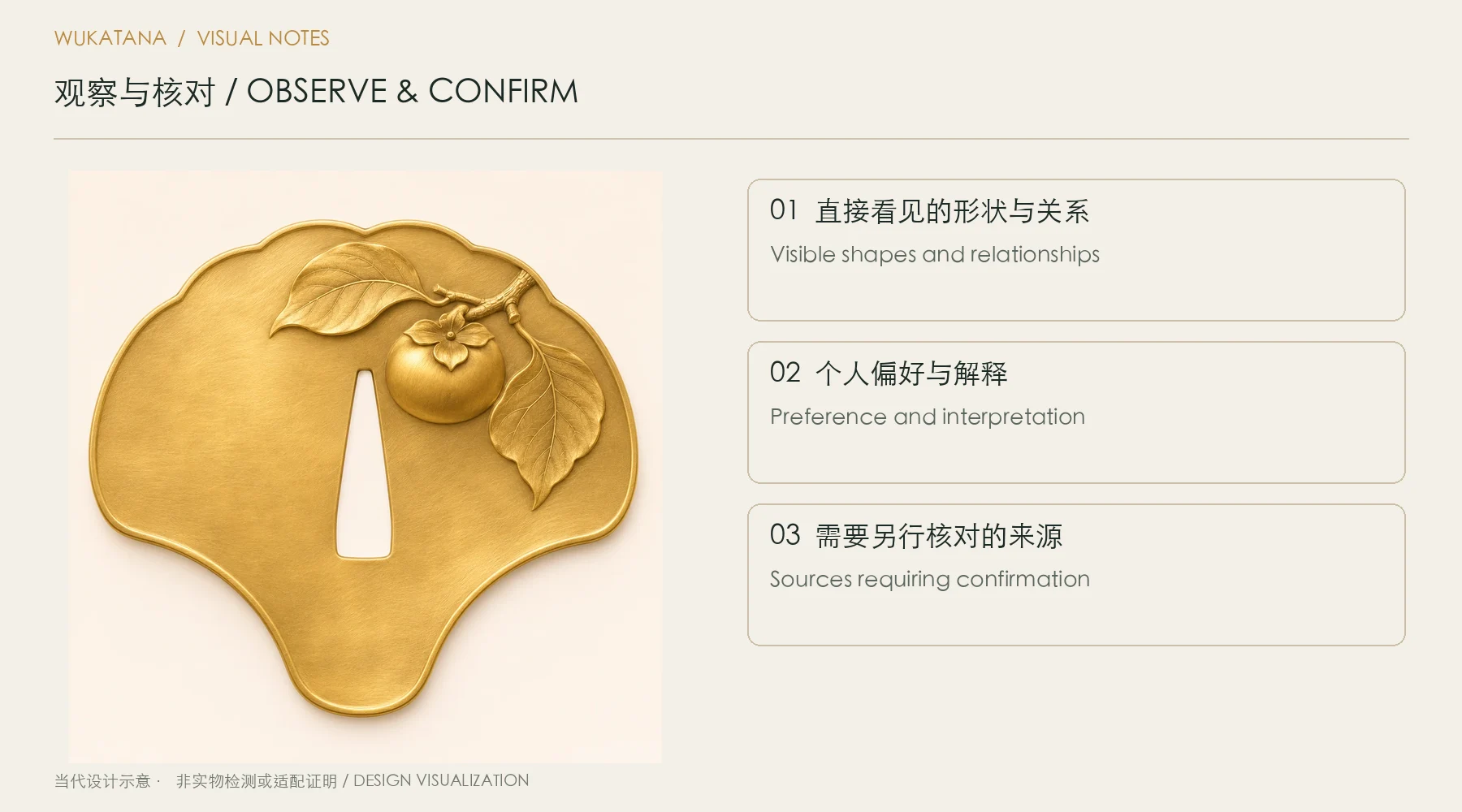
To examine color differences and a common reference, begin with specific designs rather than a general style label. This article focuses on visual interpretation, using Two Autumn Fruits · Persimmon Branch and Two Autumn Fruits · Chestnut Branch to distinguish visible clues from the information that needs a separate check.
Define the question for this comparison
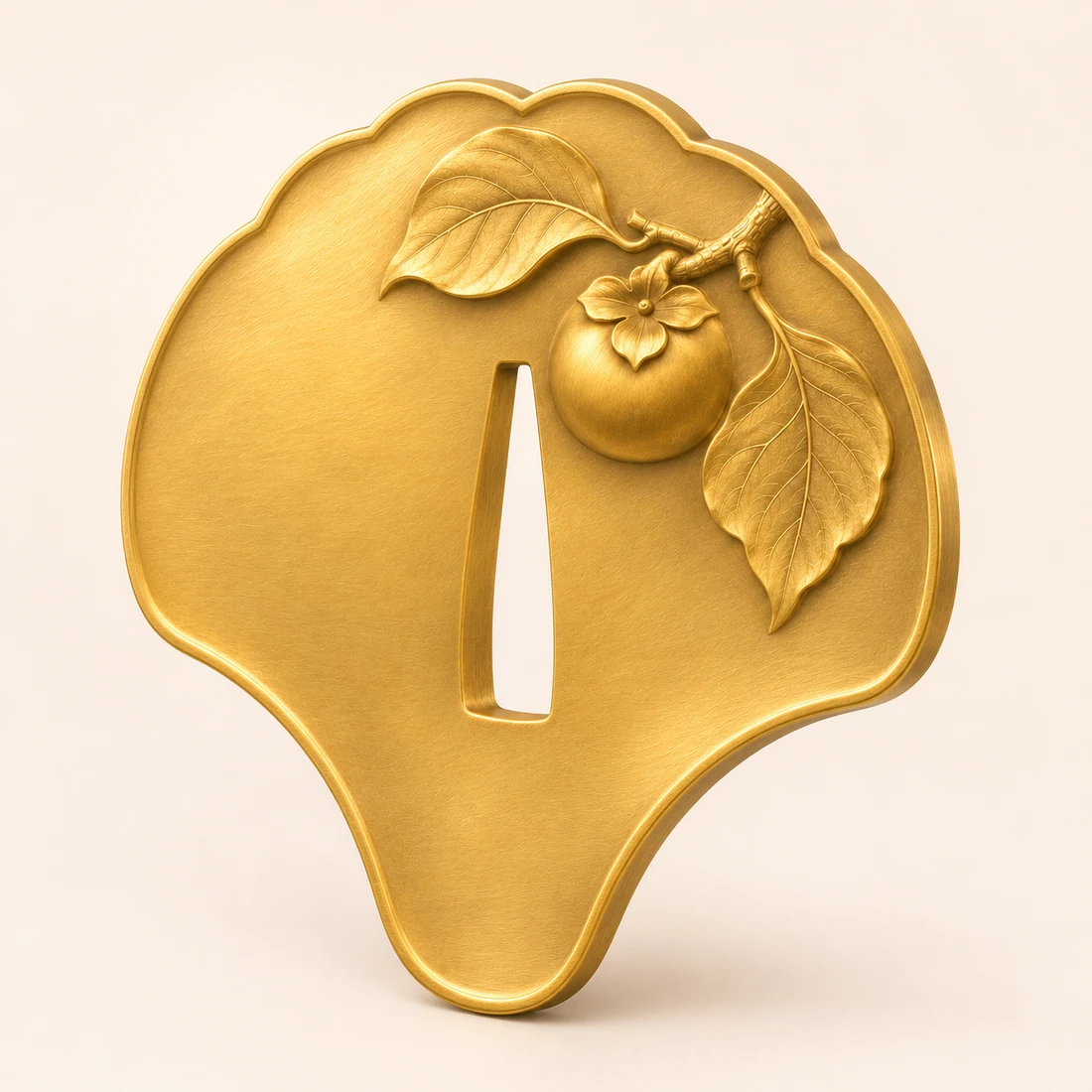
A reading of contemporary mountings can begin with visible shape, direction, and relationships. The subject name provides an entry point, but looking still means returning to the object: what has been emphasized, what has been omitted, and how attention moves between the clues that remain.
Lighting, angle, and surrounding color affect the photographic appearance of metal and lacquer. Comparisons are more useful when at least one set of images has reasonably similar shooting conditions.
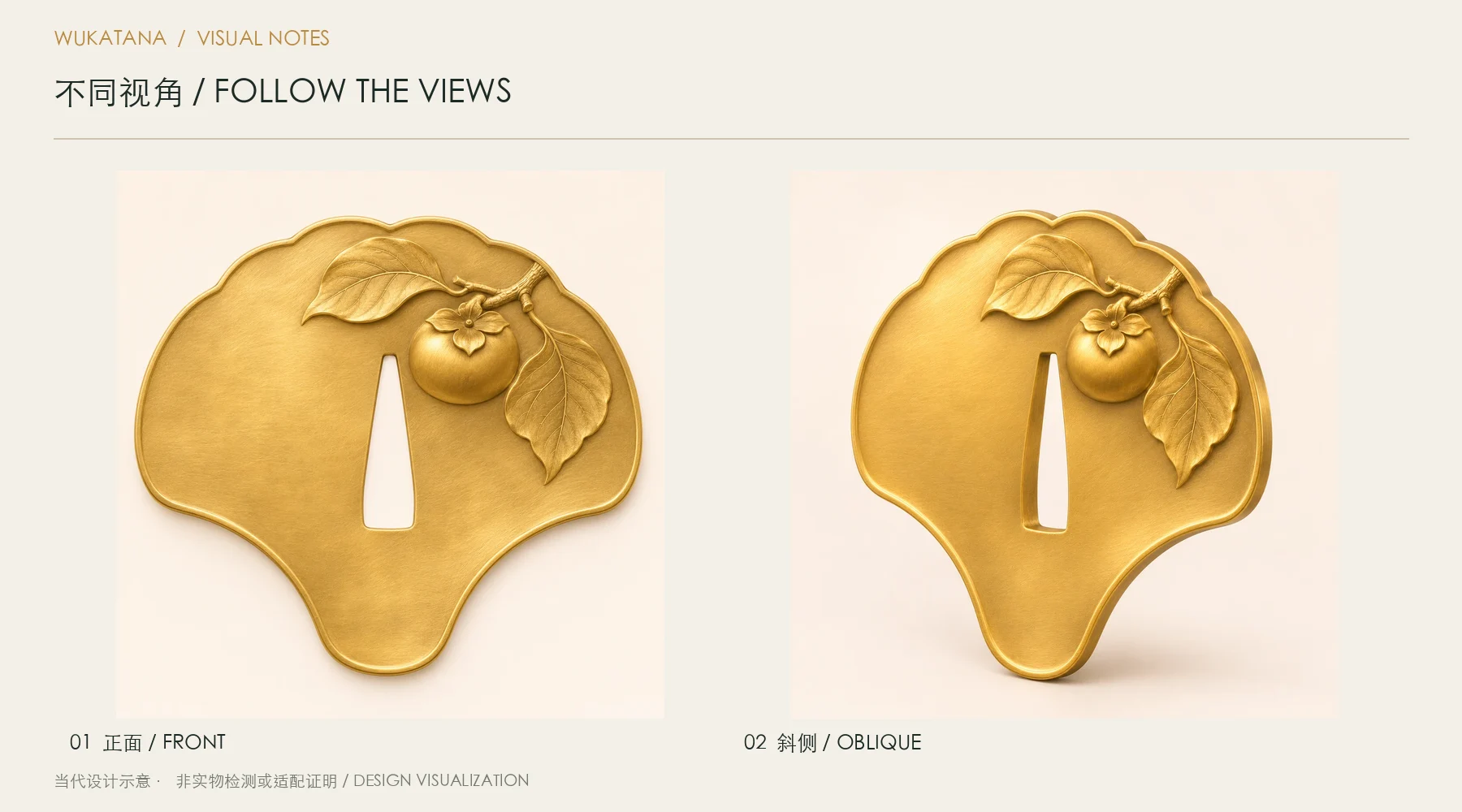
First example: Two Autumn Fruits · Persimmon Branch
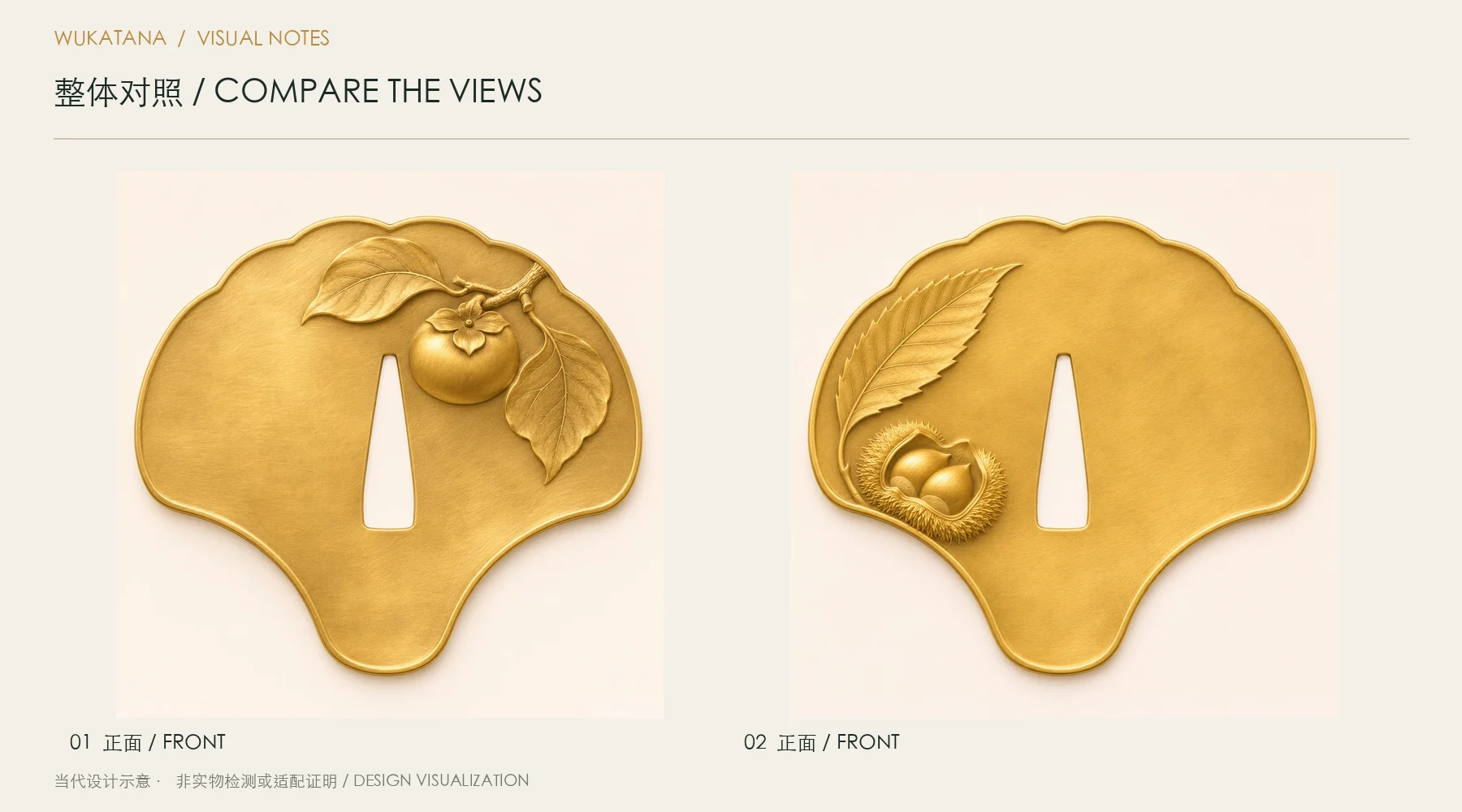
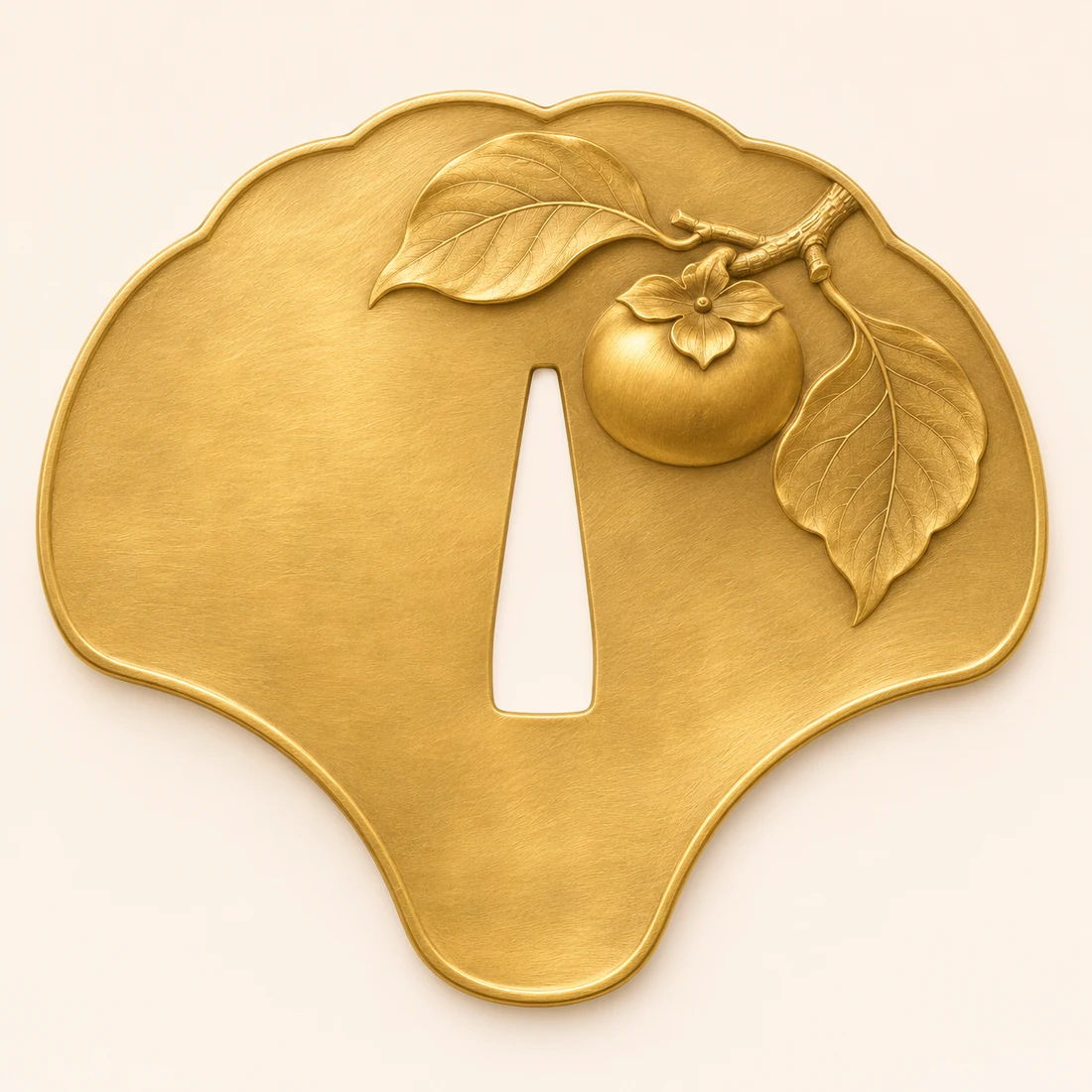
Two Autumn Fruits · Persimmon Branch is cataloged as natural brass, with an organic outline form and fine engraved lines, sculpted relief as its decorative approach.
Branches hold the season; autumn fruit grows round. Two Autumn Fruits · Persimmon Branch uses natural brass. A short branch at the upper right carries a single round persimmon.
Describe this design in plain visual terms before attaching a date or school label. Pointing to motif placement, a turn in the rim, and an interval of open ground usually helps another person understand the observation more effectively than relying on adjectives such as “ancient” or “mysterious.”
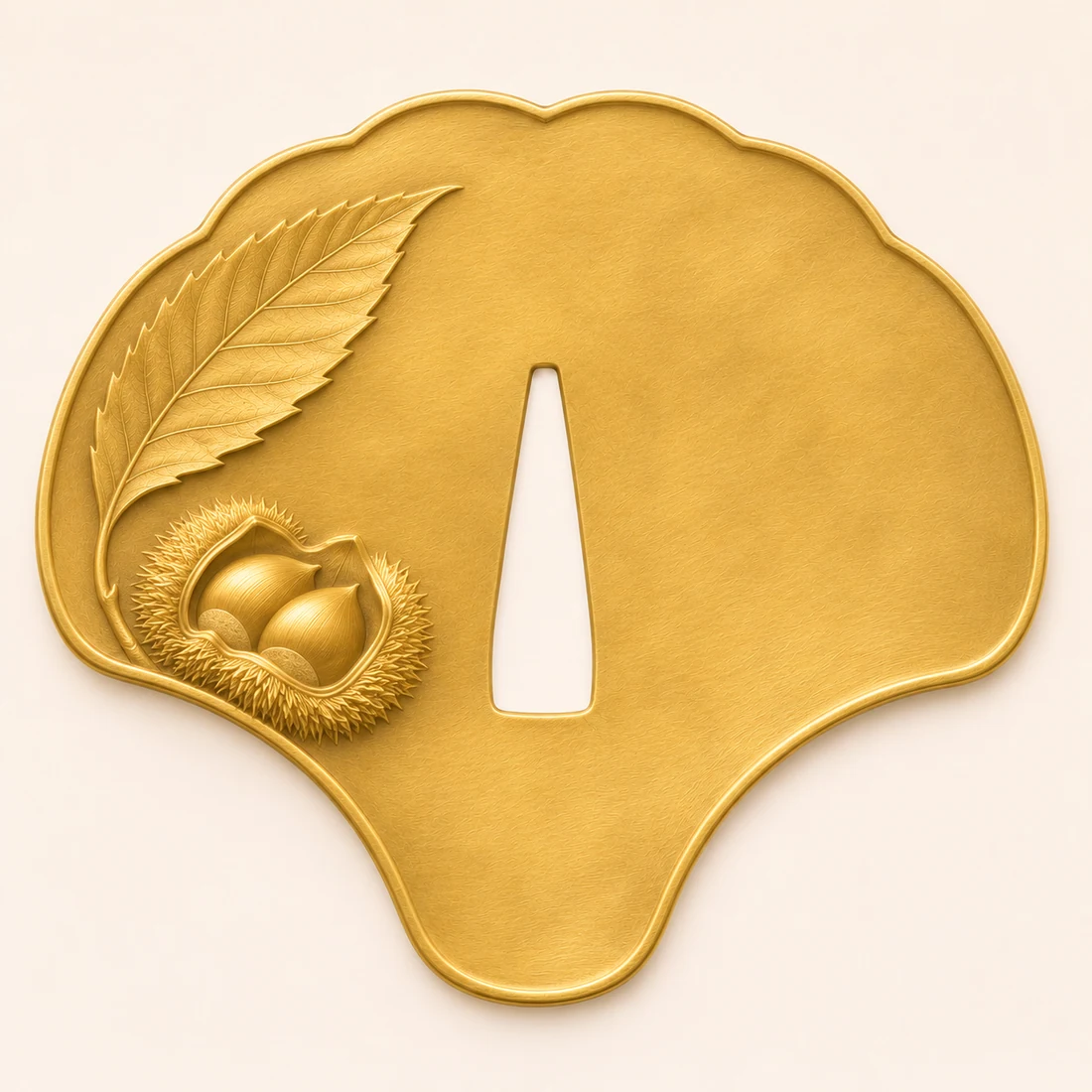
Second example: Two Autumn Fruits · Chestnut Branch
Two Autumn Fruits · Chestnut Branch is cataloged as natural brass, with an organic outline form and fine engraved lines, sculpted relief as its decorative approach.
Branches hold the season; autumn fruit grows round. Two Autumn Fruits · Chestnut Branch uses natural brass. An open chestnut at the lower left reveals two nuts.
Read Two Autumn Fruits · Chestnut Branch on its own terms before comparing it with the first example. Each design retains its cataloged material and composition. If material, outline, and subject change together, record those variables separately rather than attributing every visual difference to one factor.
Turn looking into a repeatable method
Start with photographs made against similar backgrounds and light. If uncertainty remains, request overall and detail records under one lighting setup.
Keep the subject name, visible form, and personal associations as separate notes. A contemporary design can support a clearly described individual response. A historical claim requires a further step: checking documents or museum records with a clear source. Similar-looking ornament alone cannot establish age, ownership, or a definitive meaning.
Keep one clear outcome
For color differences and a common reference, make the record specific to the two designs: mark the first detail you notice in Two Autumn Fruits · Persimmon Branch, then identify a corresponding observation area in Two Autumn Fruits · Chestnut Branch. Describe the shapes and relationships first, followed by the preference or question that needs to be resolved.
Finish with a simple account of what you noticed first, how you followed the lines, and where you paused. Those observations can be checked against the image while leaving other readers room for a different response. The discussion stays grounded in the design rather than requiring everyone to accept one symbolic interpretation.