Reading Wave Direction And Turning Currents Through Copper Color and Light
To examine wave direction and turning currents, begin with specific designs rather than a general style label. This article focuses on surface observation, using Four Ocean Tides · Returning Eddy and Four Symbols Guardians · Black Tortoise to distinguish visible clues from the information that needs a separate check.
Define the question for this comparison
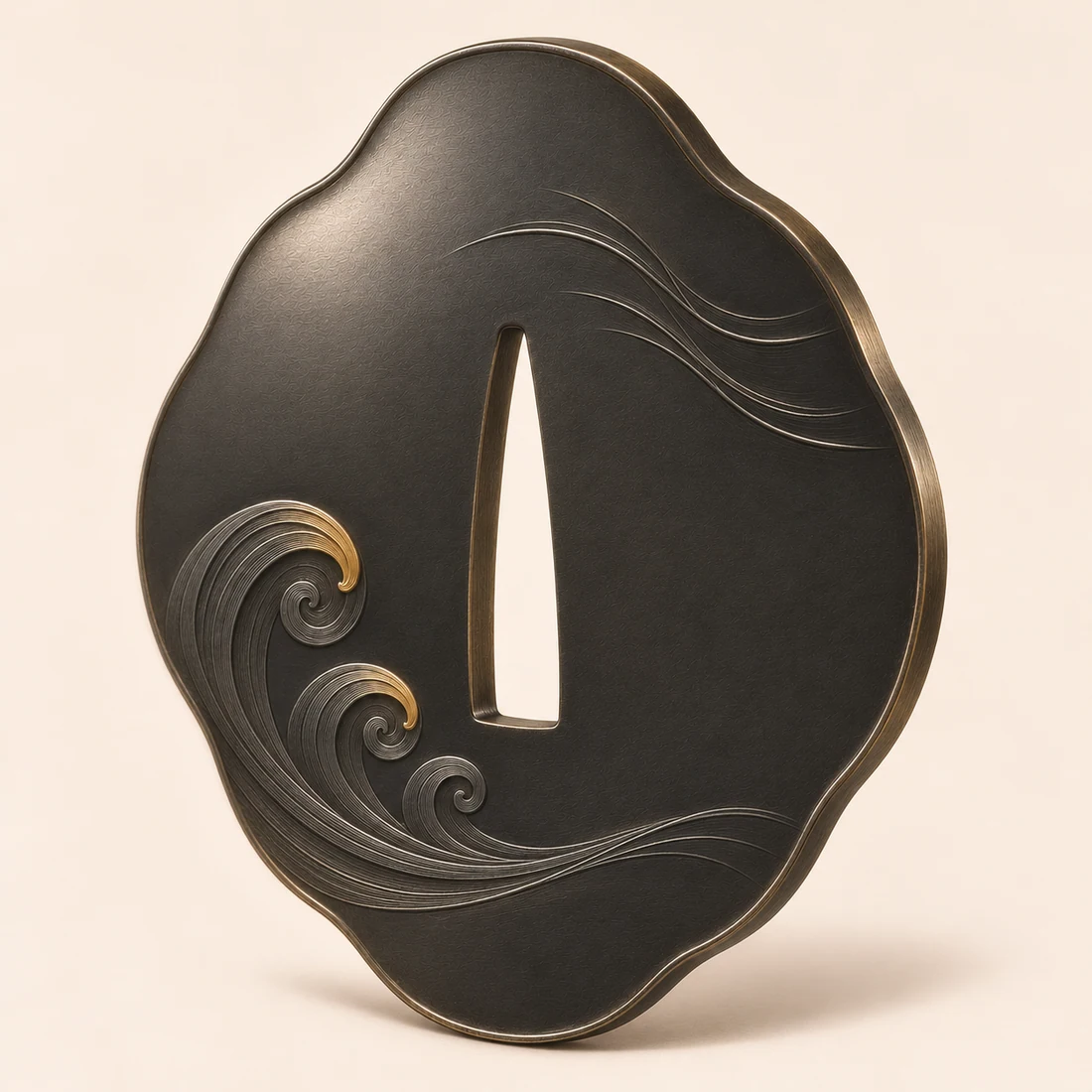
Separate base material, visible color, and photographic shading when discussing a surface. The current design program uses natural brass, natural white copper, and colored brass. A color name describes the appearance being considered; it does not independently establish an inlay, coating process, or alloy formula.
Water lines can organize the movement of a composition, while a turning current establishes a local center. Compare the roles of raised wave forms and flatter water lines rather than treating them as interchangeable decoration.
First example: Four Ocean Tides · Returning Eddy
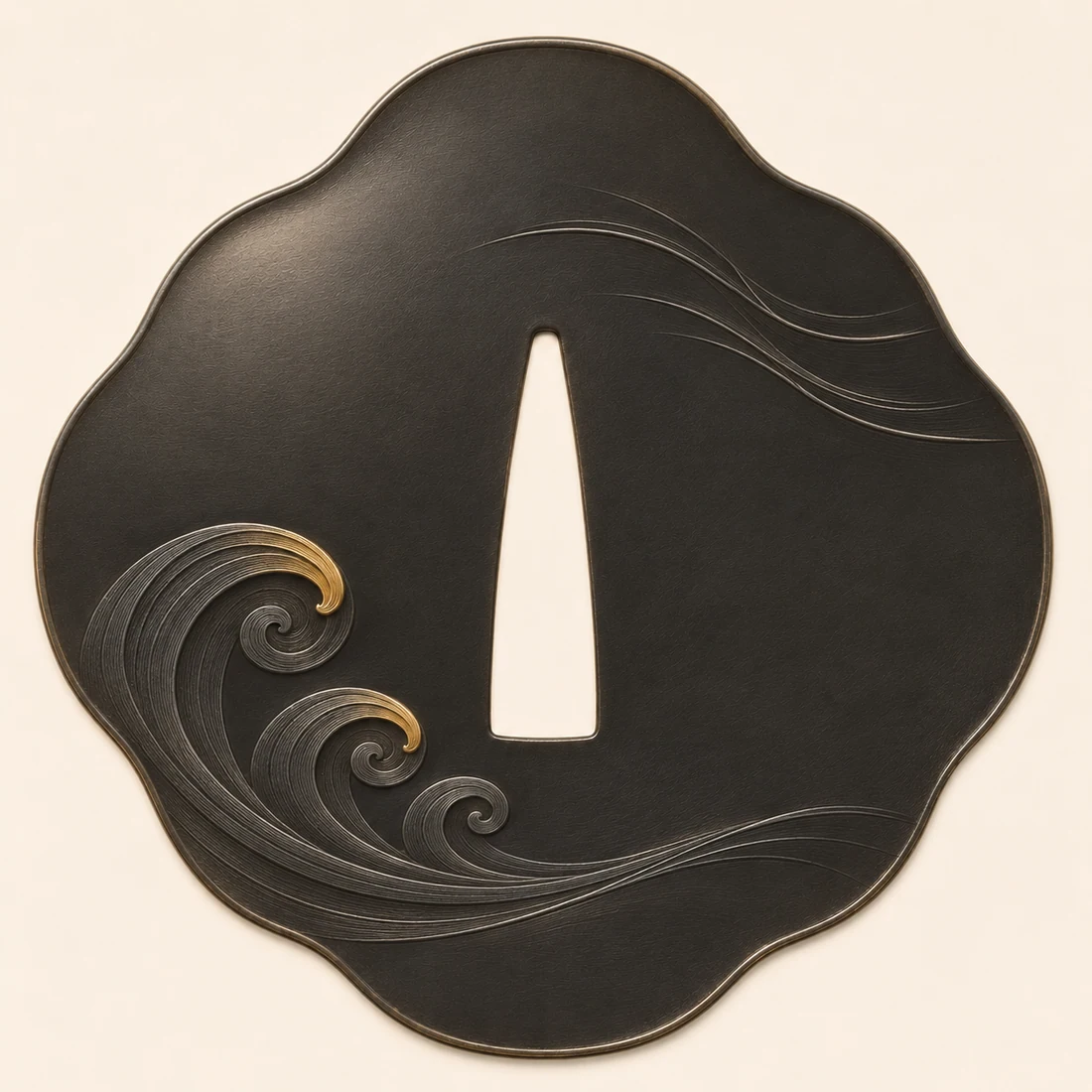
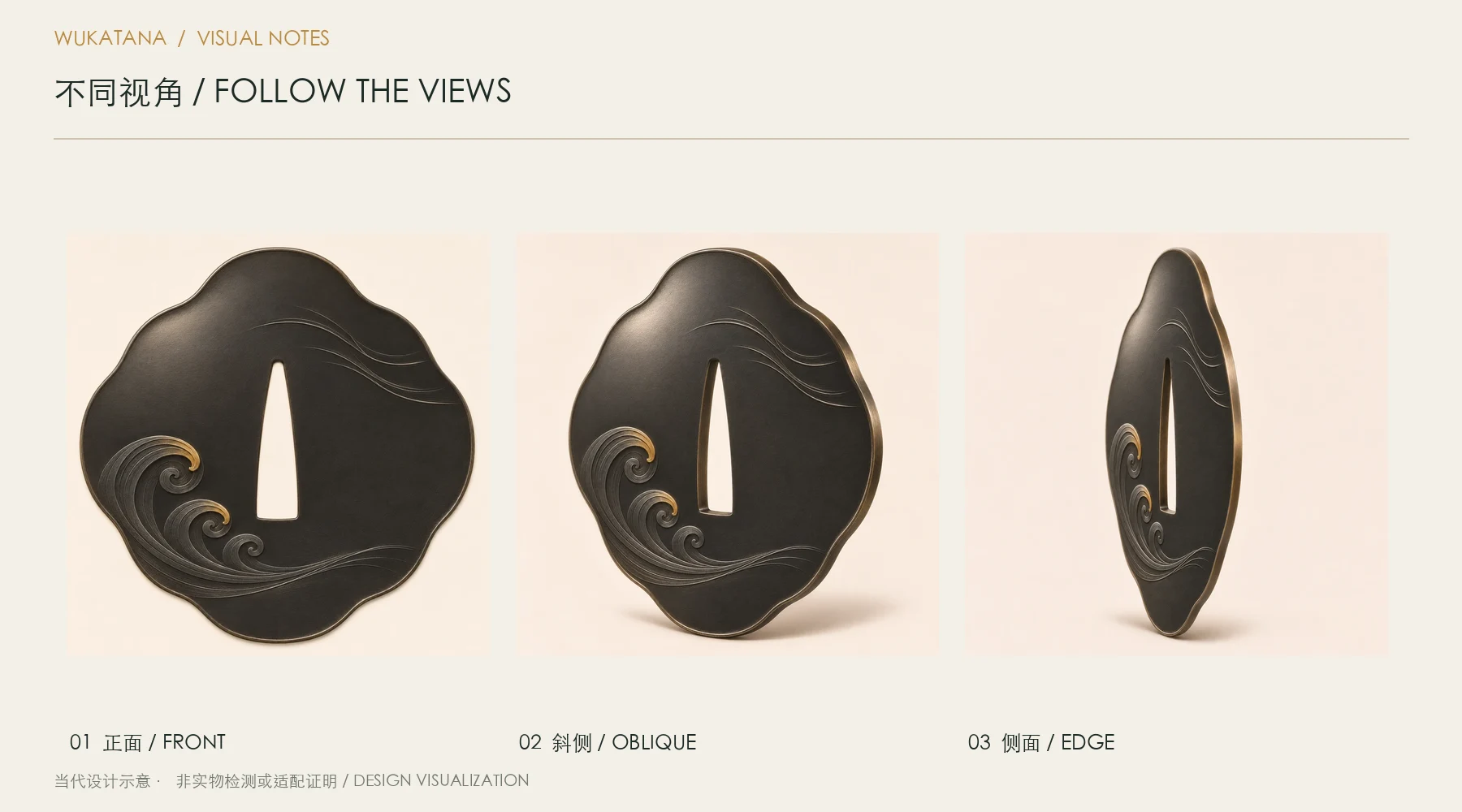
Four Ocean Tides · Returning Eddy is cataloged as colored brass, with an organic outline form and fine engraved lines, sculpted relief, restrained color contrast as its decorative approach.
Tides rise and fall; water finds its own form. Four Ocean Tides · Returning Eddy uses colored brass. Three nested eddies gather at the lower left, their ends marked by two warm-brass touches.
Read the ground, raised detail, and rim separately. A brighter area may reflect both its intended surface color and the camera angle. One highlight is insufficient evidence that another metal has been used, so keep the material description tied to the product specification rather than to brightness alone.
Second example: Four Symbols Guardians · Black Tortoise
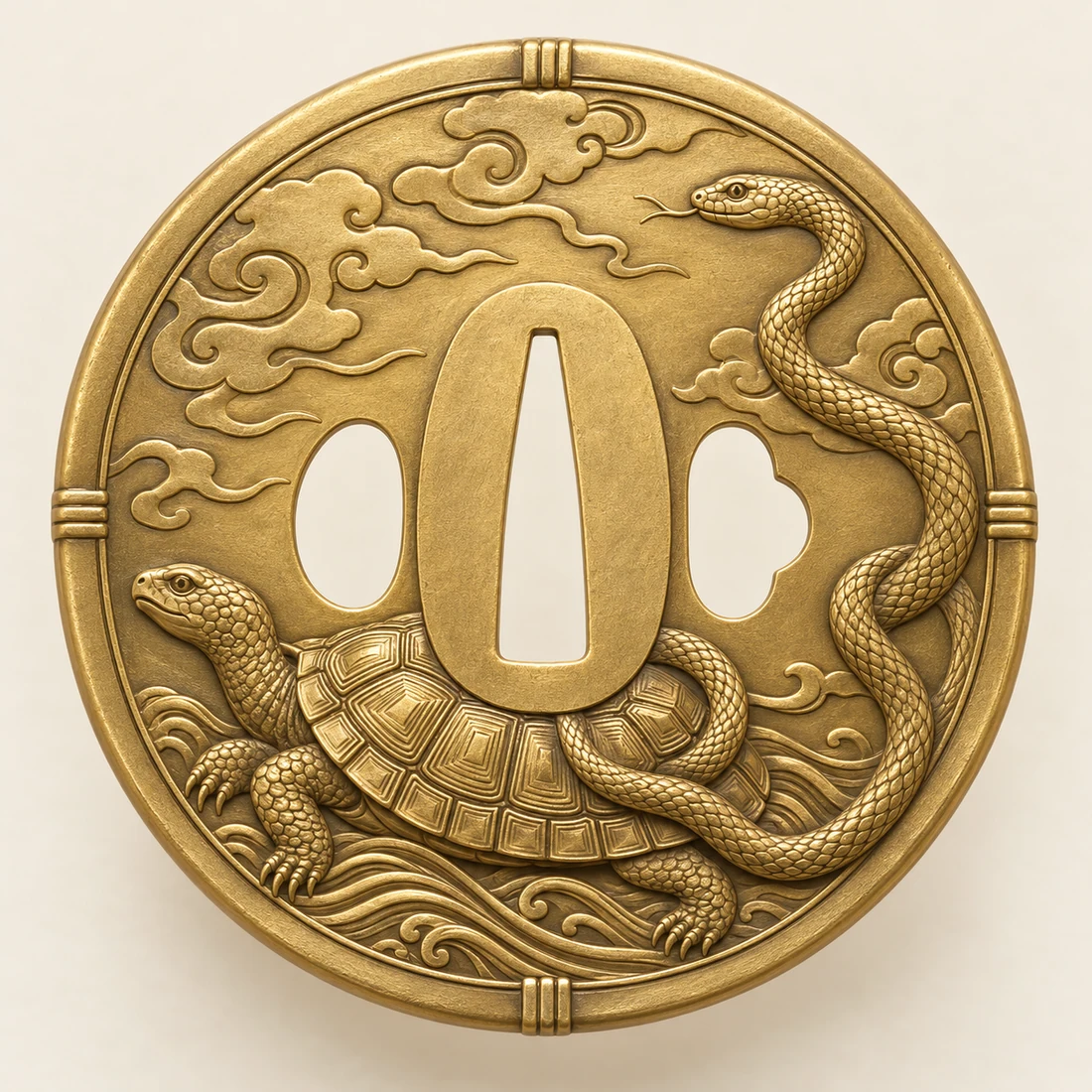
Four Symbols Guardians · Black Tortoise is cataloged as natural brass, with round or oval form and fine engraved lines, sculpted relief as its decorative approach.
Four Symbols Guardians · Black Tortoise interprets its symbolic creature in natural brass. A tortoise occupies the lower left, with a slender snake winding around its shell and rising along the right rim; clouds and water connect their forms. A circular border and fine line decoration connect the collection, with natural highlights bringing out the relief in warm golden-yellow brass.
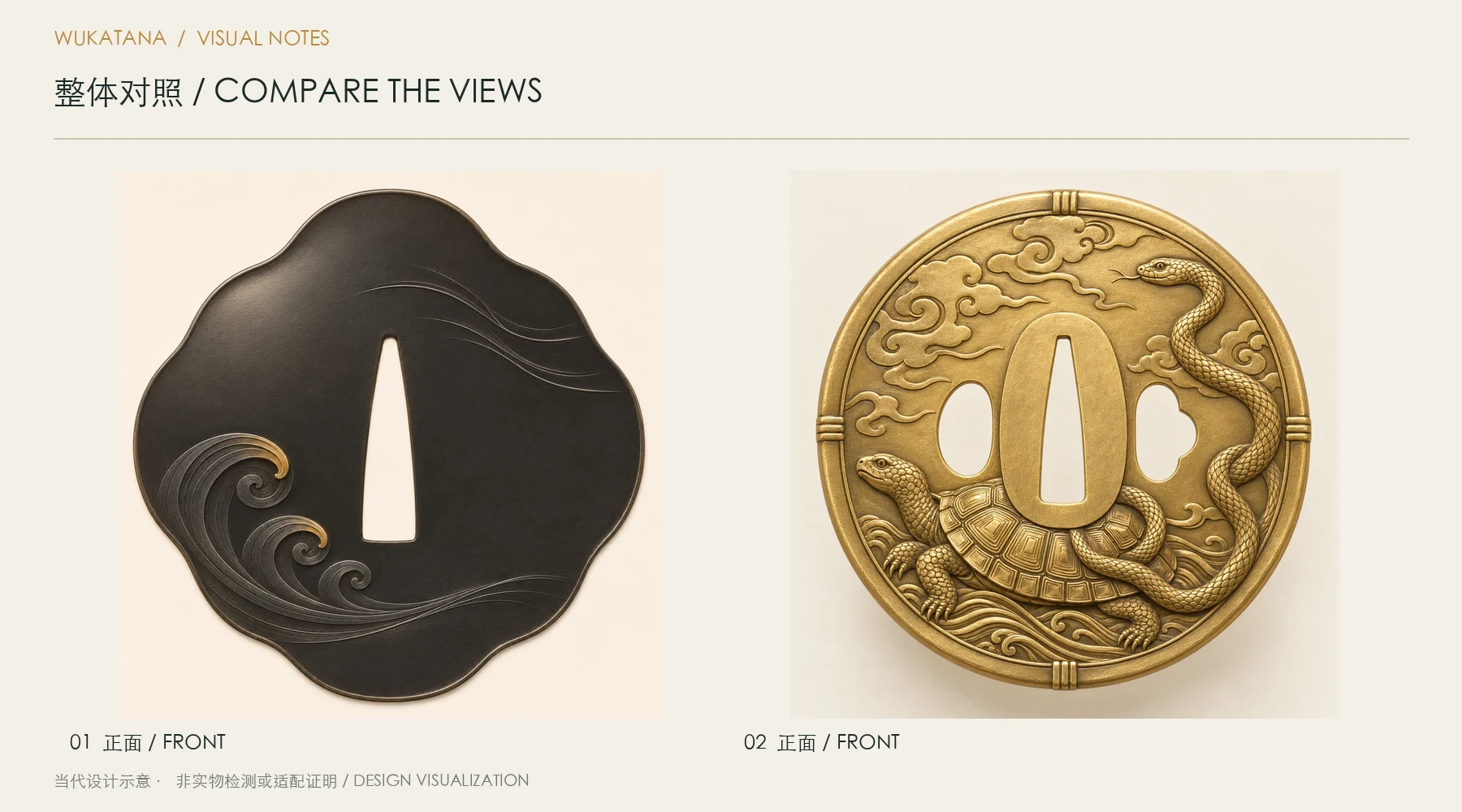
Read Four Symbols Guardians · Black Tortoise on its own terms before comparing it with the first example. Each design retains its cataloged material and composition. If material, outline, and subject change together, record those variables separately rather than attributing every visual difference to one factor.
Turn looking into a repeatable method
Locate the longest group of water lines, then see whether the wave heads reinforce their direction or deliberately push against it.
Use the front view to record the dominant color, an oblique view to follow changing highlights, and the edge view to understand the rim. In this catalog, white copper is presented with clean silver-white color and gentle gray depth. Charcoal-colored brass should retain a readable dark form, with accents doing only the emphasis the composition needs.
Keep one clear outcome
For wave direction and turning currents, make the record specific to the two designs: mark the first detail you notice in Four Ocean Tides · Returning Eddy, then identify a corresponding observation area in Four Symbols Guardians · Black Tortoise. Describe the shapes and relationships first, followed by the preference or question that needs to be resolved.
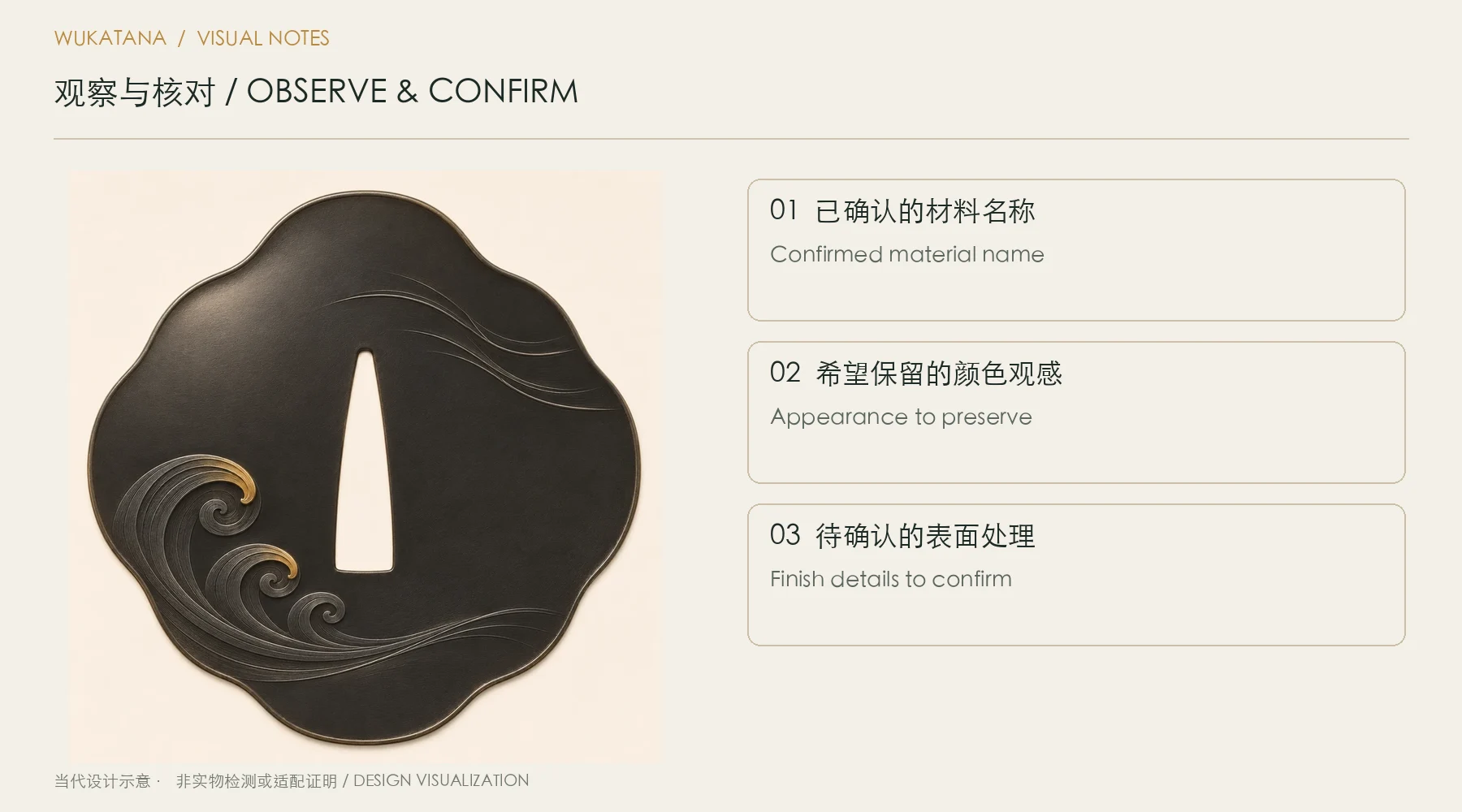
Keep three separate notes: the confirmed material name, the color appearance you want to preserve, and any finish details still awaiting confirmation. Leaving unverified processes as questions makes later communication more accurate and prevents an observation about appearance from turning into an unsupported technical claim.