Polygonal Edges And Soft Curves: Considerations for Your Mounting
To examine polygonal edges and soft curves, begin with specific designs rather than a general style label. This article focuses on selection, using Five Elements in Motion · Wood Growth and Dragon and Phoenix Harmony · Unfurling Phoenix to distinguish visible clues from the information that needs a separate check.
Define the question for this comparison
Begin by separating the appearance you want from the information that needs confirmation. The first determines the visual qualities to preserve; the second determines whether a preference can become a specific configuration. A comparison is useful when it ends with a clear reason for keeping or rejecting an option, rather than another collection of attractive photographs.
Polygonal edges can establish a clear direction, while a rounded rim offers a more continuous viewing path. In either case, the interior composition needs to respond to its boundary rather than treat it as a passive crop.
First example: Five Elements in Motion · Wood Growth
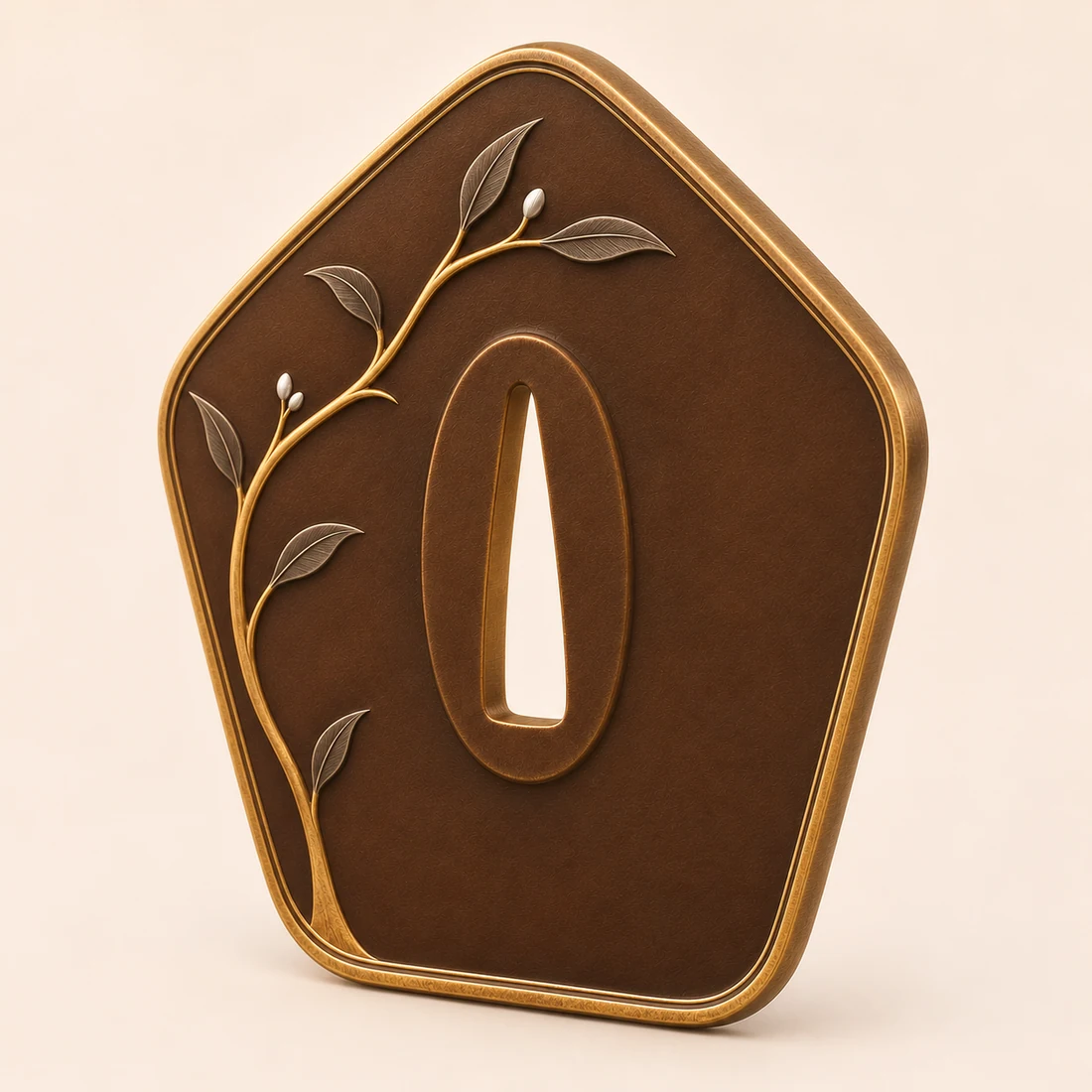
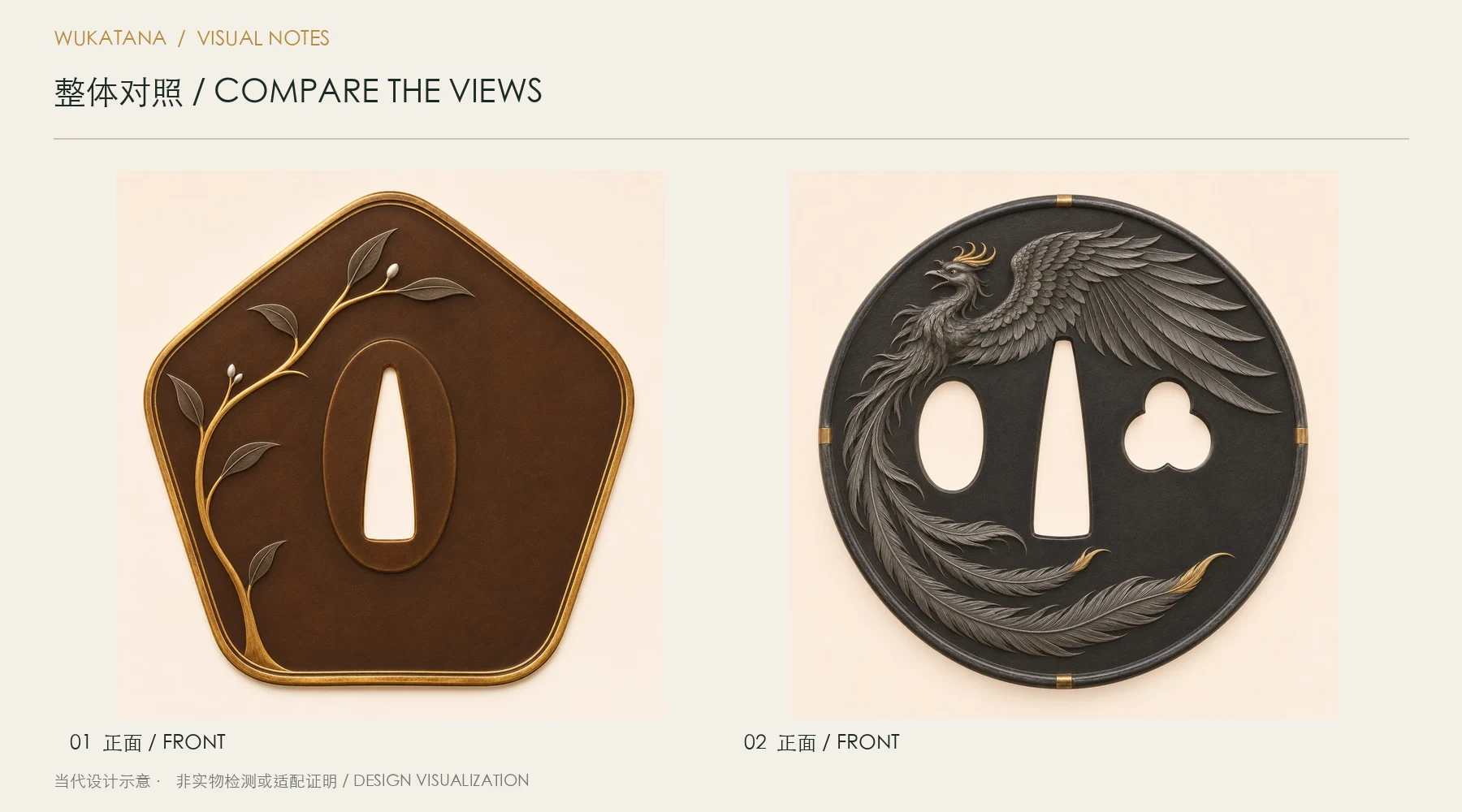
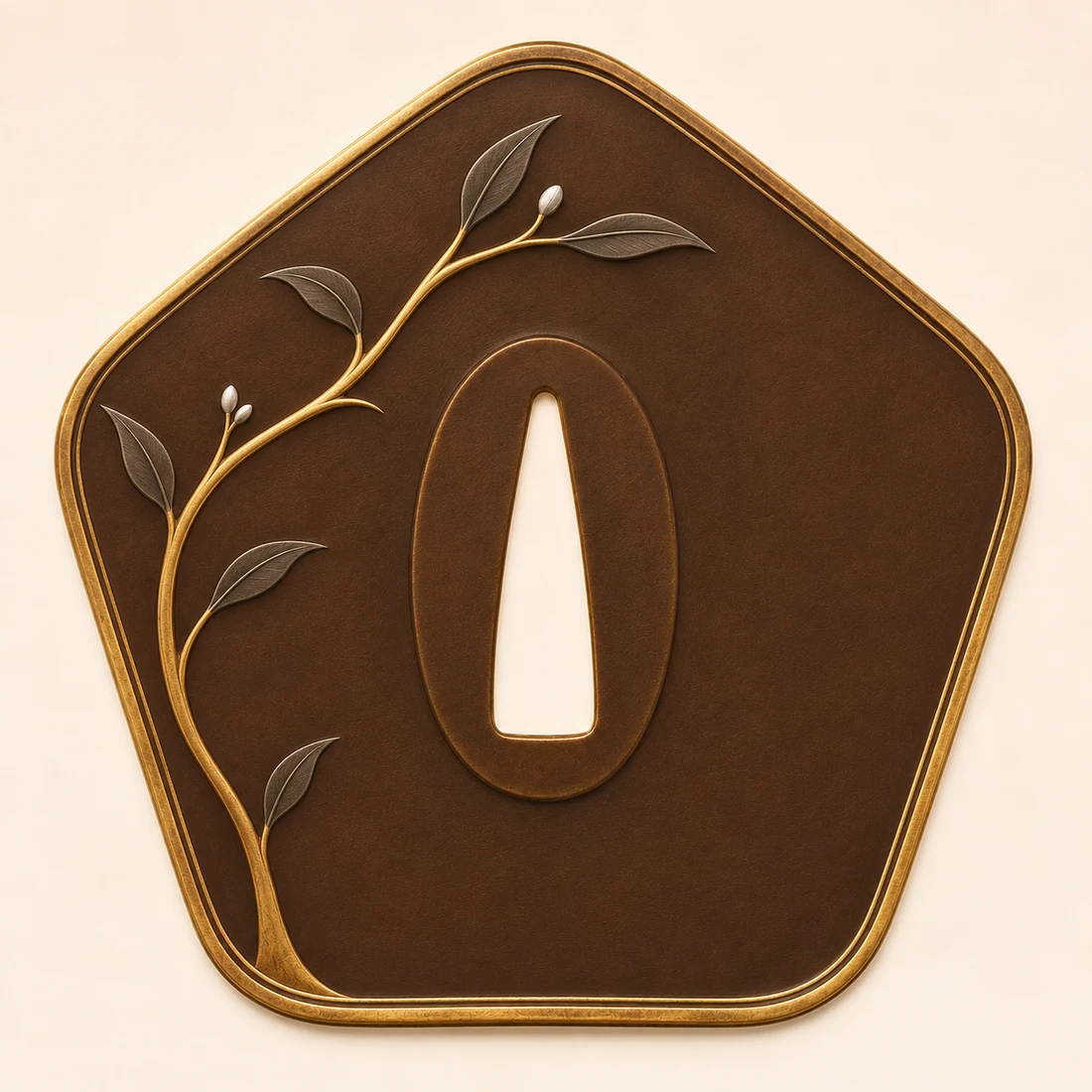
Five Elements in Motion · Wood Growth is cataloged as colored brass, with an original geometric outline form and fine engraved lines, sculpted relief, restrained color contrast as its decorative approach.
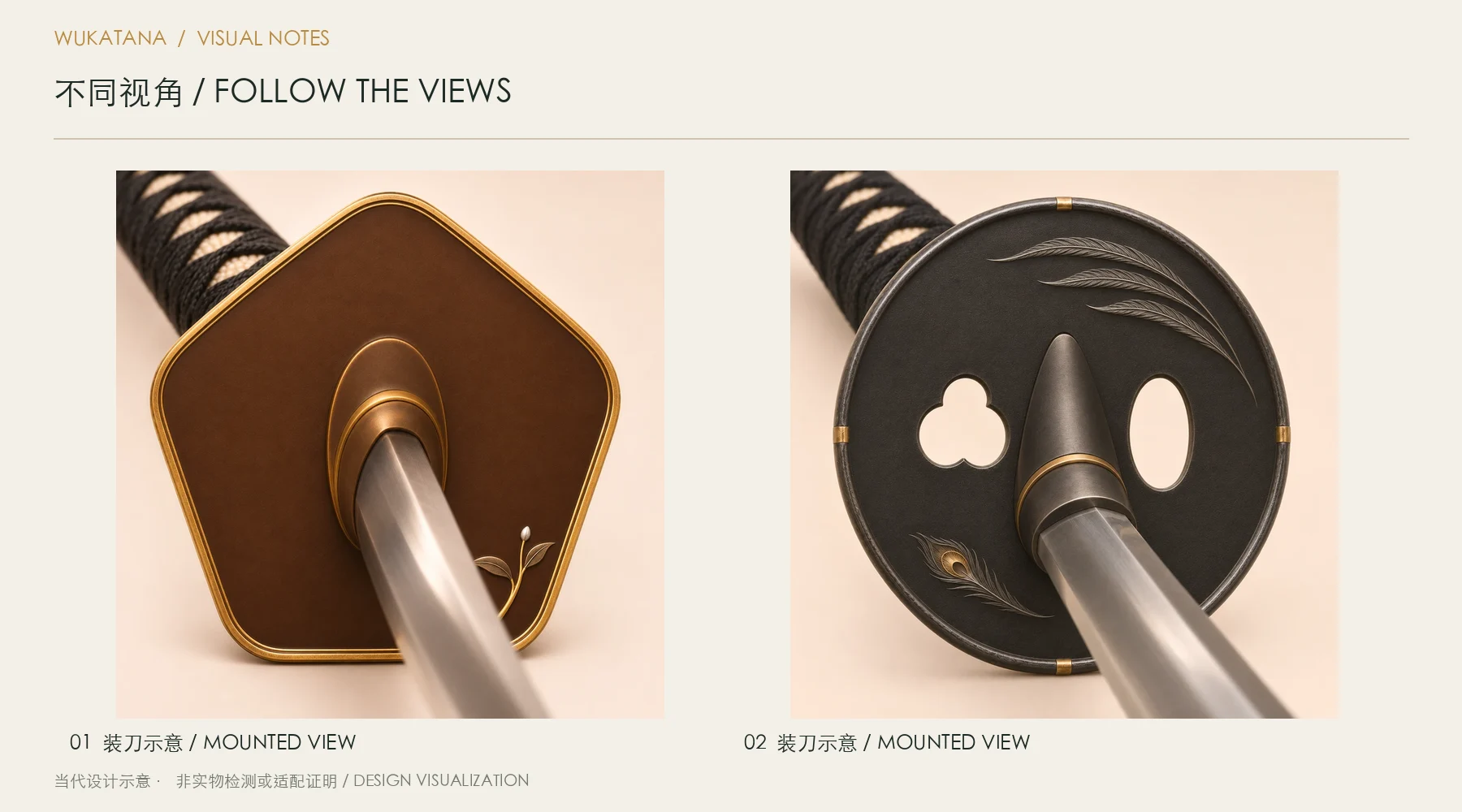
Five rhythms of ornament follow the edge. Five Elements in Motion · Wood Growth uses colored brass. An abstract new branch grows along the left rim, with slender leaves and two pale bud tips reaching upward.
Read the overall composition before the detail. As a candidate, this design should stand for one quality you most want to retain. Listing every attractive feature makes it harder to decide what matters when another option offers a different balance.
Second example: Dragon and Phoenix Harmony · Unfurling Phoenix
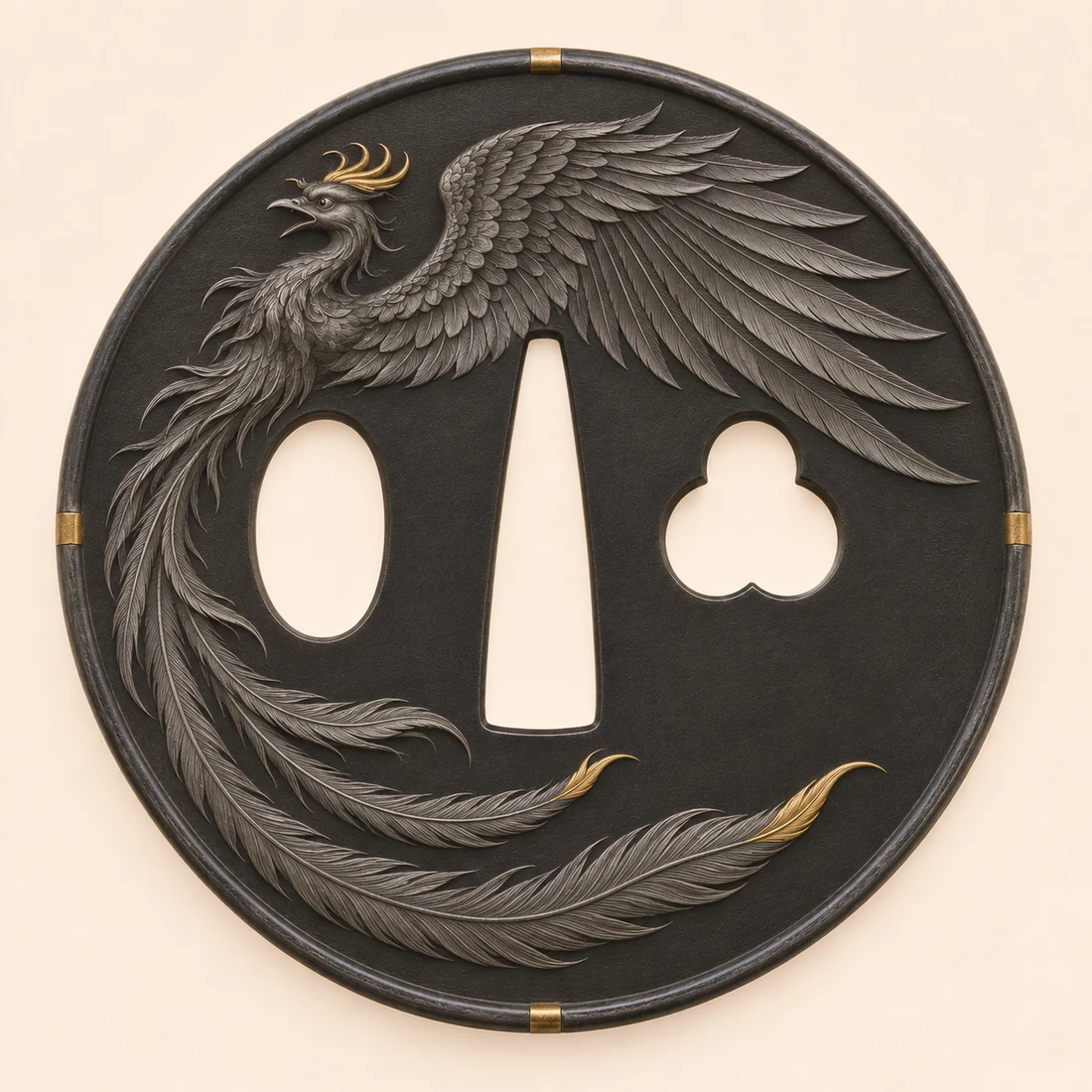
Dragon and Phoenix Harmony · Unfurling Phoenix is cataloged as colored brass, with round or oval form and fine engraved lines, sculpted relief, restrained color contrast as its decorative approach.
A dragon turns and a phoenix opens its wings; their motifs answer one another. Dragon and Phoenix Harmony · Unfurling Phoenix uses colored brass. The phoenix holds its head at the upper left and opens a wing toward the upper right.
Read Dragon and Phoenix Harmony · Unfurling Phoenix on its own terms before comparing it with the first example. Each design retains its cataloged material and composition. If material, outline, and subject change together, record those variables separately rather than attributing every visual difference to one factor.
Turn looking into a repeatable method
Find three changes of direction in the outline and check whether the main motif pauses, turns, or leaves space at those points.
Use images at a similar displayed height and, where possible, comparable lighting. Make three passes: first read only the outline; next record where attention settles; finally return to a mounted view and check whether that focal quality remains. Keeping those passes separate makes the reason for a preference easier to explain.
Keep one clear outcome
For polygonal edges and soft curves, make the record specific to the two designs: mark the first detail you notice in Five Elements in Motion · Wood Growth, then identify a corresponding observation area in Dragon and Phoenix Harmony · Unfurling Phoenix. Describe the shapes and relationships first, followed by the preference or question that needs to be resolved.
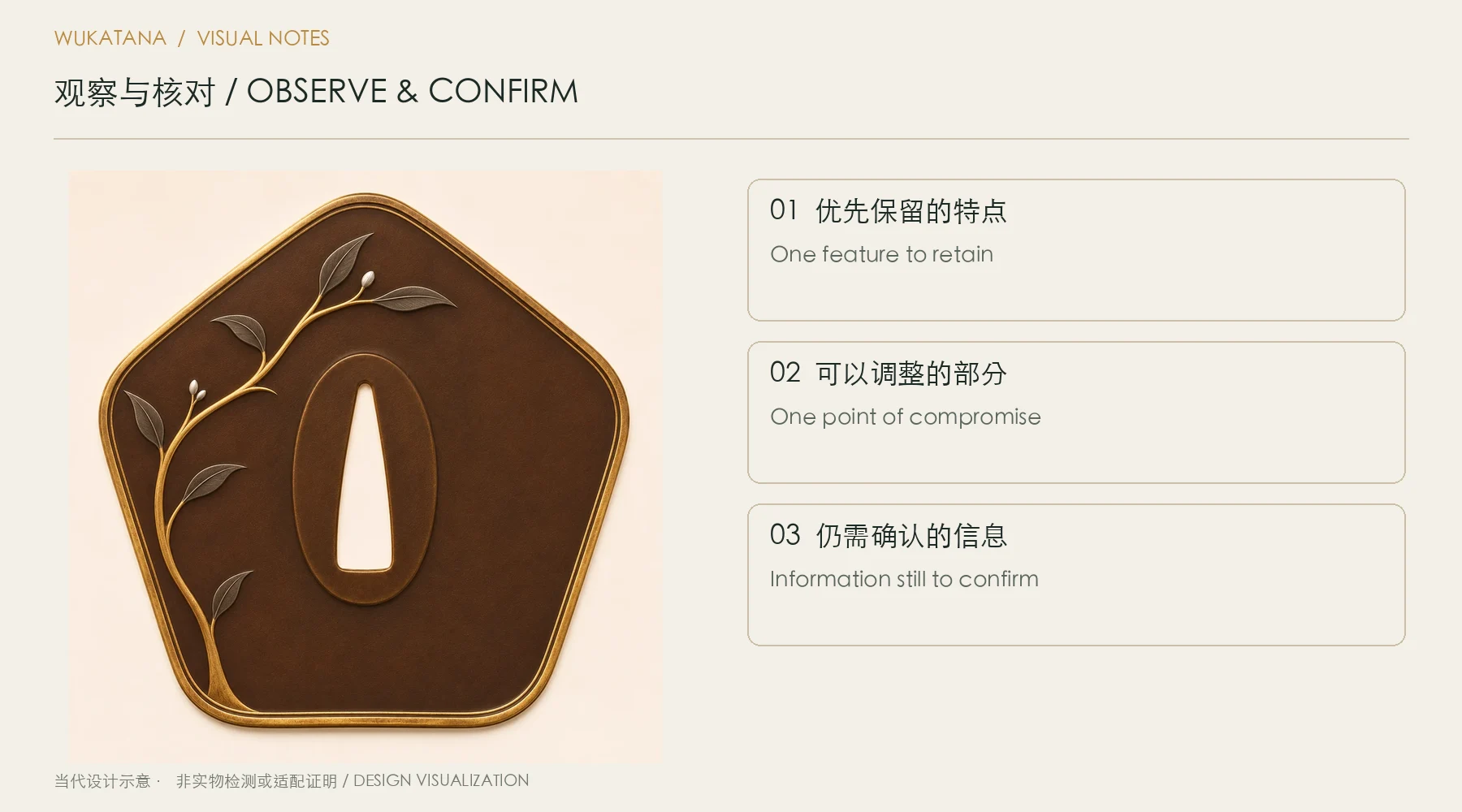
End with one priority and one point on which you can compromise. You might prioritize a clear main motif while accepting a different decorative density. That decision is more useful than calling one option “more premium,” because it can be checked against the actual design and discussed without relying on a shared impression.