Documenting the Details of Light Rims And Visually Heavy Rims
To examine light rims and visually heavy rims, begin with specific designs rather than a general style label. This article focuses on collection documentation, using Two Scholars Rocks · Standing Peak and Two Scholars Rocks · Reclining Rock to distinguish visible clues from the information that needs a separate check.
Define the question for this comparison
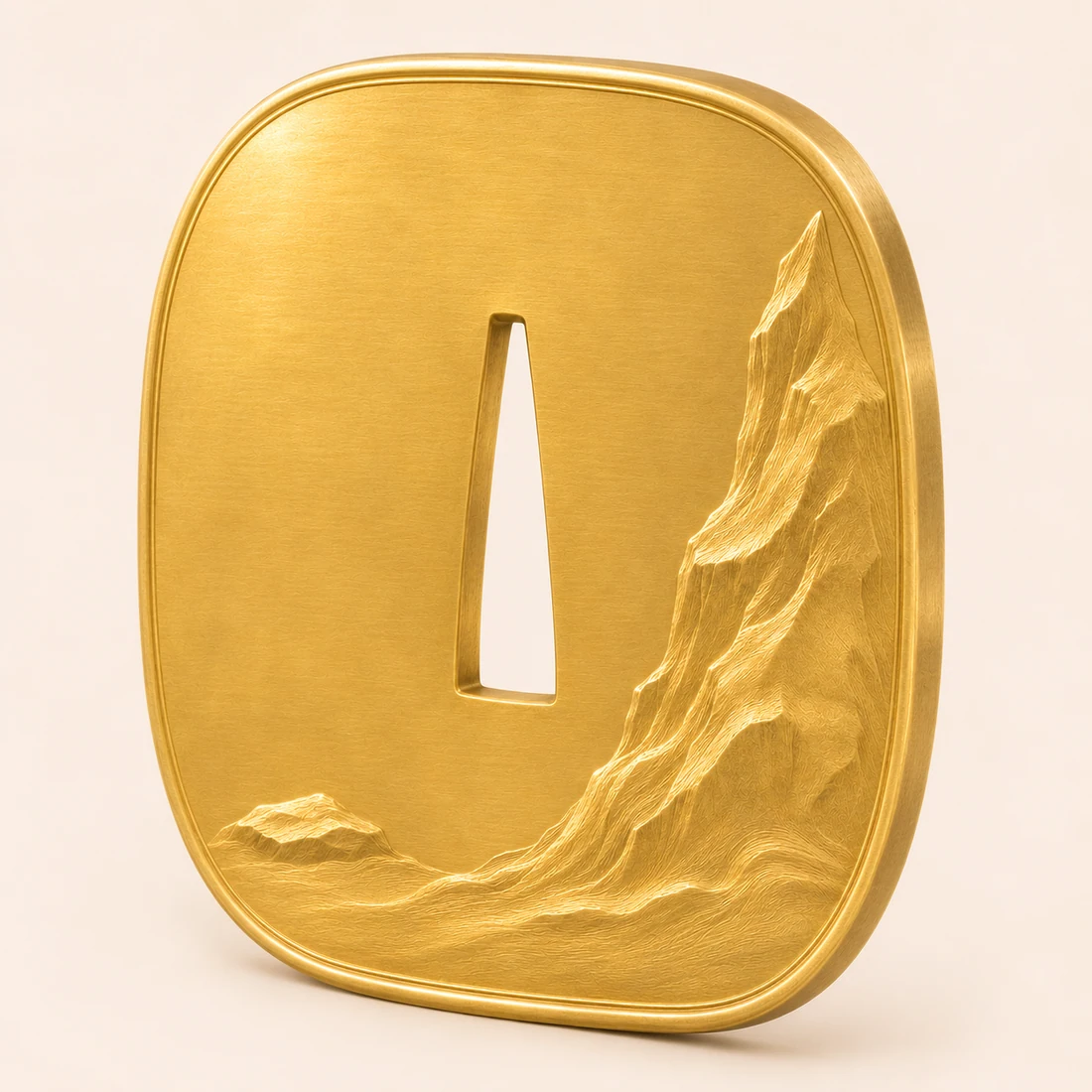
A collection record should make it possible to look clearly at the same object again later. Consistent angles, configuration notes, and original image files help distinguish a photographic difference, a changed mounting, and a surface change that needs further discussion.
The visual weight of a rim changes how enclosed a guard feels. A broad rim in a front view does not necessarily mean a thicker object; its visible width and its edge thickness need separate records.
First example: Two Scholars Rocks · Standing Peak
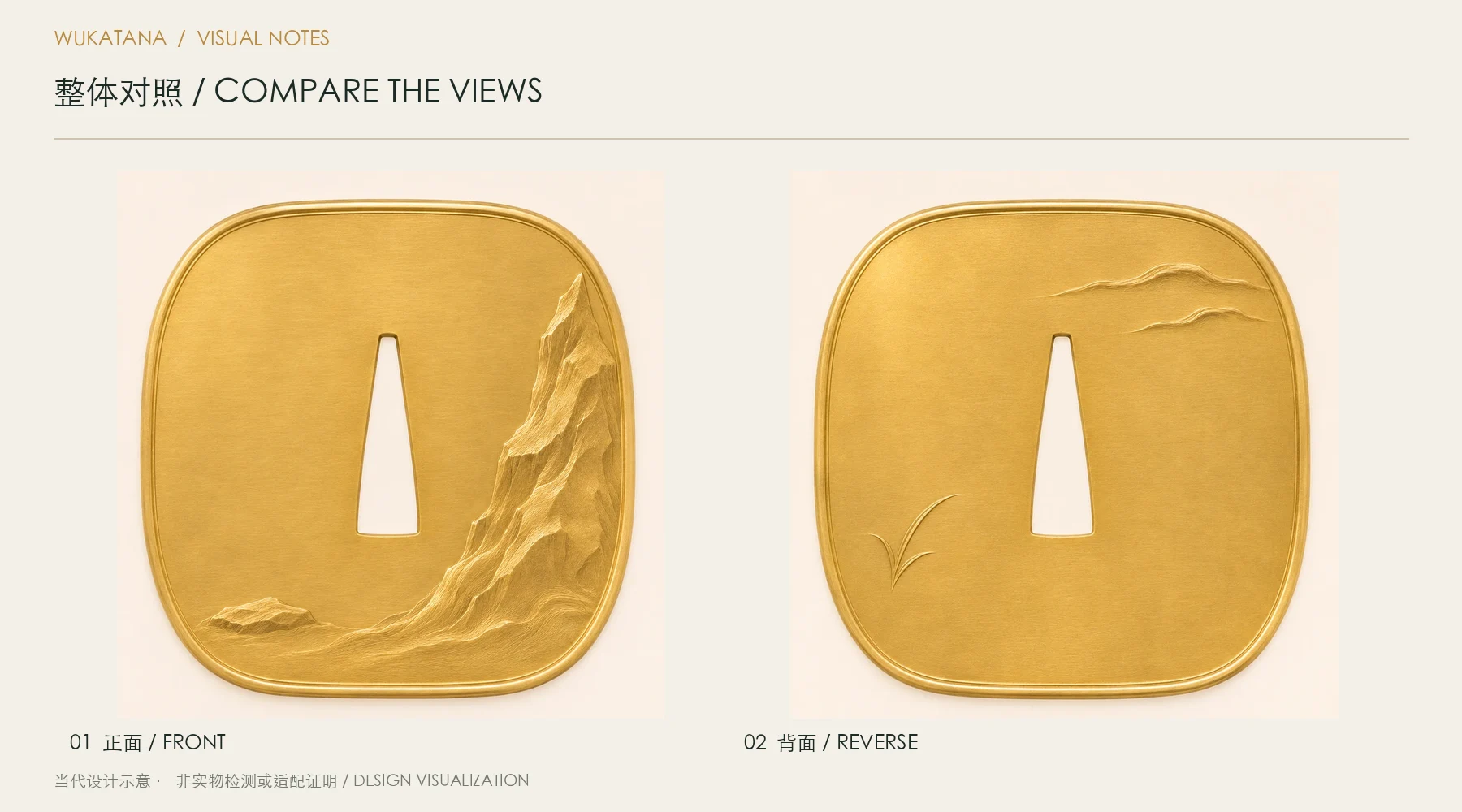
Two Scholars Rocks · Standing Peak is cataloged as natural brass, with rounded square or polygonal form and fine engraved lines, sculpted relief as its decorative approach.
Rocks lie or rise; open space gives each a different setting. Two Scholars Rocks · Standing Peak uses natural brass. A slender rock rises along the right rim, with channels and angular ridges gathering toward its peak.
Use the front of this design as its identification view, with separate reverse, edge, and overall-mounting records. Keep photographs of different objects distinct so a difference between two designs is not mistaken for a change that happened to one object over time.
Second example: Two Scholars Rocks · Reclining Rock
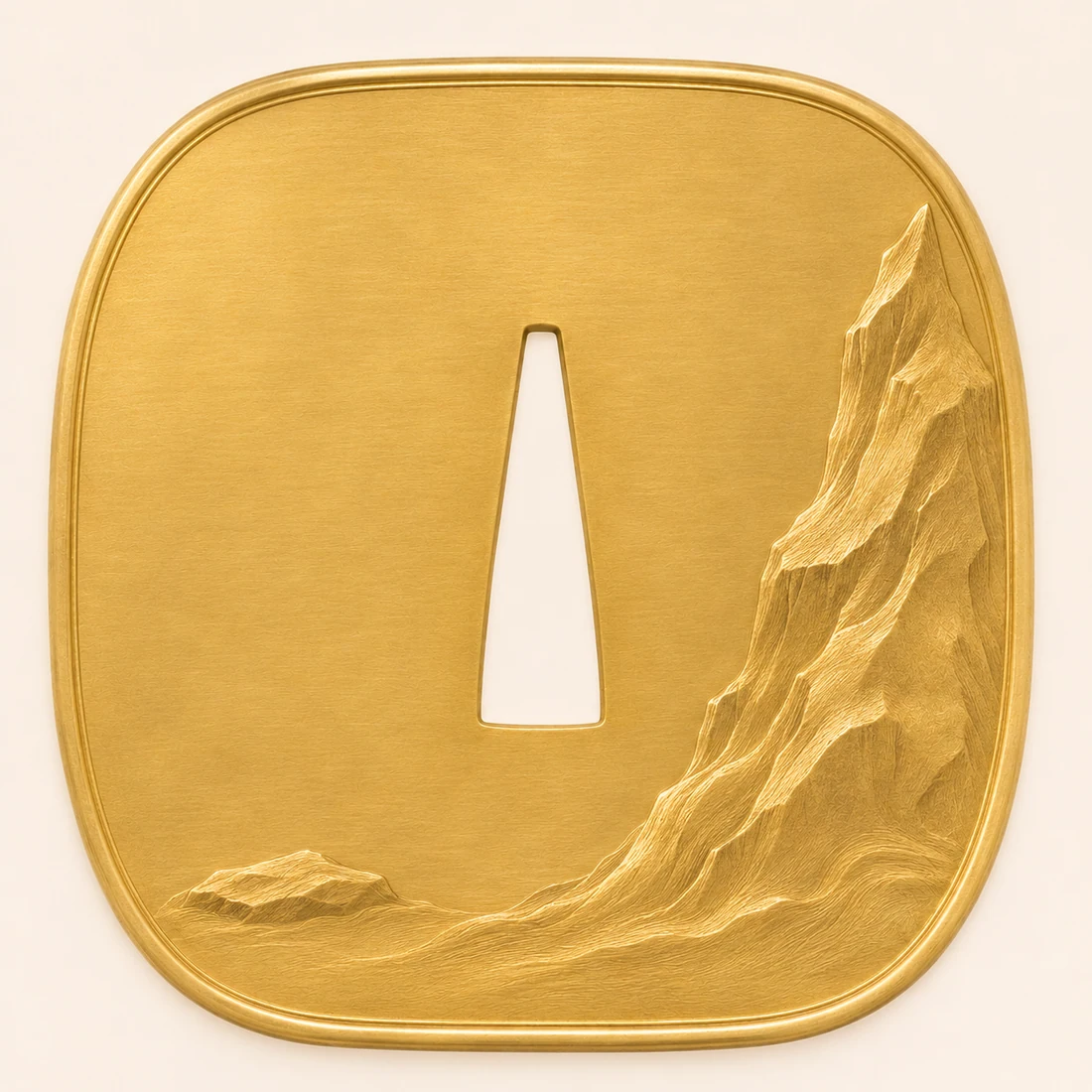
Two Scholars Rocks · Reclining Rock is cataloged as natural brass, with rounded square or polygonal form and fine engraved lines, sculpted relief as its decorative approach.
Rocks lie or rise; open space gives each a different setting. Two Scholars Rocks · Reclining Rock uses natural brass. A broad low garden rock spans the lower field, its shallow hollows meeting fine grain.
Read Two Scholars Rocks · Reclining Rock on its own terms before comparing it with the first example. Each design retains its cataloged material and composition. If material, outline, and subject change together, record those variables separately rather than attributing every visual difference to one factor.
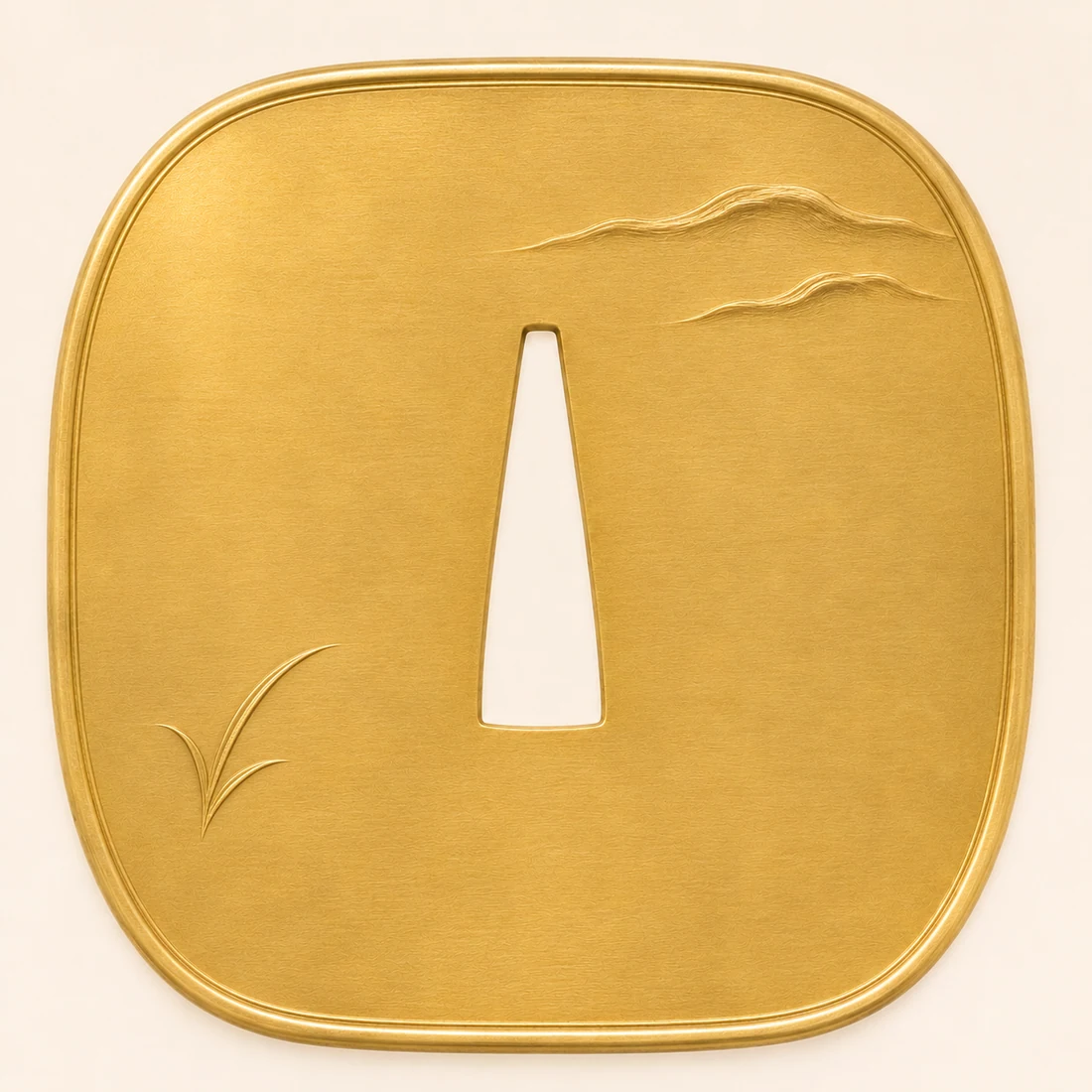
Turn looking into a repeatable method
Compare front-view rim width separately from the edge view, and use confirmed measurements for any dimensional conclusion.
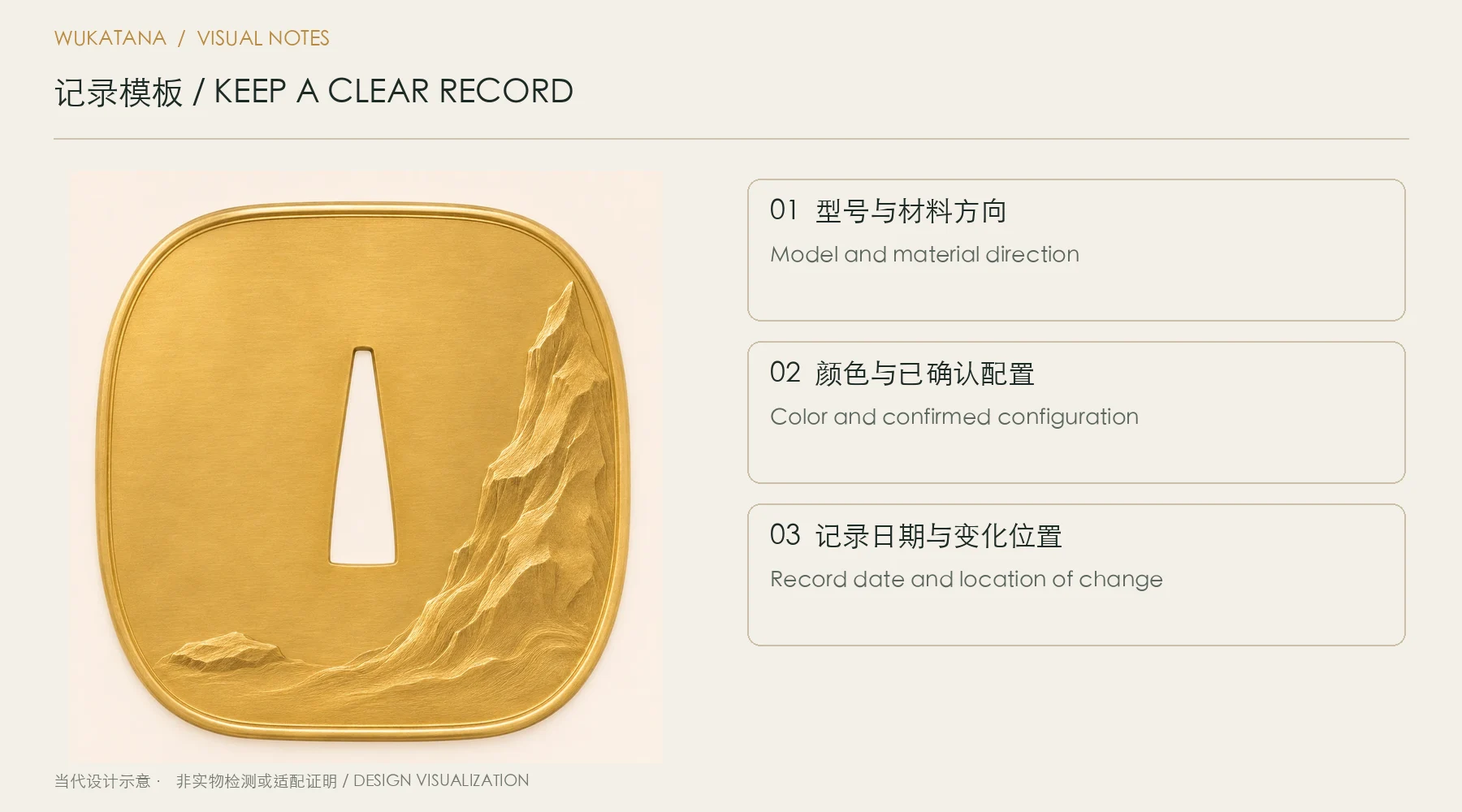
Keep the object stable and repeat the photograph with a similar background, light, and camera distance. Record the date, model, material name, and confirmed configuration. If color or sheen appears to change, photograph its location first and confirm the appropriate care for that particular surface treatment.
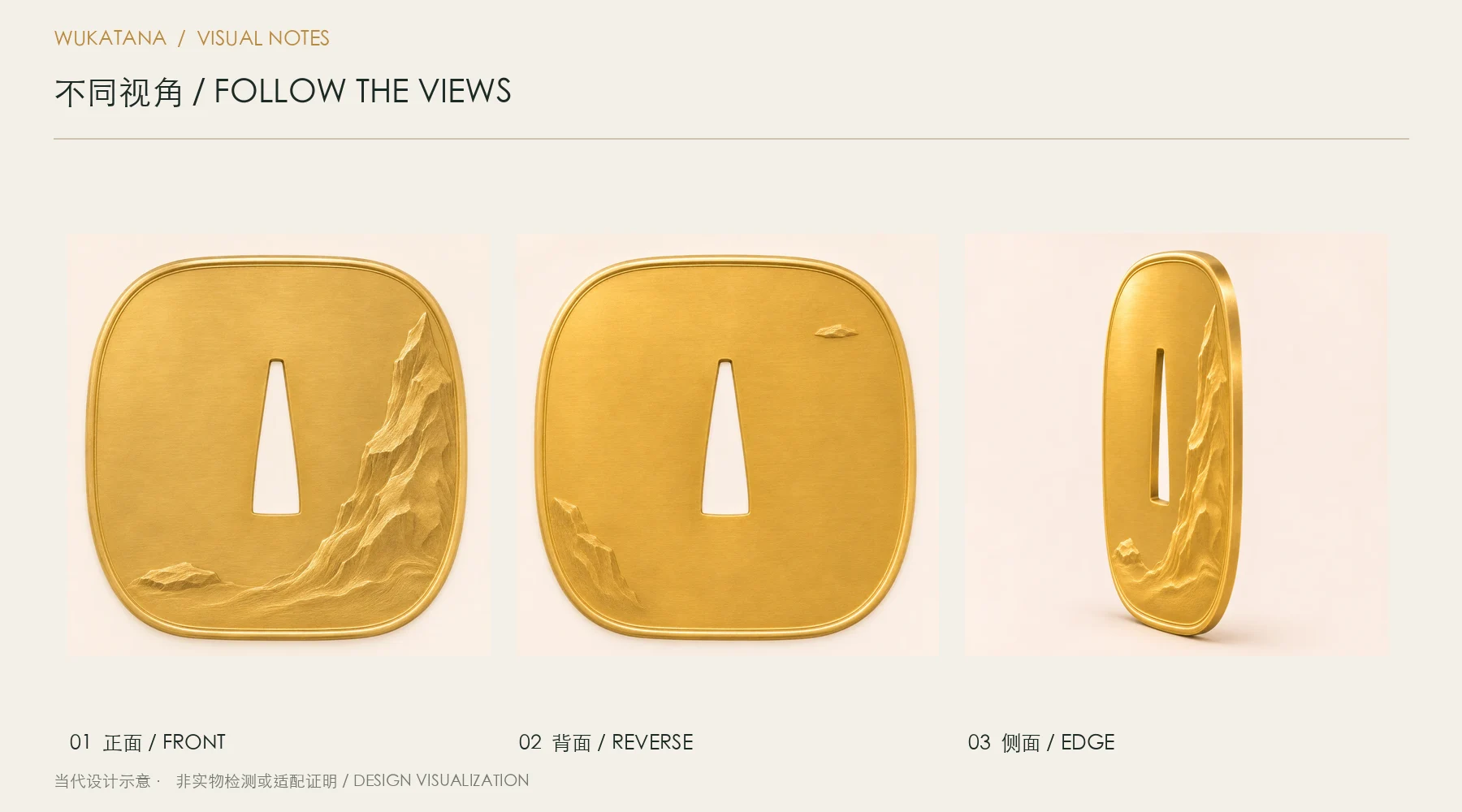
Keep one clear outcome
For light rims and visually heavy rims, make the record specific to the two designs: mark the first detail you notice in Two Scholars Rocks · Standing Peak, then identify a corresponding observation area in Two Scholars Rocks · Reclining Rock. Describe the shapes and relationships first, followed by the preference or question that needs to be resolved.
Keep an unretouched baseline image and a short note with the archive. Do not use abrasive polishing, strong cleaners, or metal brighteners on colored copper fittings simply to make them resemble a brighter photograph. Follow the care instructions for the particular item and finish rather than treating every metal surface in the same way.